Why AI agents are becoming a control problem for banks
/Andrew George of 3forge argues that as agentic AI moves closer to production, banks need to ensure a new interface layer does not weaken entitlements, auditability or governance.
Read MoreAndrew George of 3forge argues that as agentic AI moves closer to production, banks need to ensure a new interface layer does not weaken entitlements, auditability or governance.
Read MoreCarey Ransom of BankTech Ventures argues AI won’t transform banks unless they change how they measure and reward work.
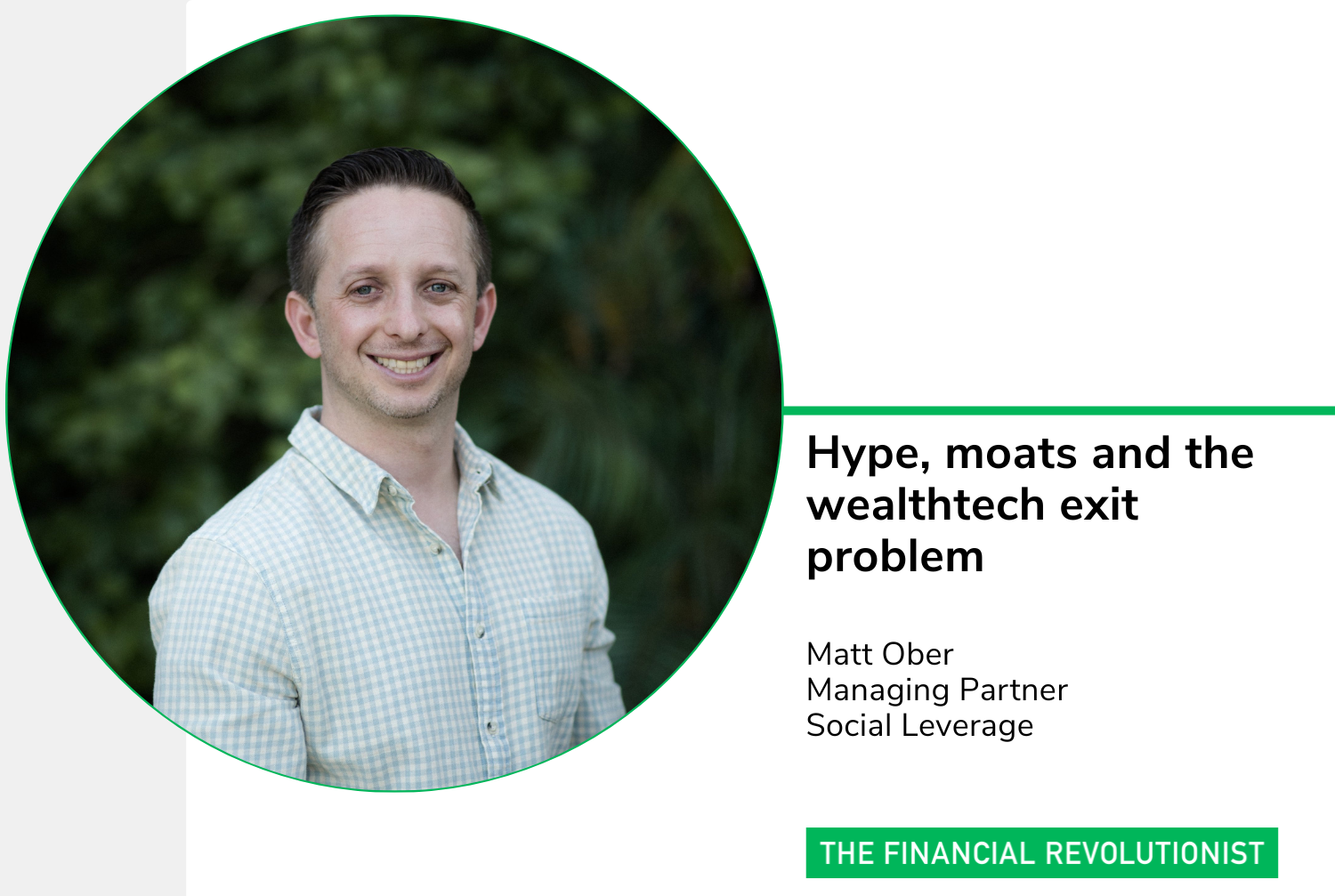
Read MoreMatt Ober of Social Leverage argues that while wealthtech startups are pitching AI operating systems, the exit math points to $200 million to $500 million outcomes, not unicorn valuations.
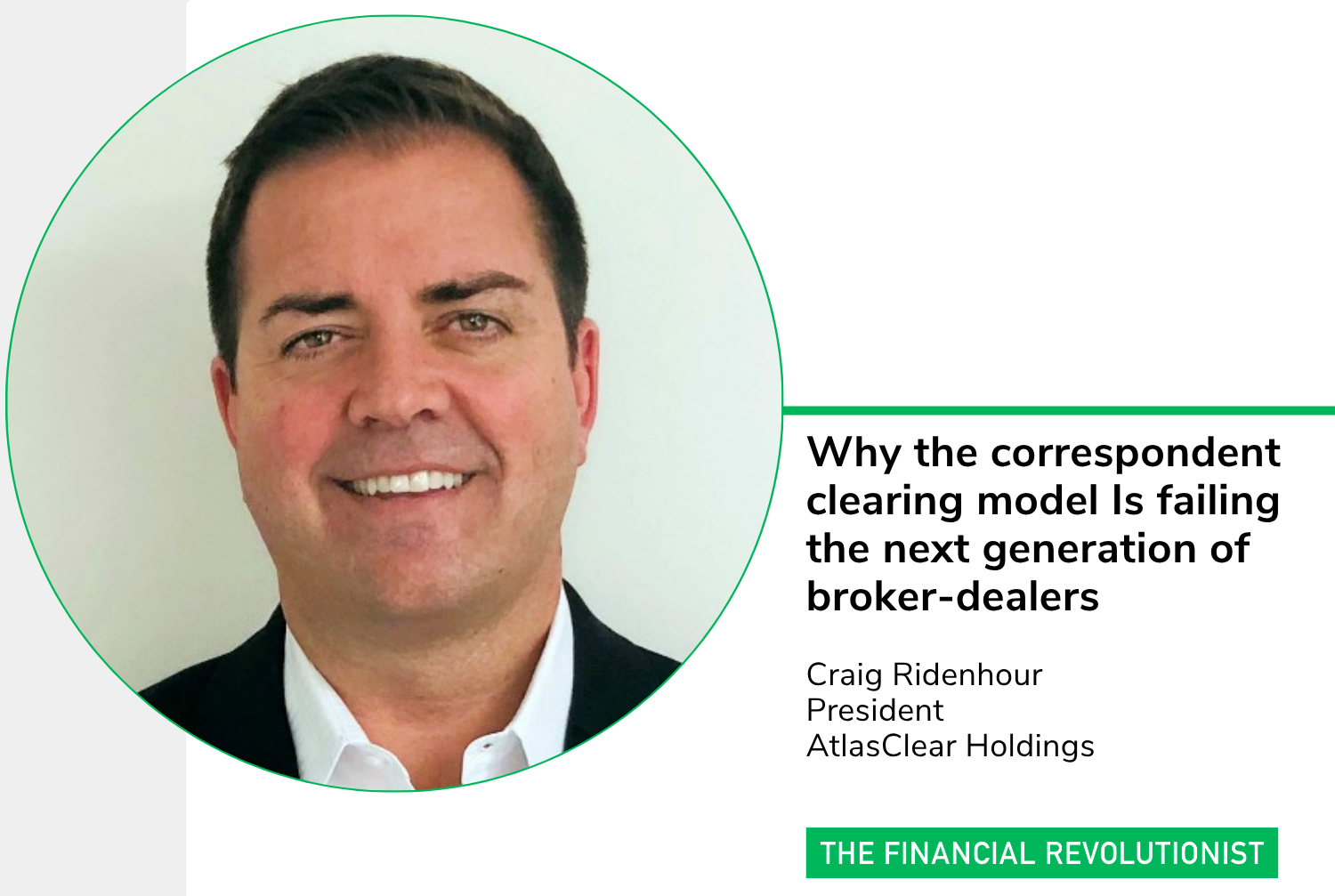
Read MoreCraig Ridenhour of AtlasClear argues outdated clearing infrastructure is capping how broker-dealers scale.
Read MoreThe FR editors break down the findings from a new report on AI-powered fraud and what it reveals about FIs’ readiness gaps.
Read MoreDavid Seider of TheZebra.com explains how insurance pricing is fragmenting along geographic lines.
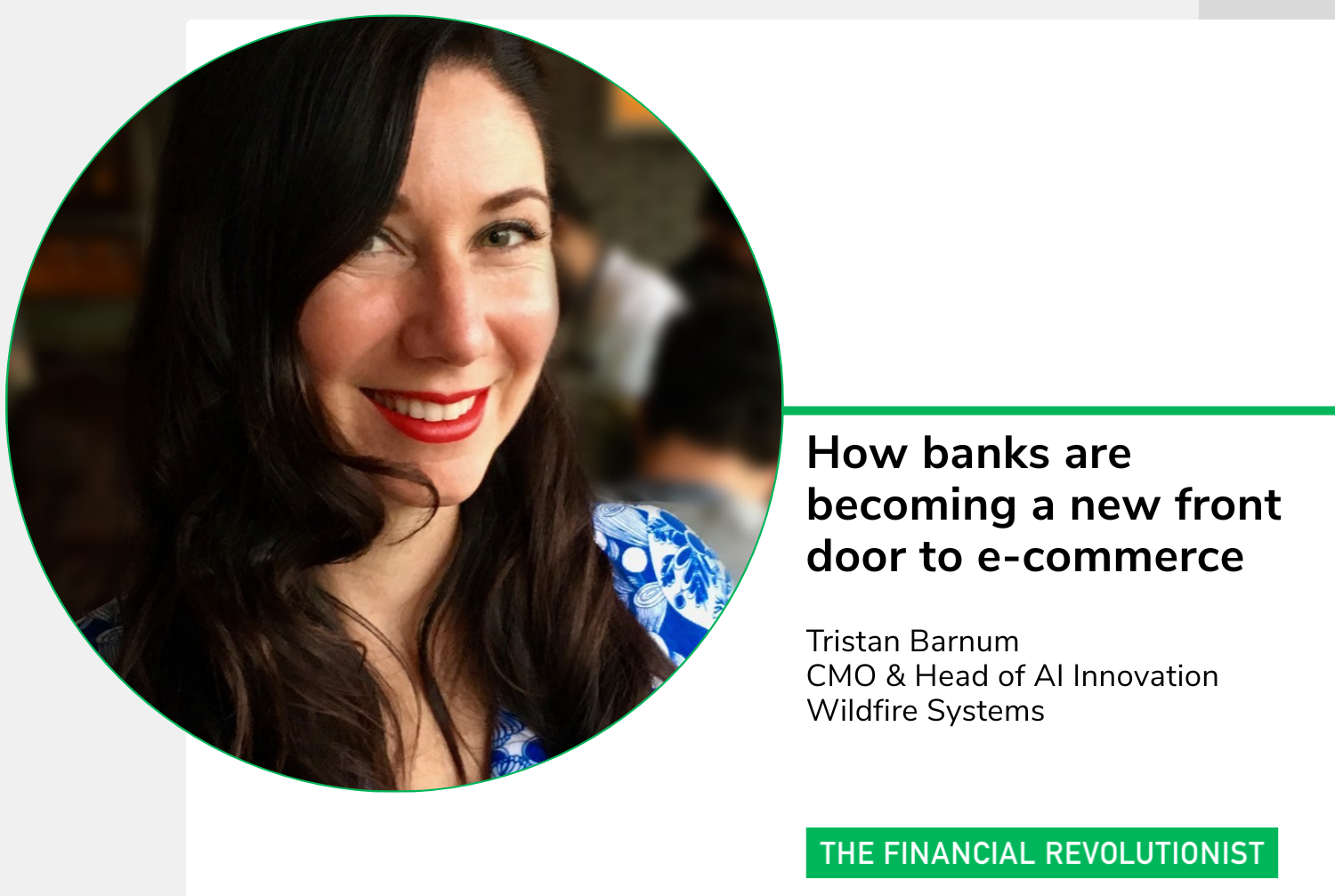
Read MoreTristan Barnum of Wildfire Systems explains how banks are moving into the shopping journey.
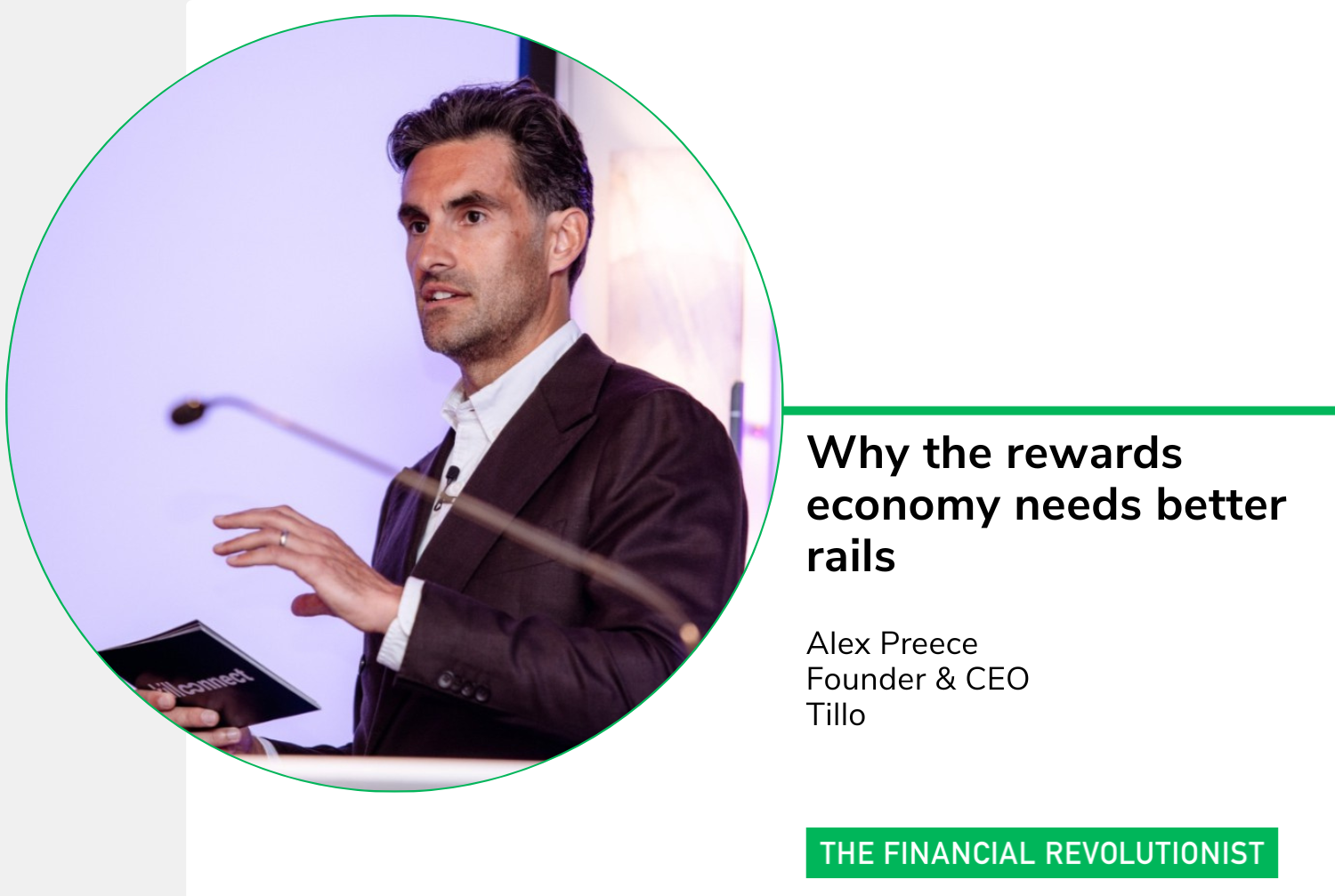
Read MoreAlex Preece of Tillo explains why demand for digital rewards is outpacing the infrastructure behind them.
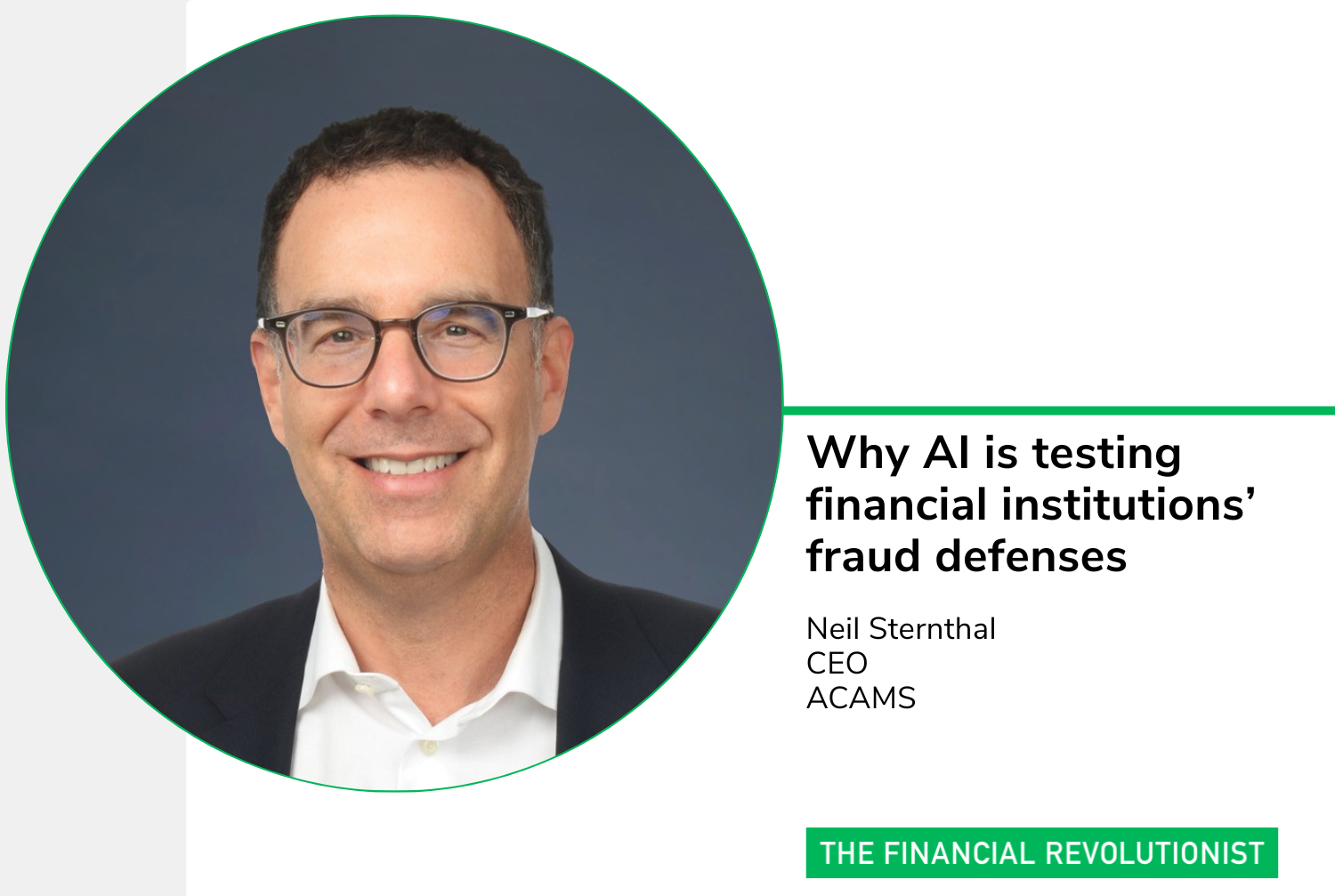
Read MoreThe FR sat down with ACAMS CEO Neil Sternthal to discuss the rise of AI-enabled fraud and how the industry is responding.
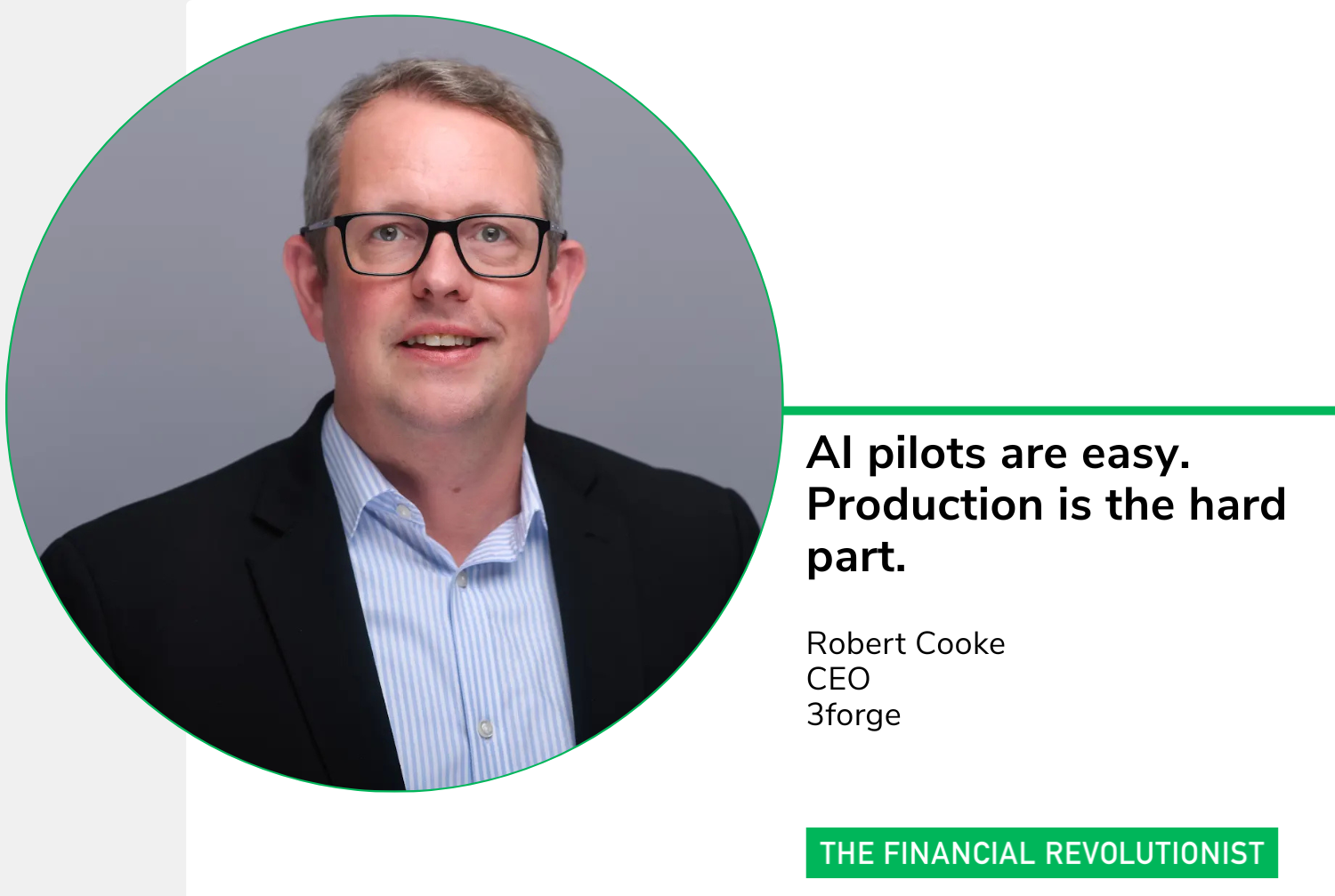
Read MoreRobert Cooke of 3forge explains why banks are rethinking their technology foundations as AI pilots come up against the complexity of existing systems.
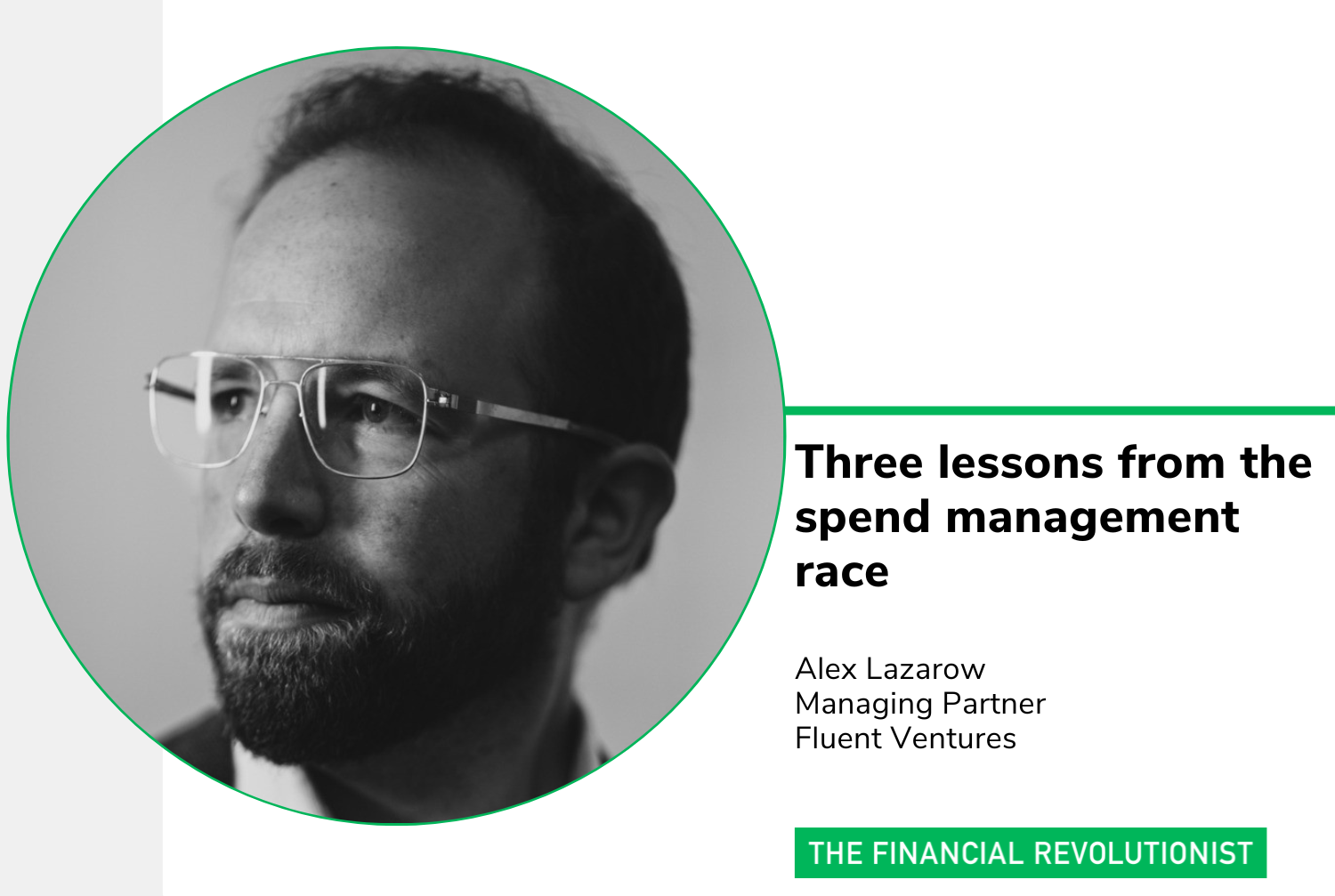
Read MoreAlex Lazarow of Fluent Ventures examines the playbook behind the corporate spend management race and argues that the winners will be those who move beyond cards to control more of a company’s financial workflows.
Read MoreTiffine Wang of Onsen Global argues that the so-called SaaSpocalypse is a repricing, as software shifts from per-seat subscriptions to output that competes with labor.
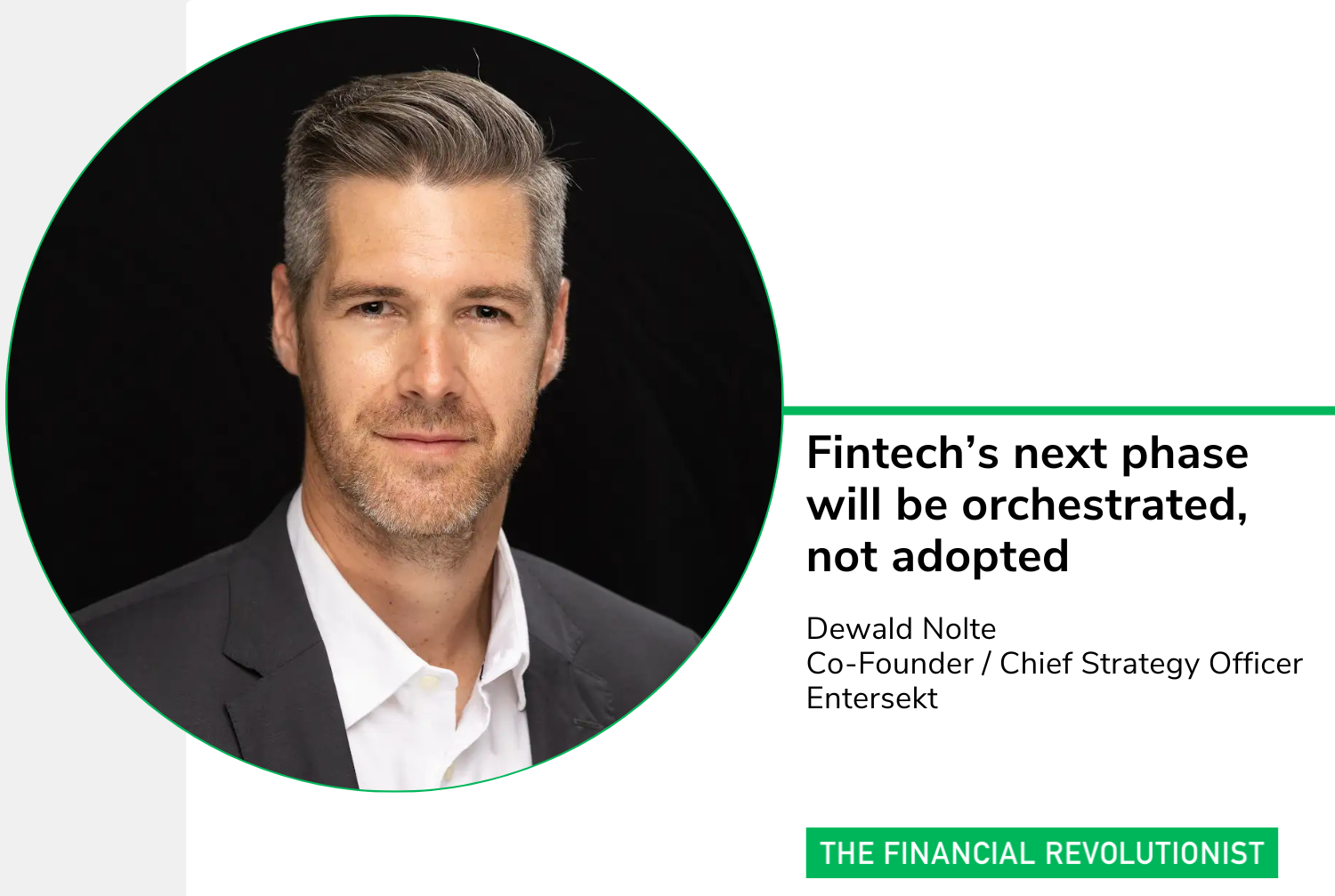
Read MoreDewald Nolte of Entersekt argues that programmable money is becoming the foundation of modern finance, reshaping digital wallets, tokenized deposits and AI agents in fintech’s next phase.
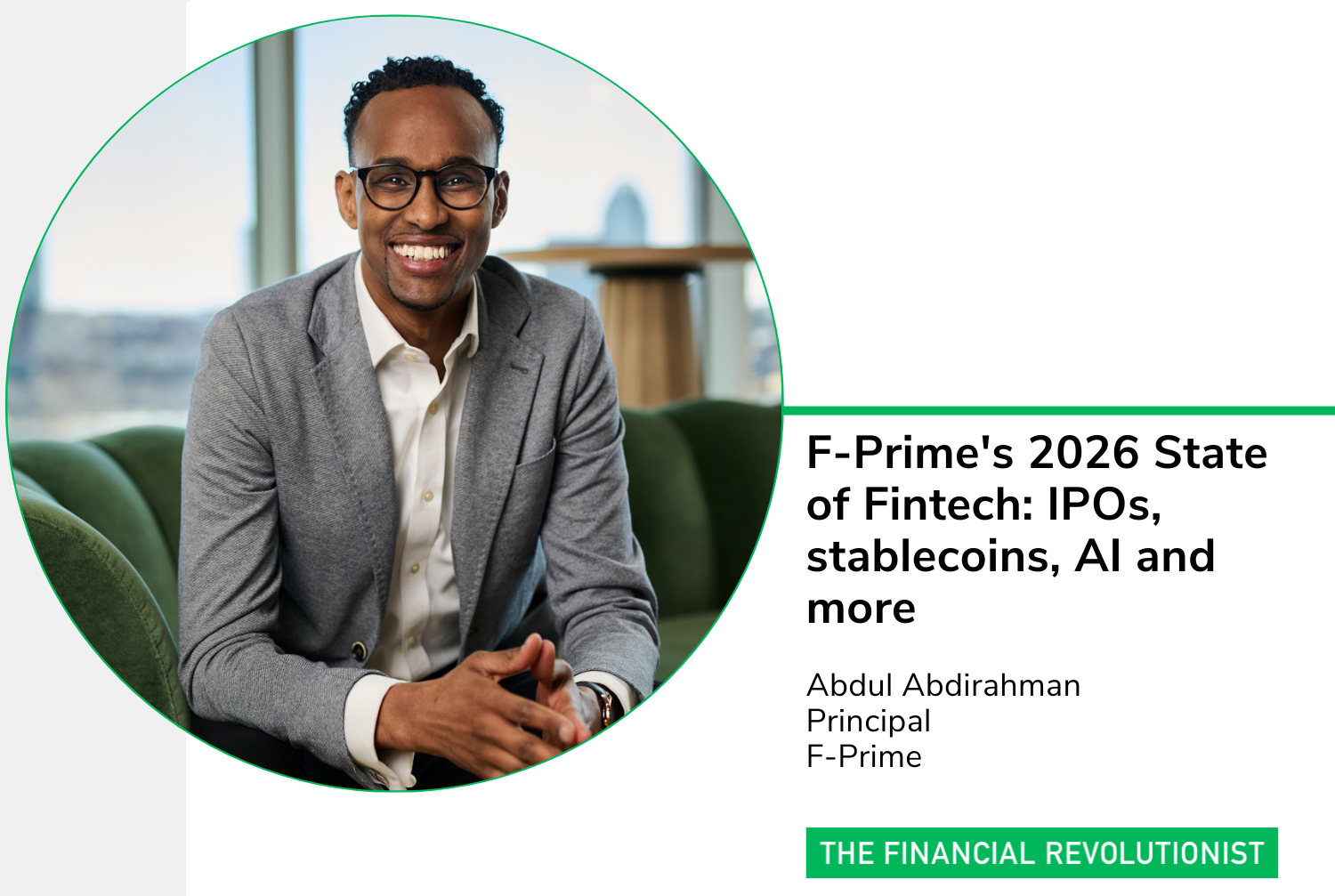
Read MoreFintech has found a new baseline at $45–50 billion annually, new giants have emerged, and crypto earned a seat at the table. F-Prime’s Abdul Abdirahman examines the broader trends.
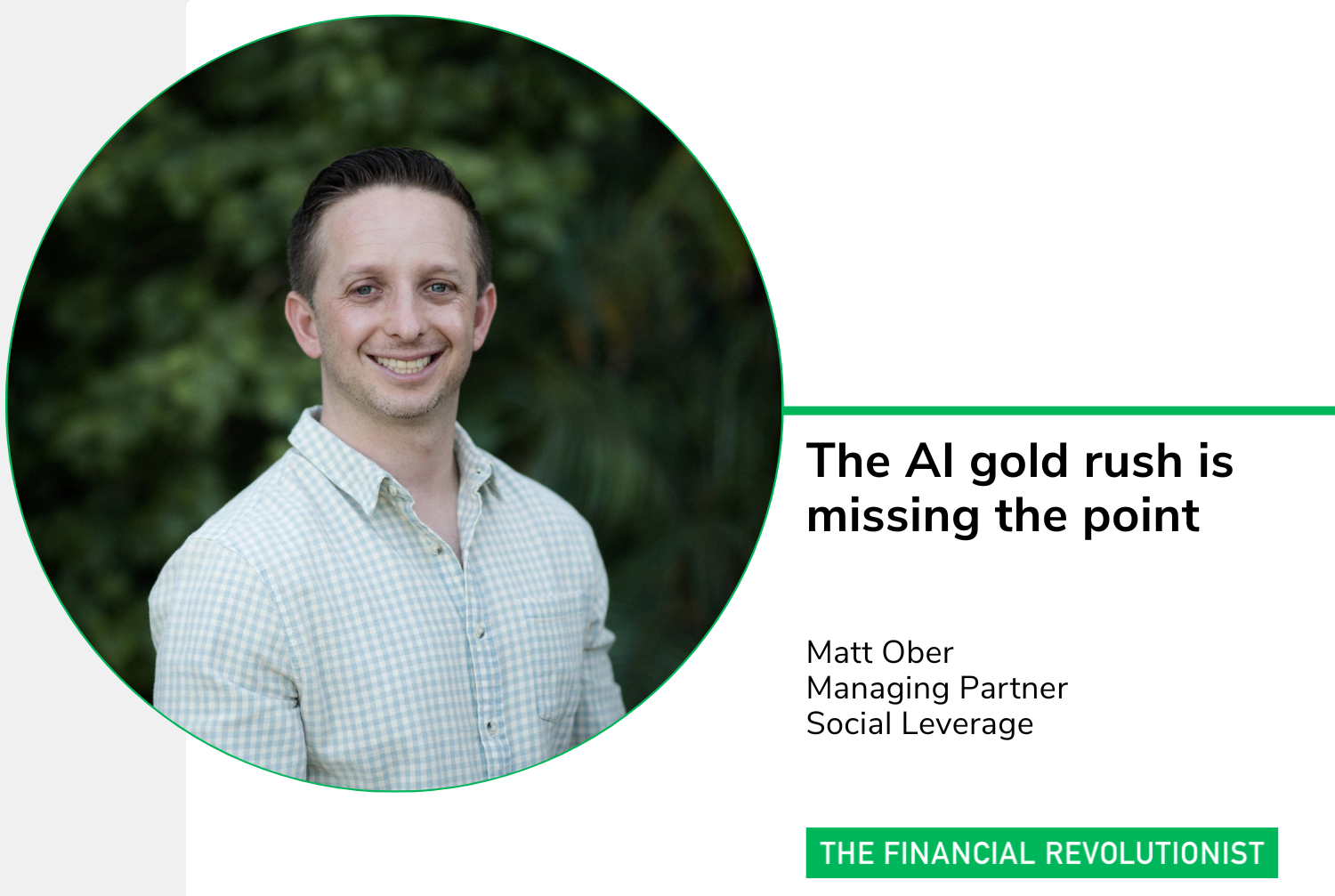
Read MoreMatt Ober of Social Leverage argues that in the rush to fund “AI everything,” distribution, capital structure and revenue still matter more than being AI-native.
Read MoreThe Financial Revolutionist is weekly newsletter and blog focused on the torrid pace of financial innovation. Today, thanks to the exponential rate of technological change, explosion in global trade and new regulations ushered in by the Great Financial Crisis, a new financial revolution is under way. In this battle, virtually every aspect of the greater financial services sector is subject to rigorous challenge. With the Financial Revolutionist, we are aspiring to create a boots-on-the-ground and highly opinionated assessment of important financial innovation developments in the past week.