Fintech News
Coverage of all the relevant fintech news. We distill the trends from daily headlines so you don’t have to.
Fintech News


Coverage of all the relevant fintech news. We distill the trends from daily headlines so you don’t have to.
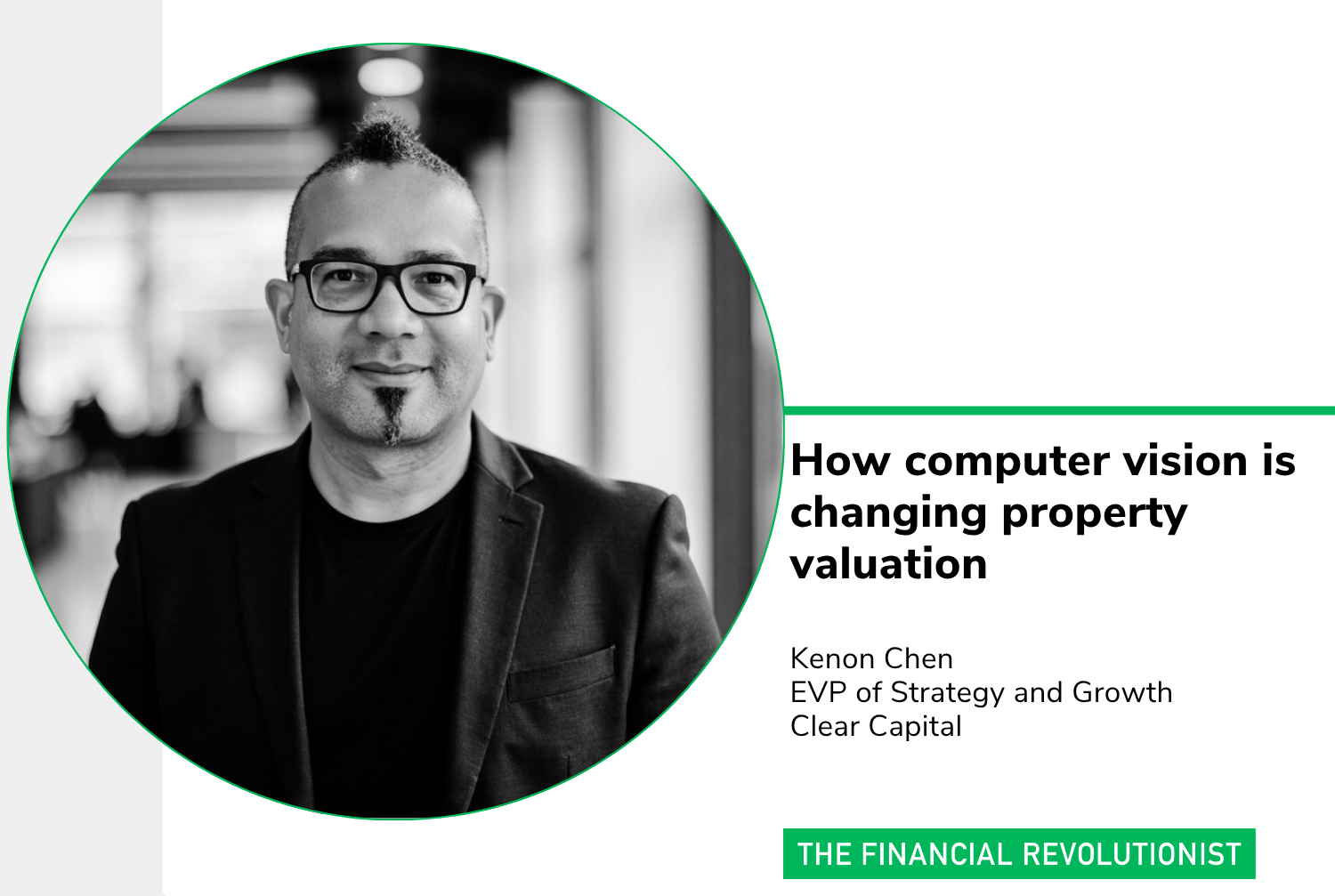
Clear Capital’s Kenon Chen discusses how computer vision is shaping its approach to property valuation.
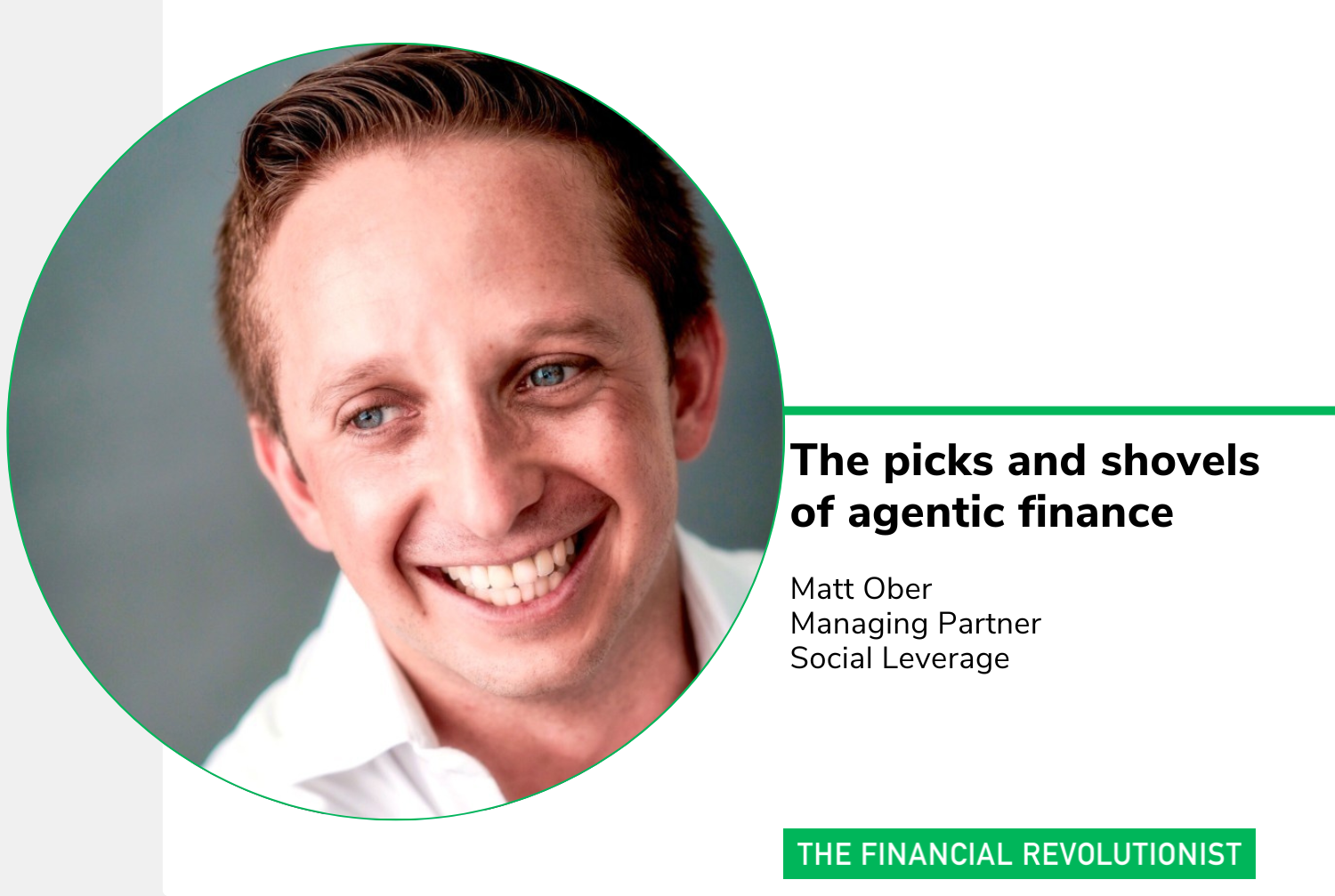
Matt Ober of Social Leverage examines why VCs are concentrating on potential moonshots, leaving fewer options for startups with more modest ambitions.
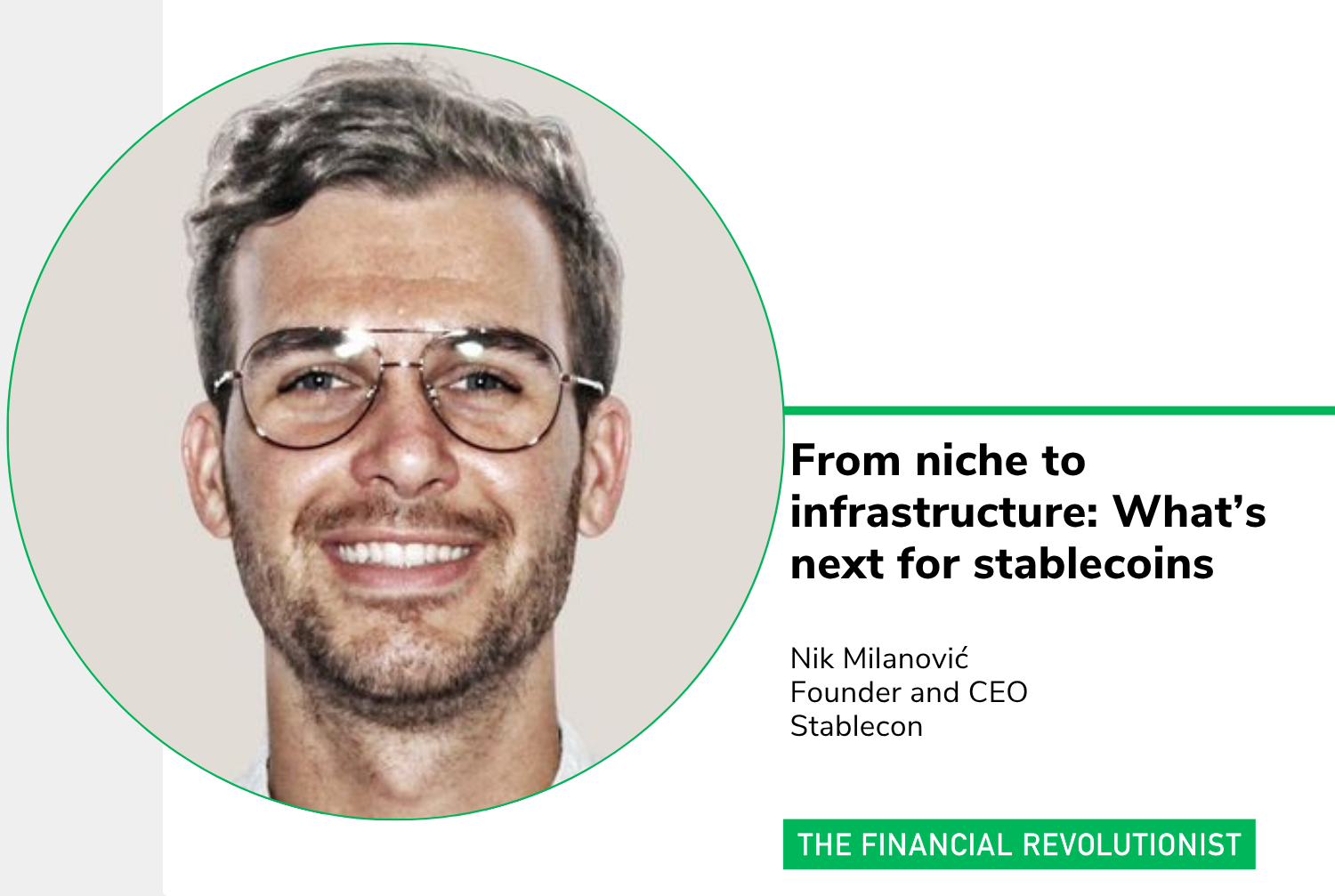
Stablecon founder and CEO Nik Milanović explains how stablecoins are becoming mainstream financial infrastructure and what to expect from the event.
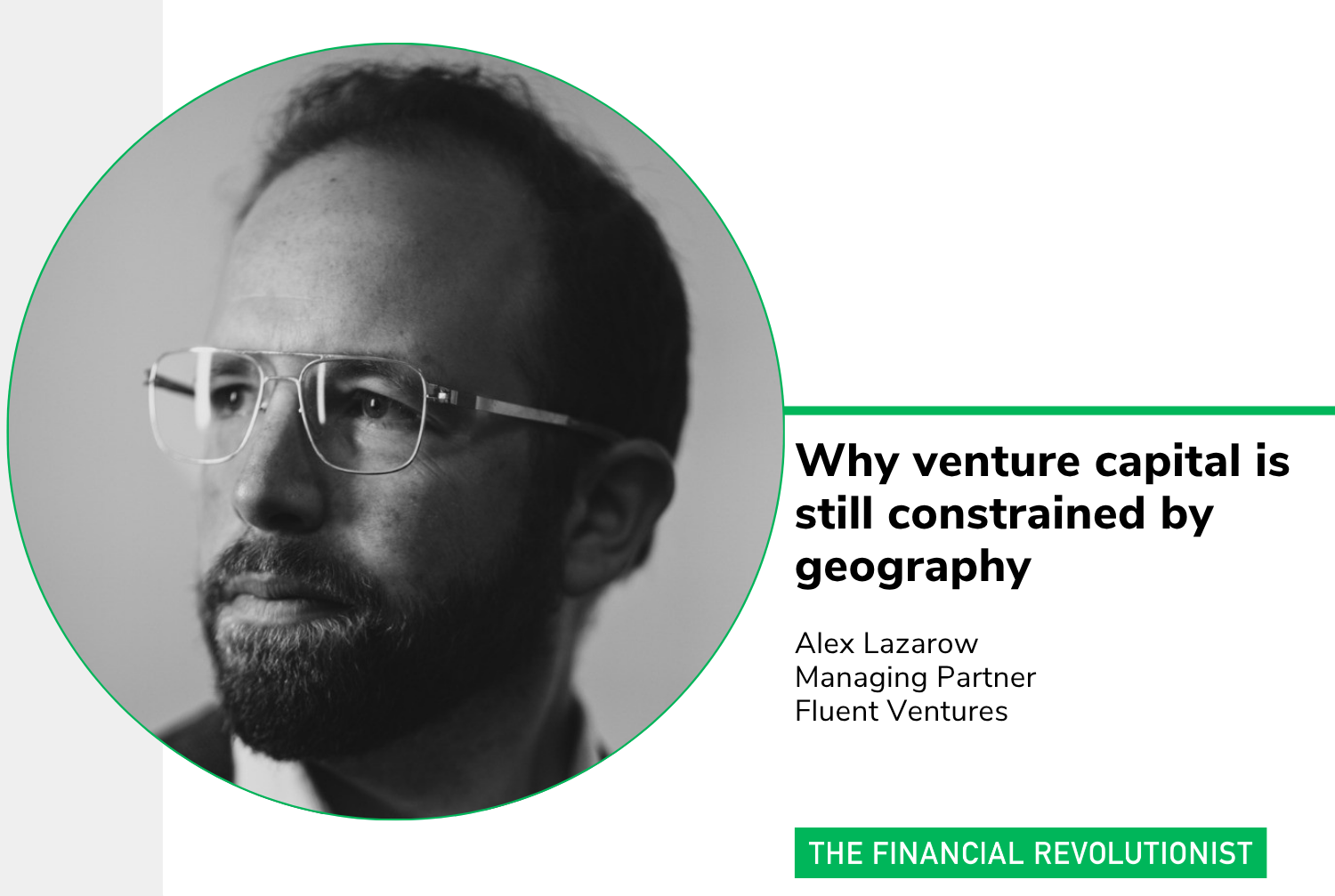
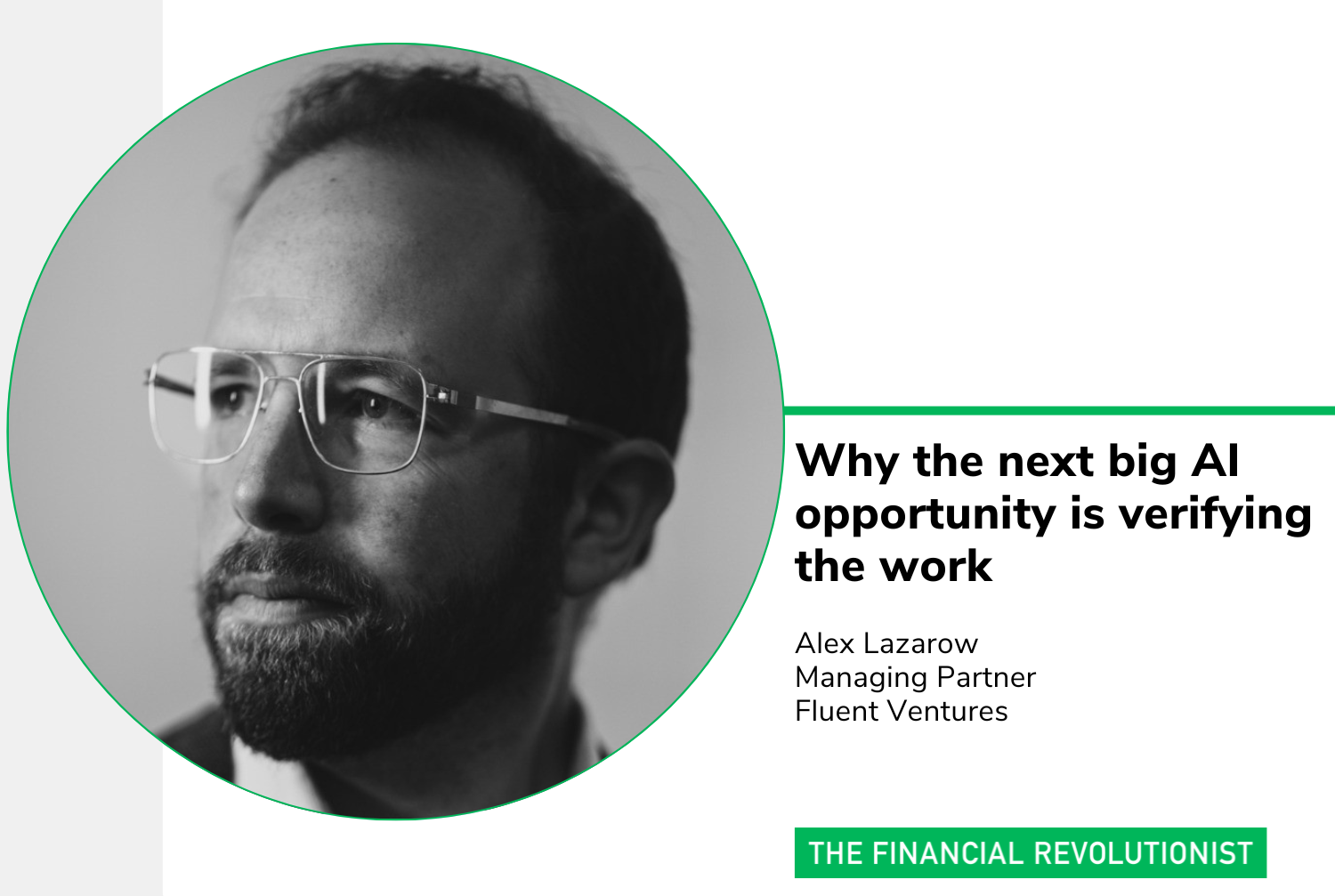
Alex Lazarow of Fluent Ventures explains why innovation has spread around the world while venture capital remains concentrated in a handful of U.S. companies and markets.
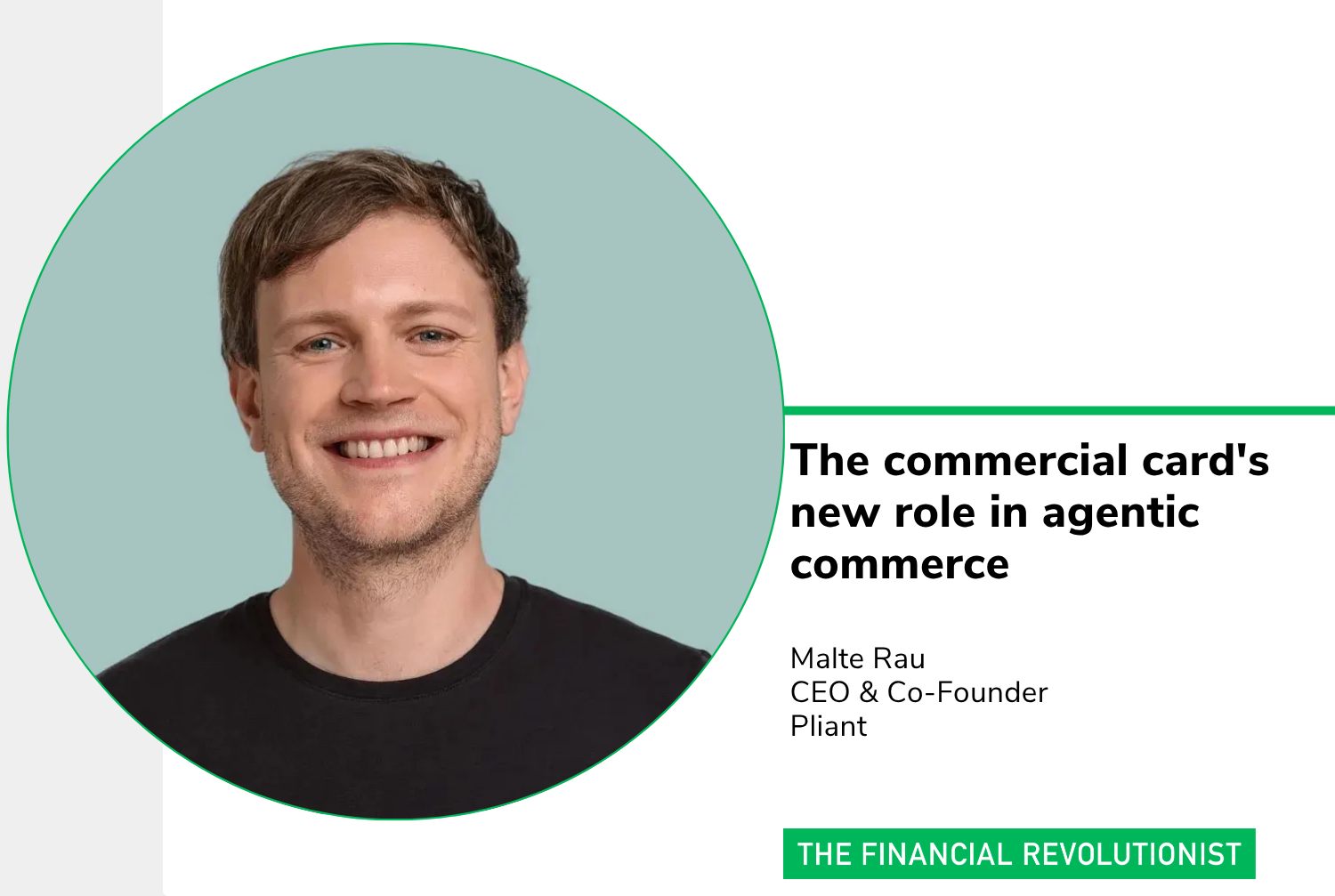
Pliant’s Malte Rau explains why commercial cards could provide the controls businesses need to delegate spending to AI agents.
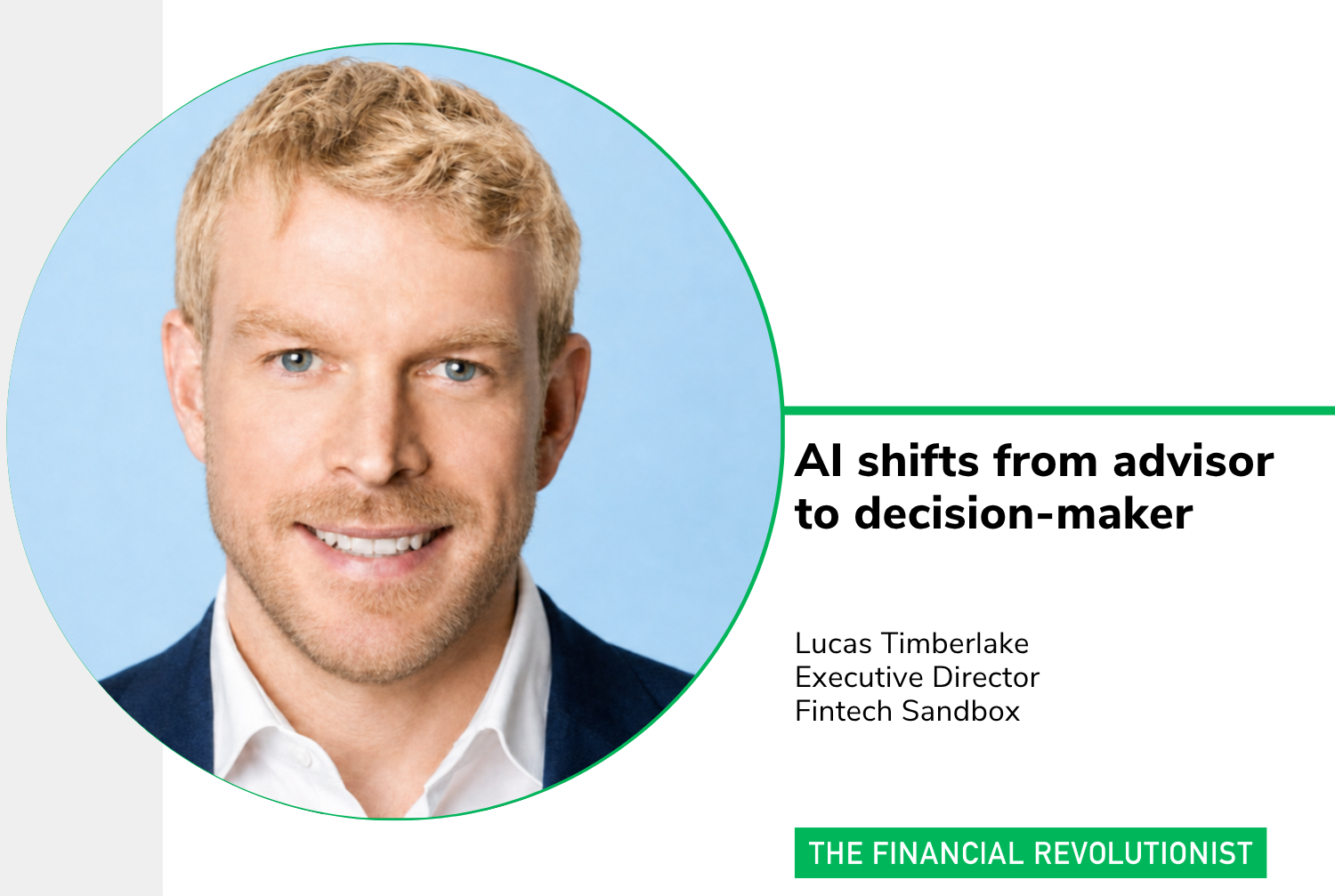
Fintech Sandbox’s Lucas Timberlake discusses the shift from AI recommendations to action and the questions it raises for financial services.
National Mortgage News Editor-in-Chief Heidi Patalano discusses where mortgage automation is delivering, where the hype still exceeds reality and what lenders should expect at Digital Mortgage 2026.
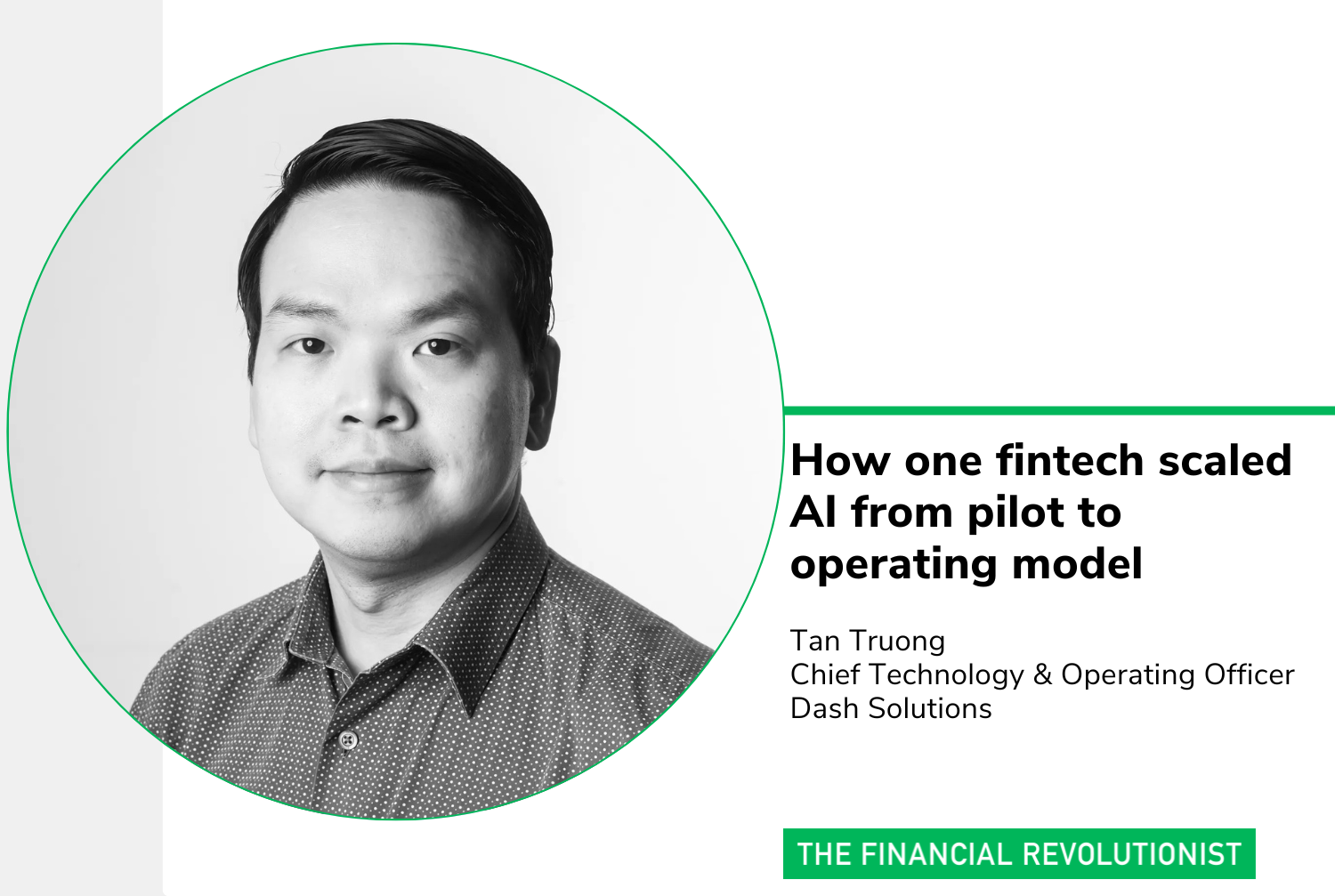
Dash Solutions’ Tan Truong explains how building AI governance early helped the fintech move faster without sacrificing trust.
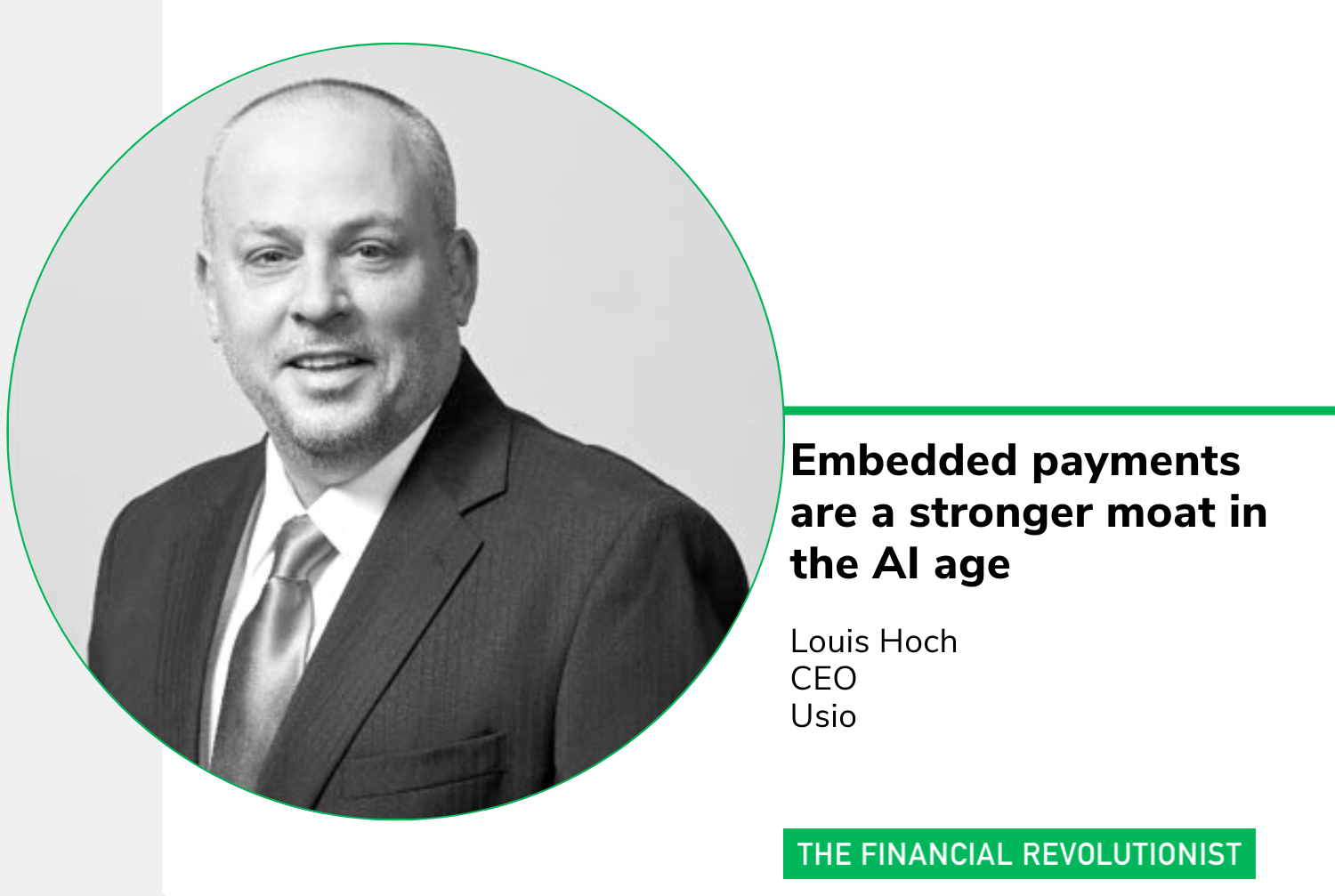
Louis Hoch of Usio explains why embedded payments could give SaaS companies a more durable business model as AI makes software features easier to copy.
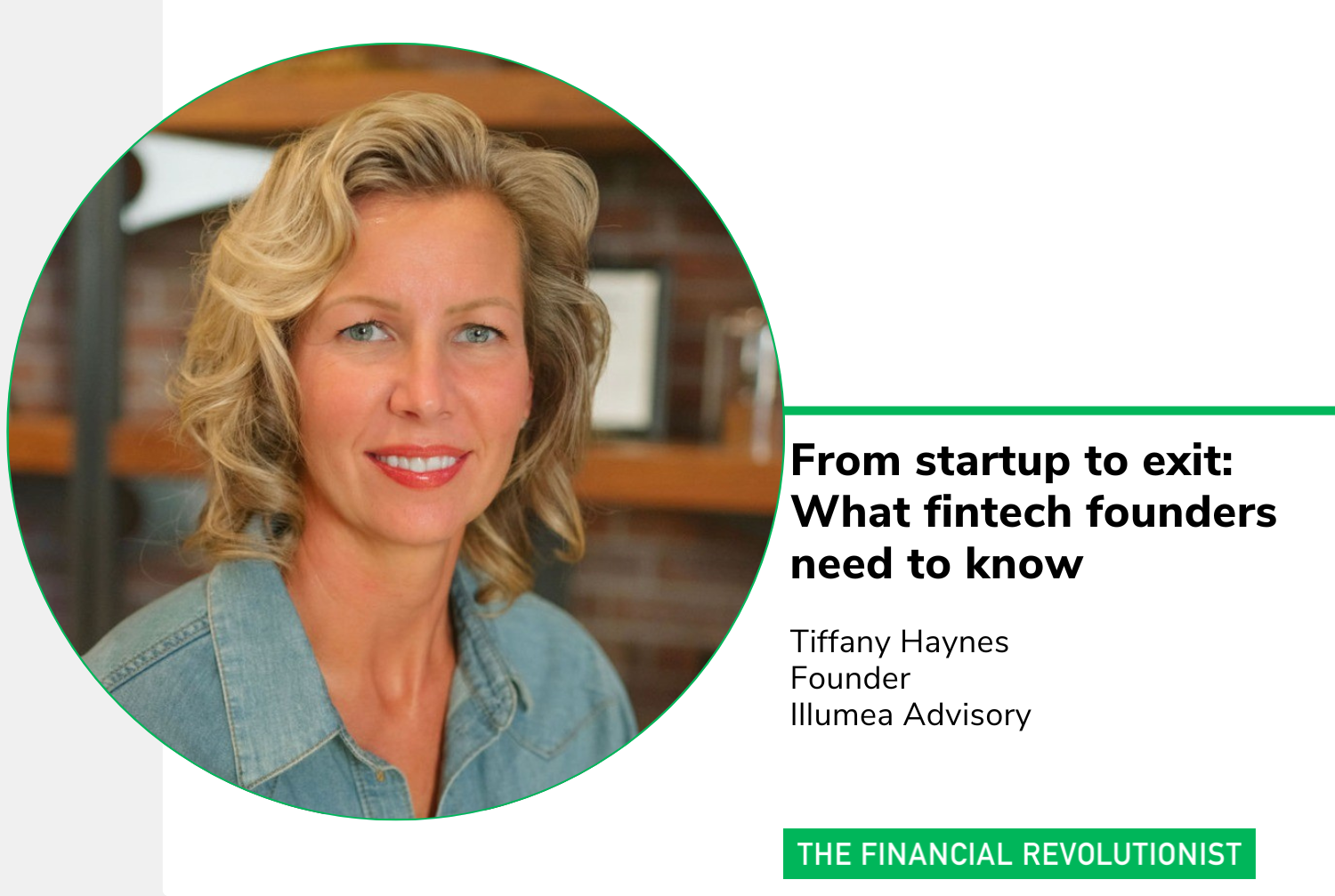
Investor and founder of Illumea Advisory Tiffany Haynes explains why fintech acquisition readiness depends on building operational trust long before a buyer arrives.
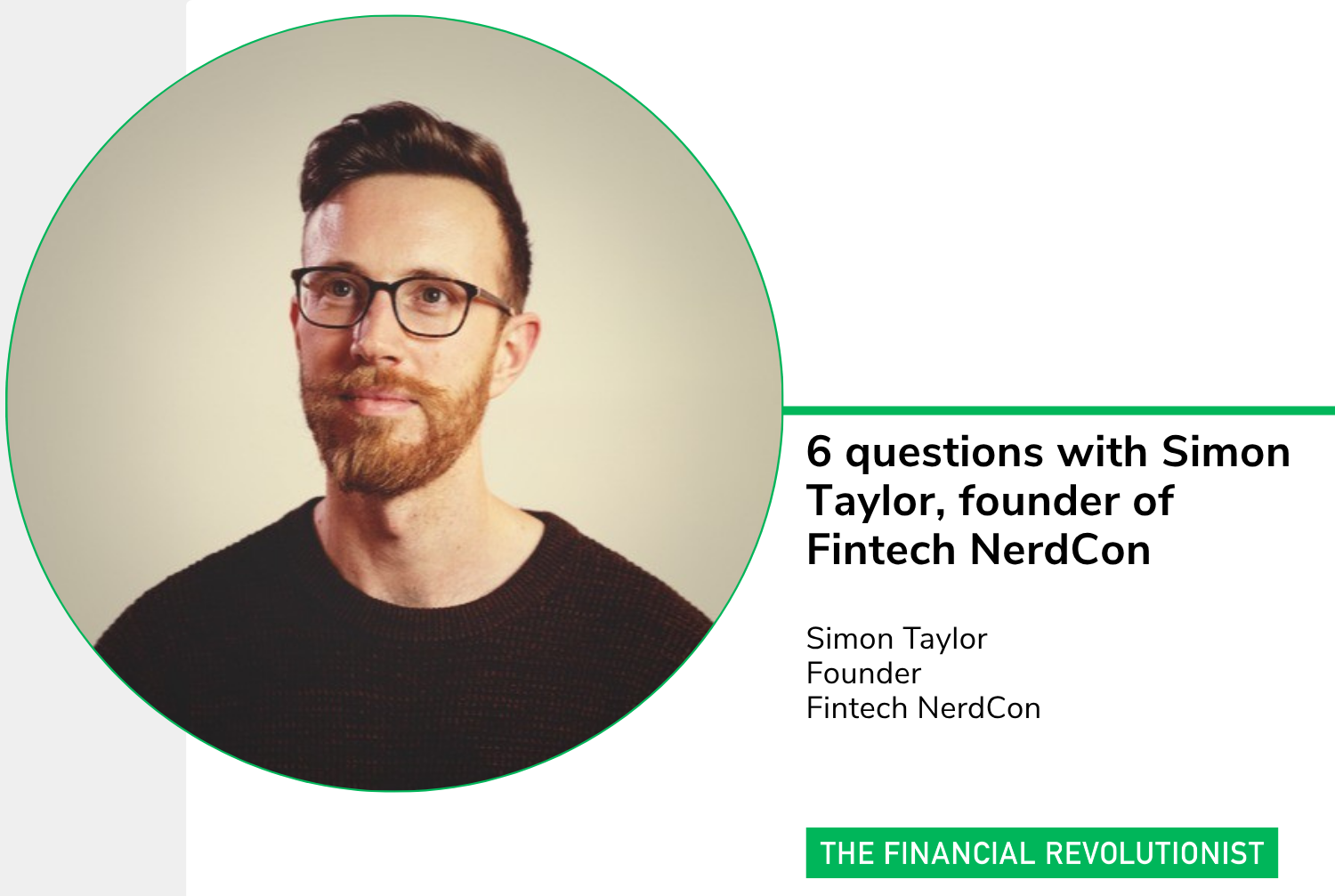
Fintech NerdCon’s Simon Taylor weighs in on the forces transforming financial services and what to expect at this year’s conference in San Diego.
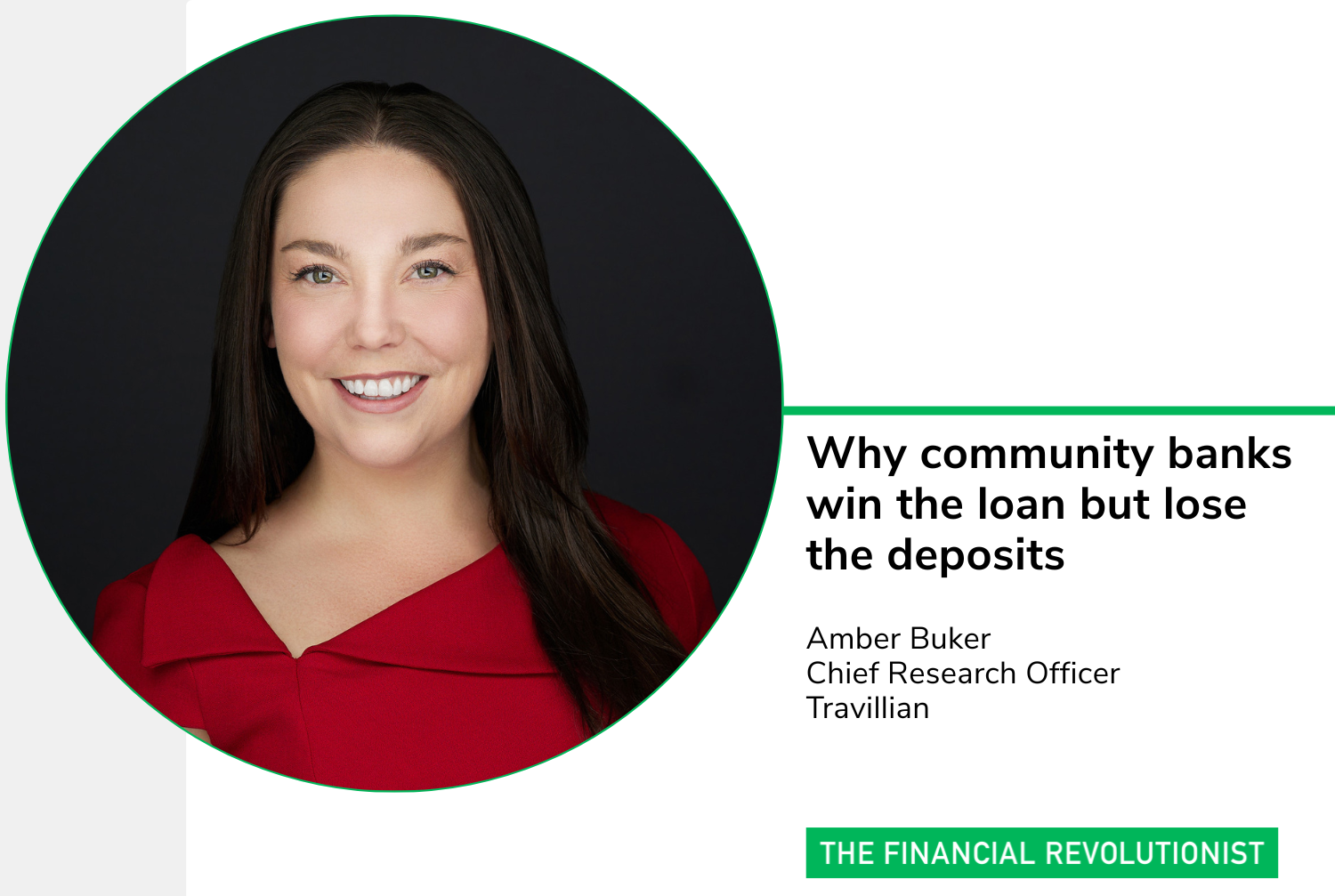
Amber Buker of Travillian explains how better digital account opening could help community banks turn lending relationships into lasting deposits.
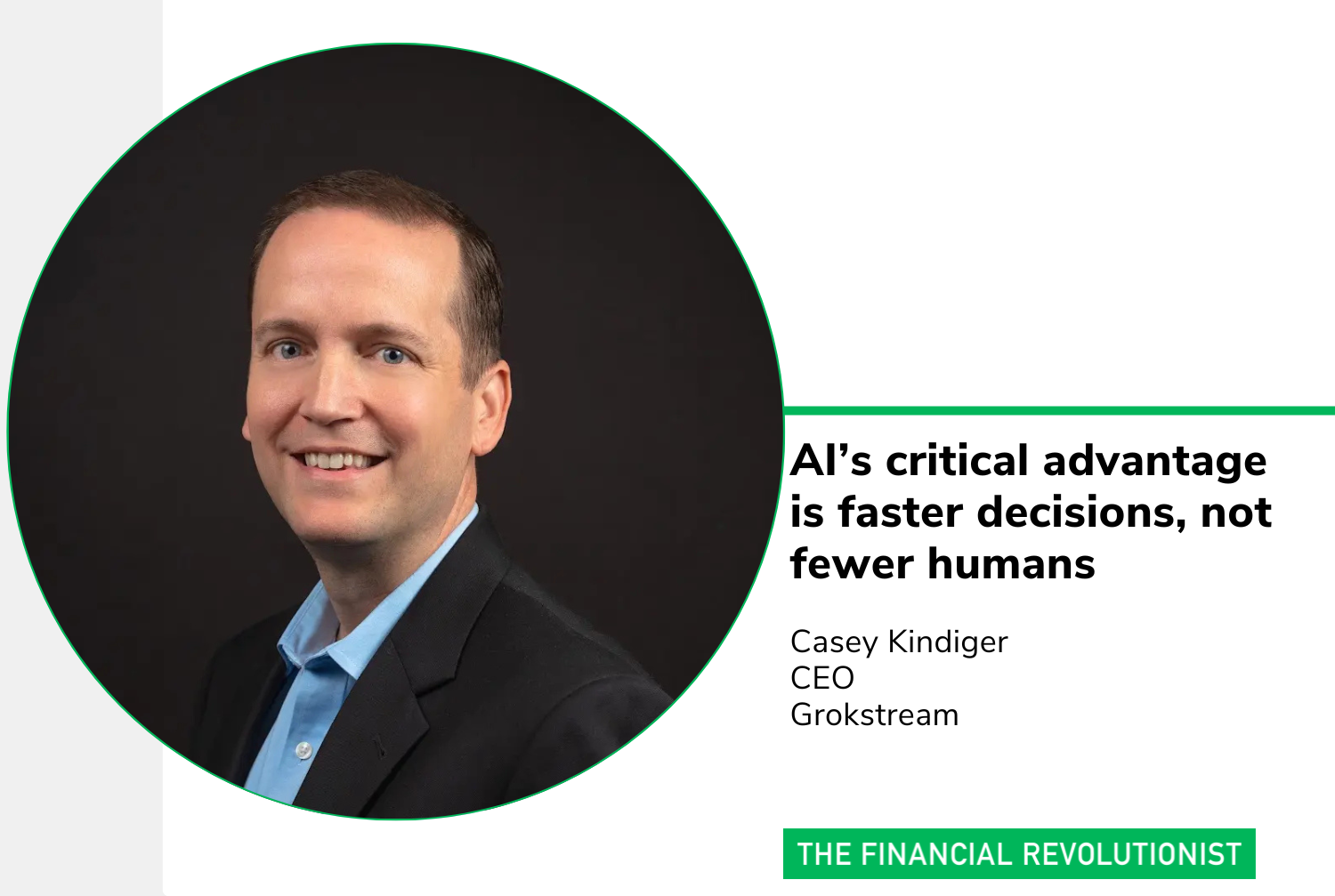
Casey Kindiger of Grokstream explains how financial institutions can use AI to respond faster to technology disruptions without sacrificing human oversight.
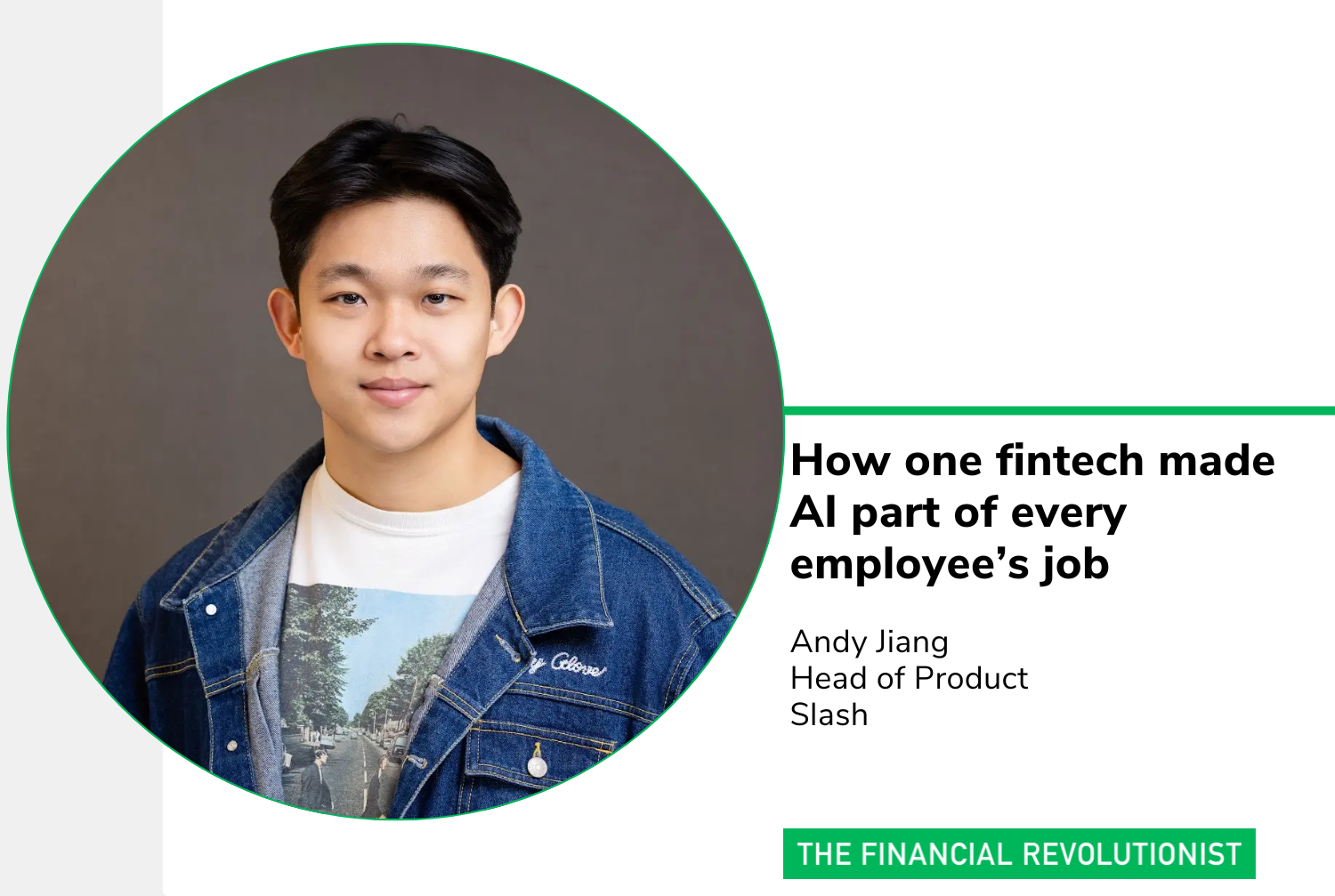
Andy Jiang of Slash explains how the fintech gives employees broad freedom to use AI while keeping spending, security and consequential decisions under human oversight.
Alex Lazarow of Fluent Ventures explains why the rise of autonomous AI will create a new class of companies that verify its work and bear the risk when it fails.
Matt Ober of Social Leverage argues that AI agents and prediction markets are creating new fintech infrastructure opportunities, but building the winners will take time.
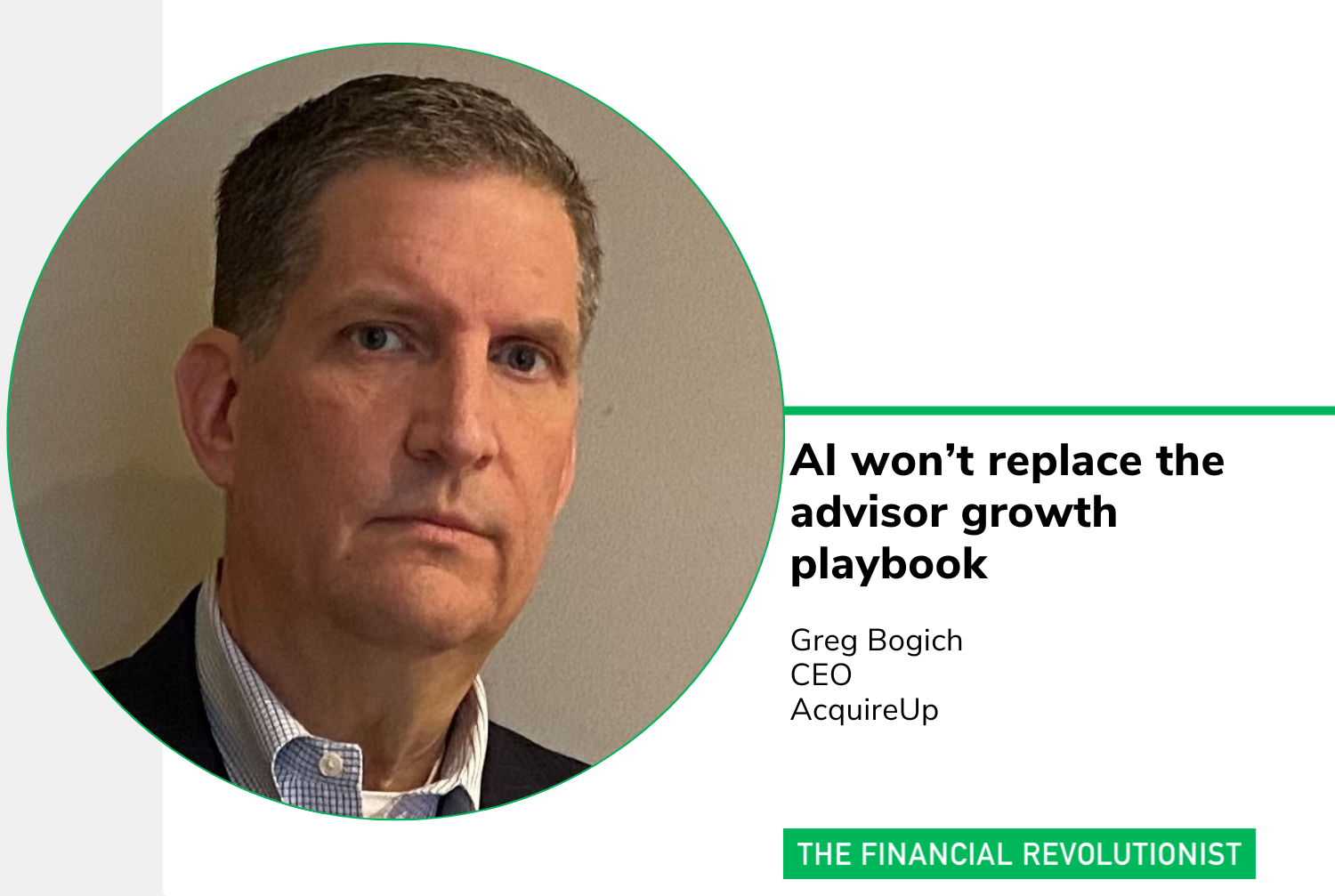
Greg Bogich of advisor growth firm AcquireUp explains how AI can help financial advisors scale the human connections that drive new business.
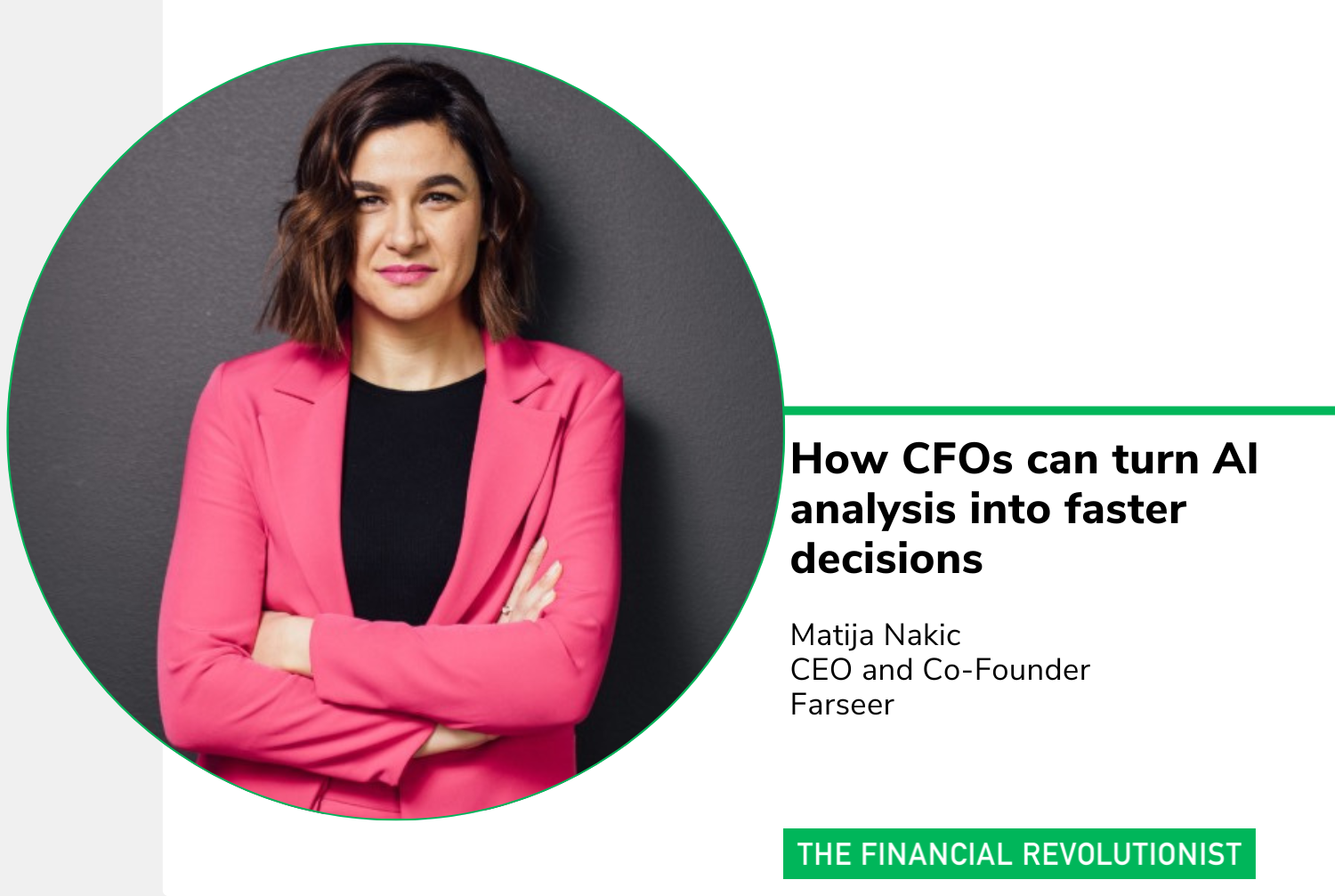
Matija Nakic of financial planning and analysis software company Farseer explains how AI can help finance teams test scenarios and evaluate the financial consequences of business decisions as conditions change.
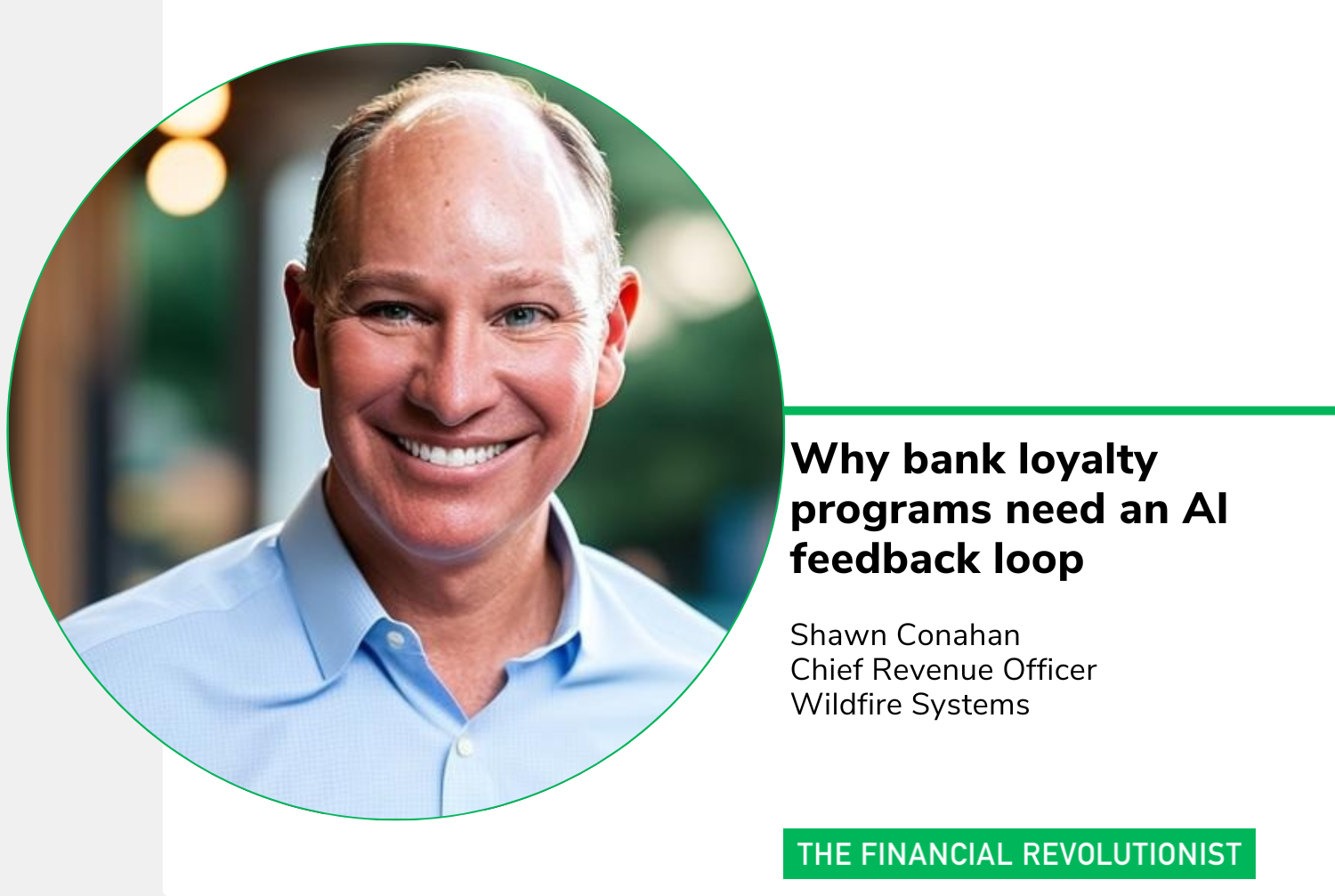
Shawn Conahan, chief revenue officer of Wildfire Systems, argues that banks are missing a critical piece in their self-funding loyalty programs, relevance, and explains how AI-driven personalization can close the gap.
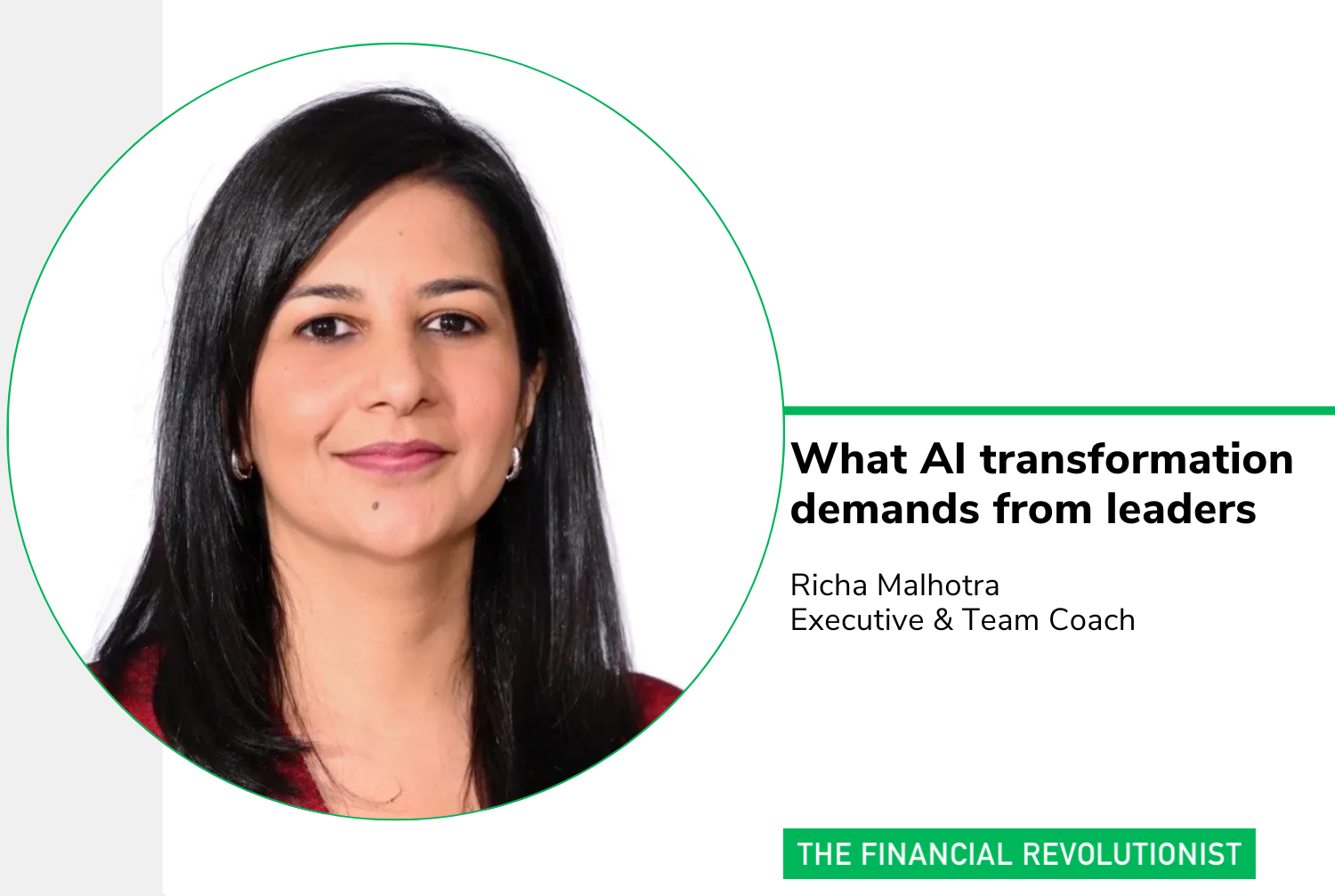
Executive coach Richa Malhotra explains why navigating AI requires clarity, trust and a willingness to move before leaders feel ready.
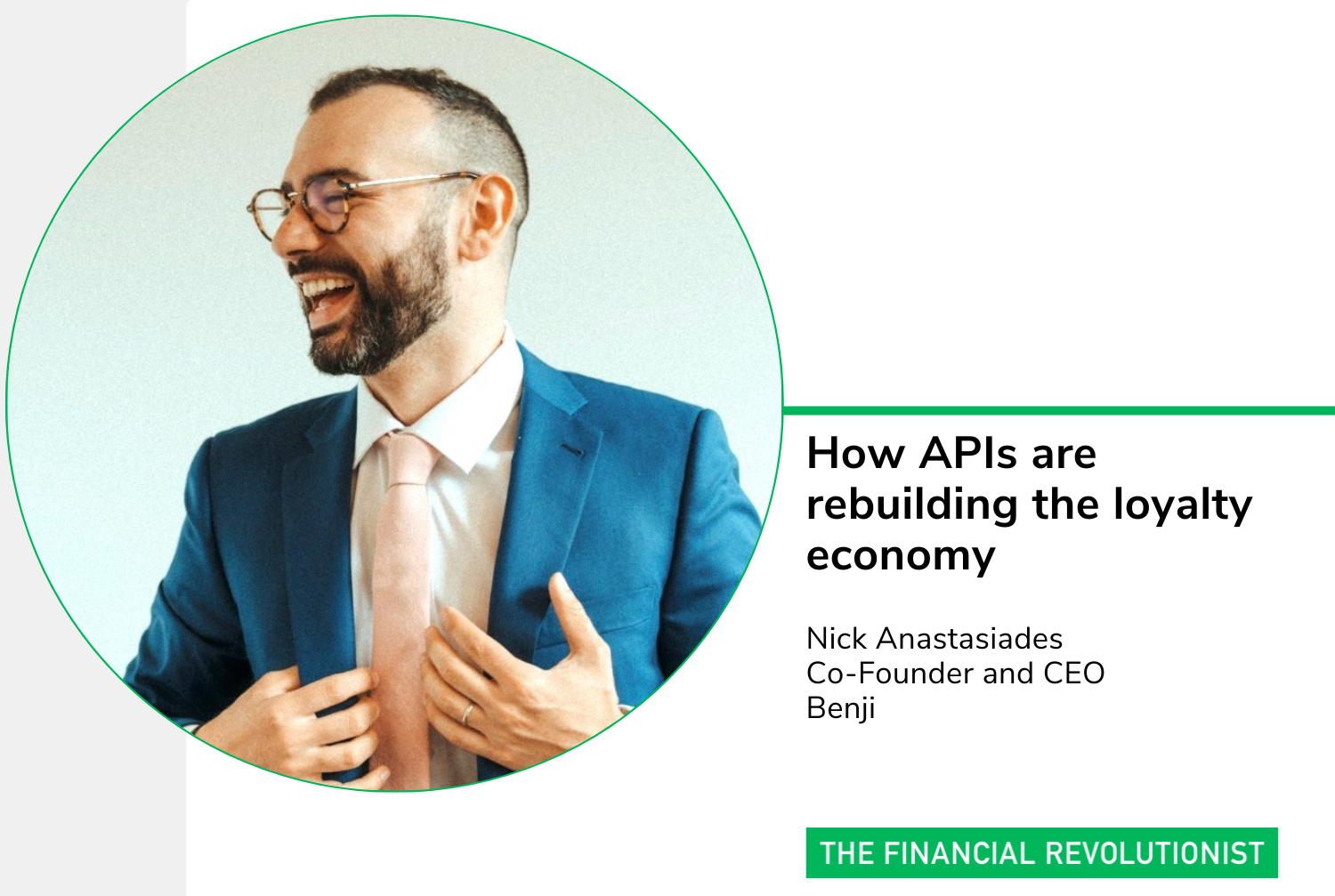
Nick Anastasiades of Benji explains how loyalty is moving beyond one-off partnerships toward a more flexible system where value flows across brands and product categories.
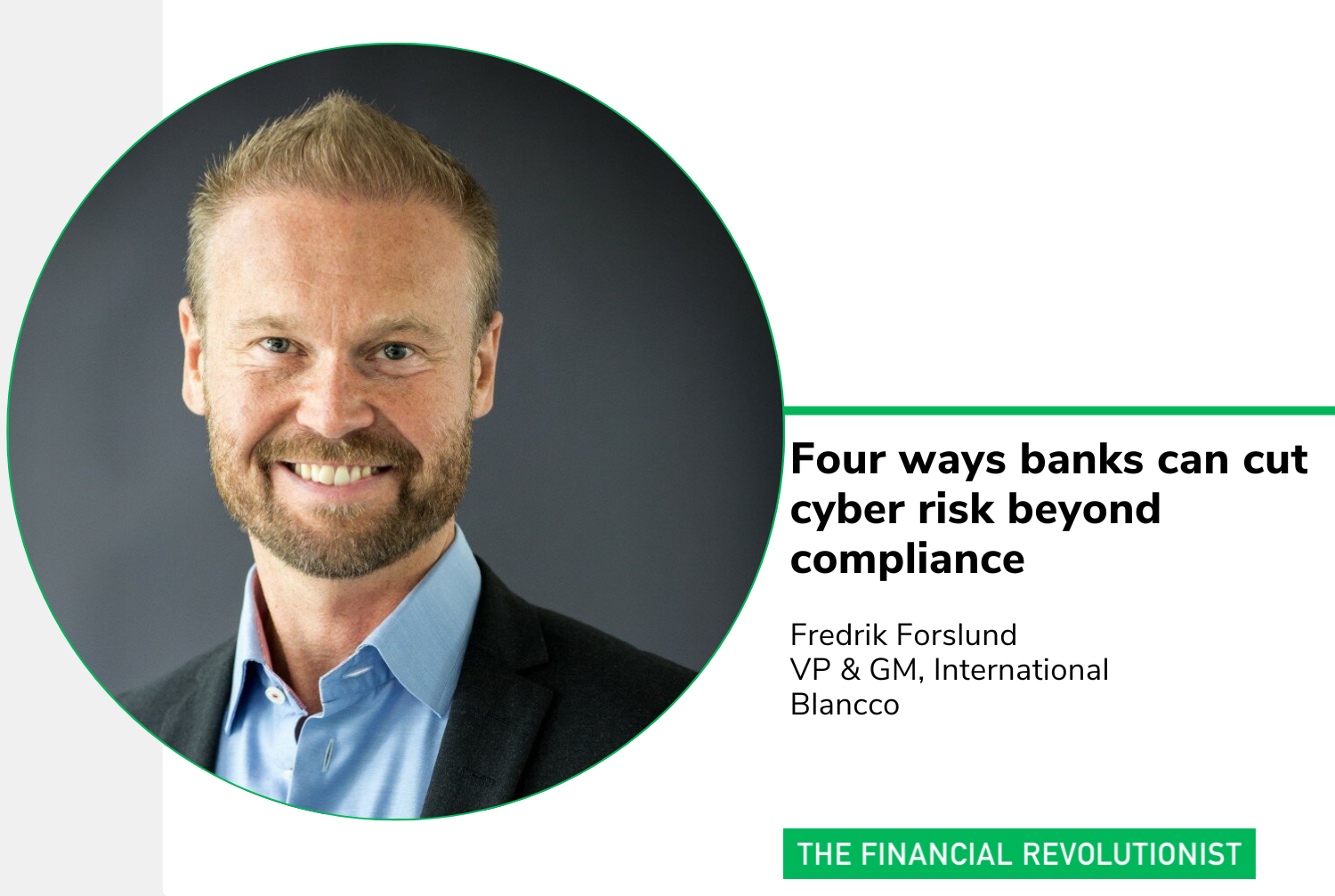
Fredrik Forslund of Blancco shares four priorities for banks looking to strengthen data security.
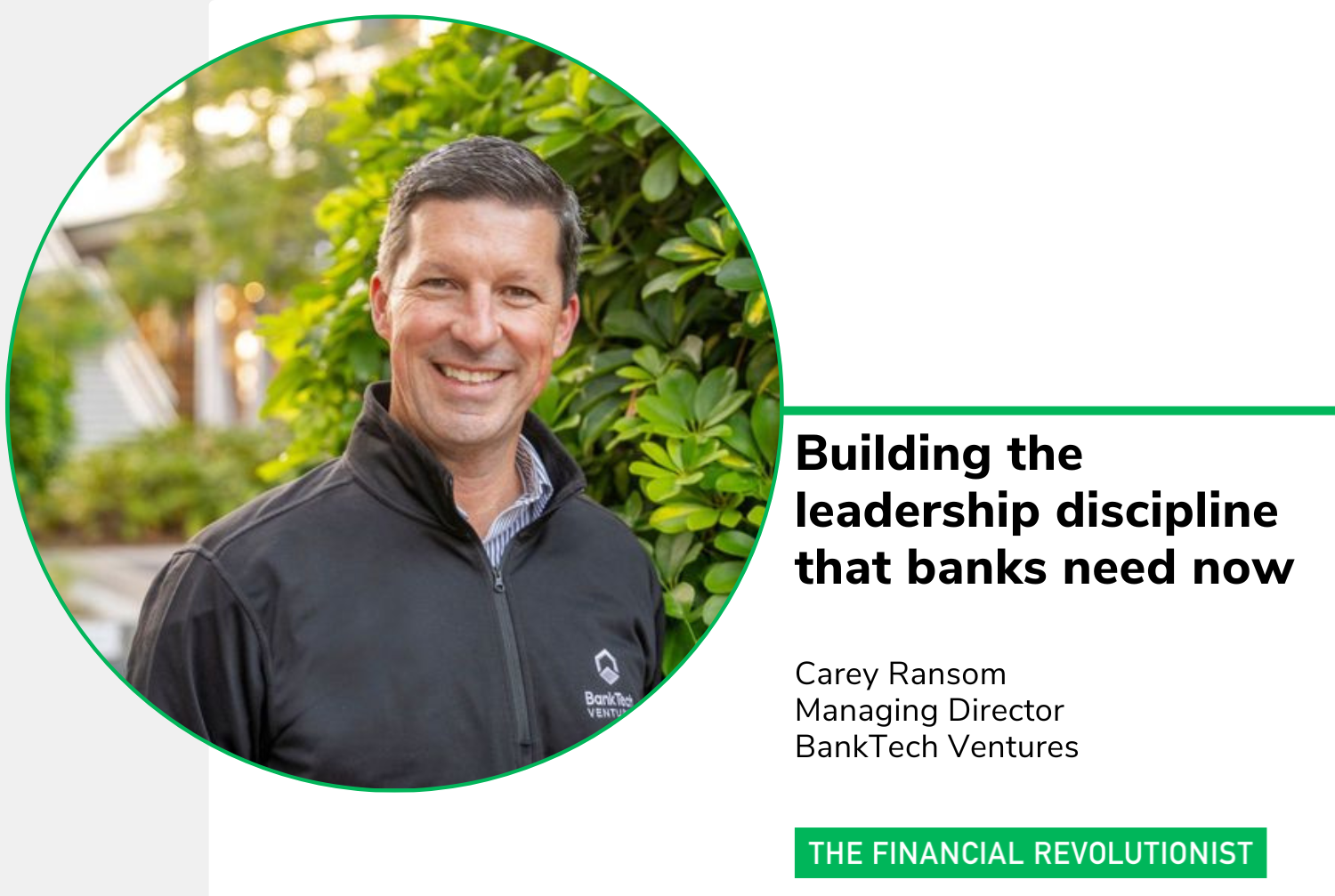
Carey Ransom of BankTech Ventures argues that community bank leaders need to make strategic thinking a leadership discipline.
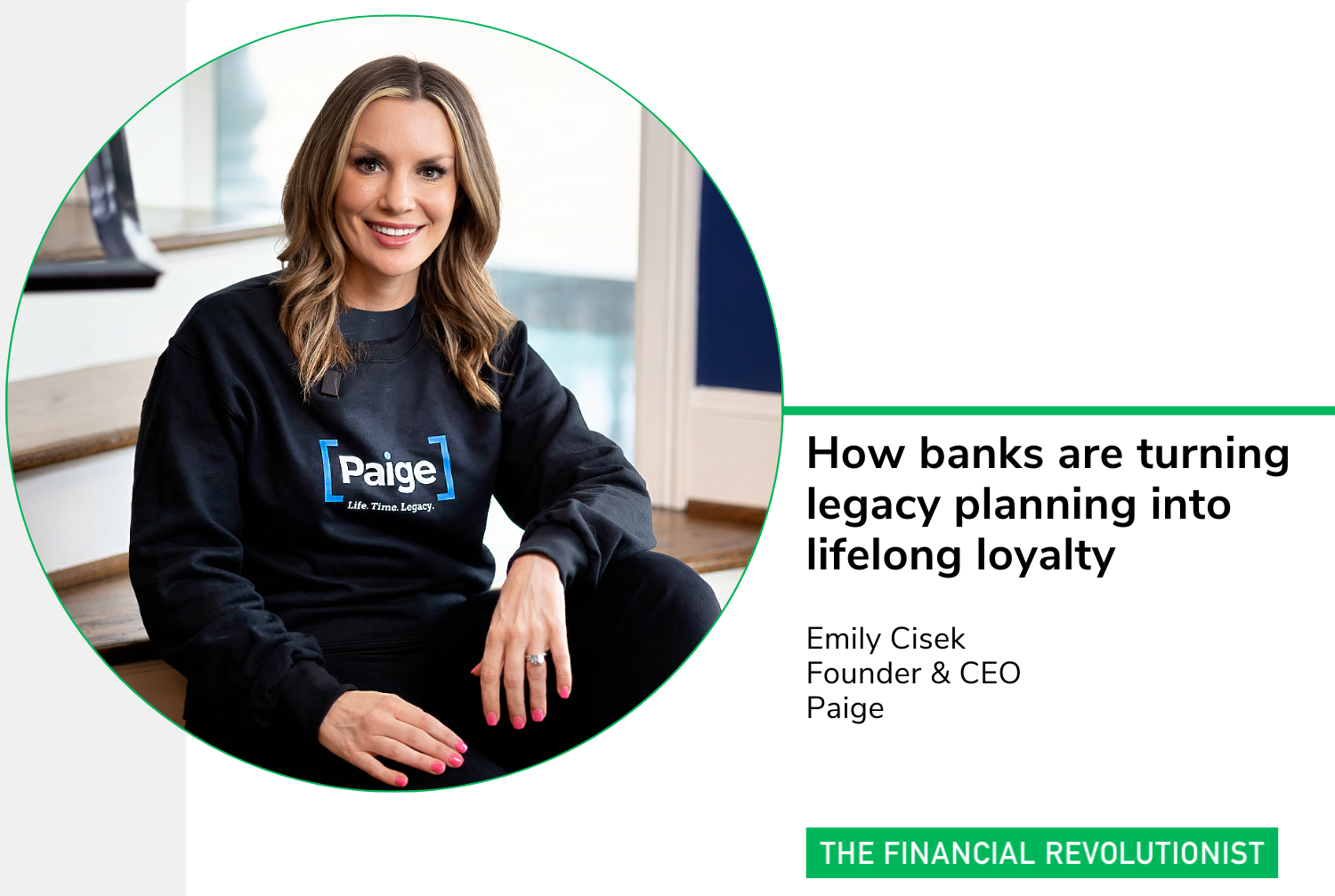
Emily Cisek of Paige examines how community banks are turning legacy planning into a relationship advantage big banks can't easily replicate.
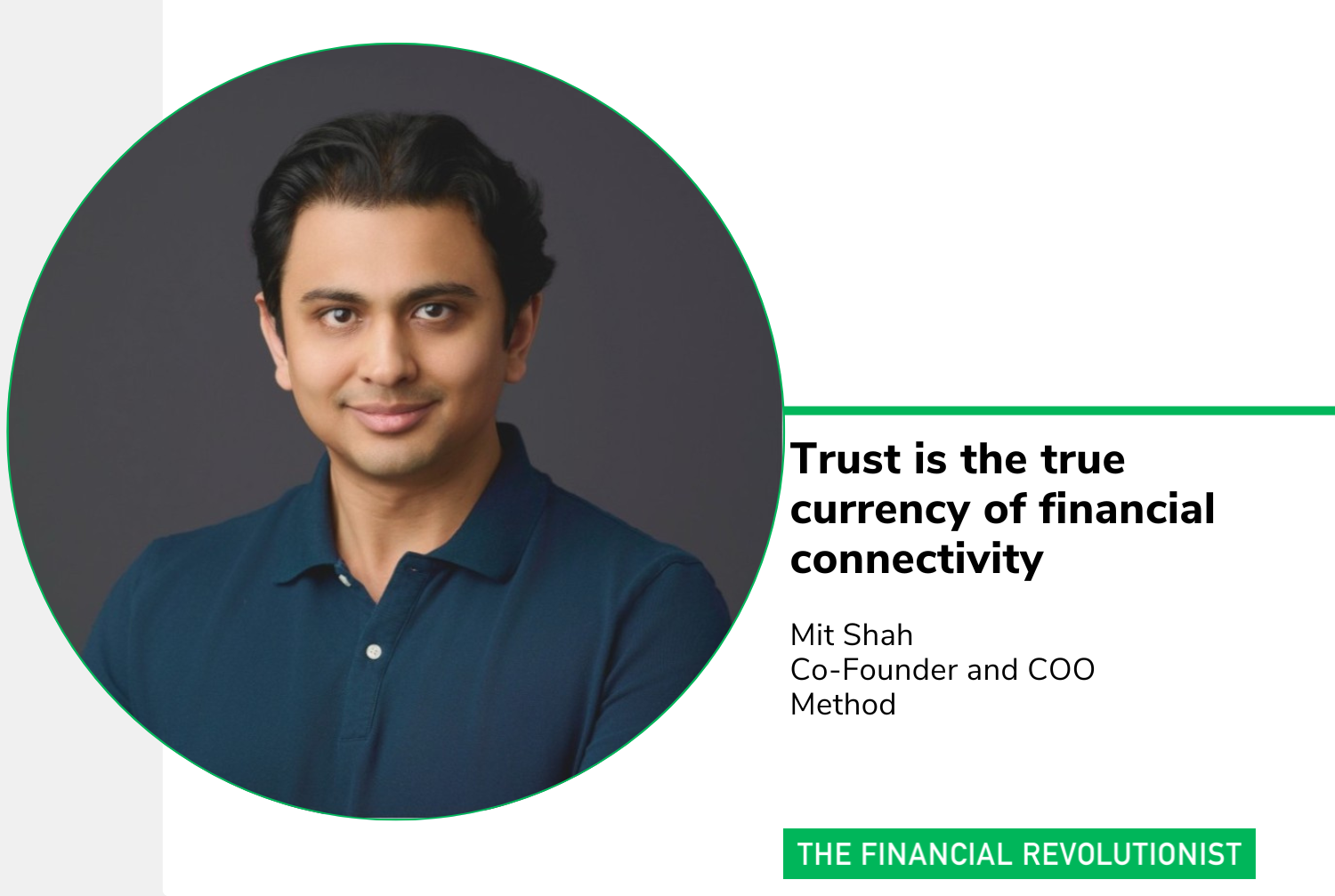
Method's Mit Shah outlines five principles for handling customer financial data in ways that build trust, deliver value and avoid crossing privacy boundaries.
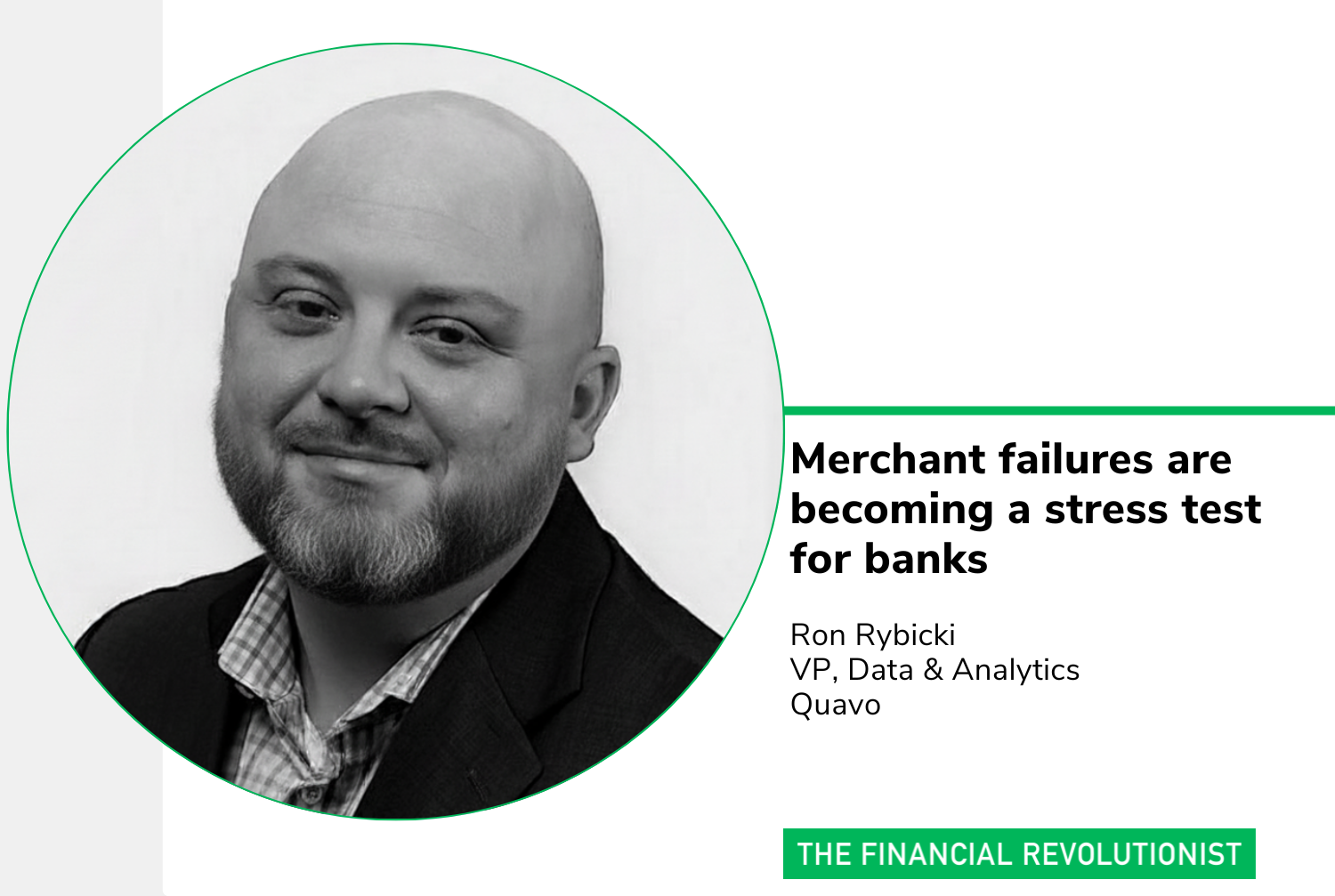
Quavo's Ron Rybicki explains why merchant failures are exposing a growing blind spot in banks' dispute operations.
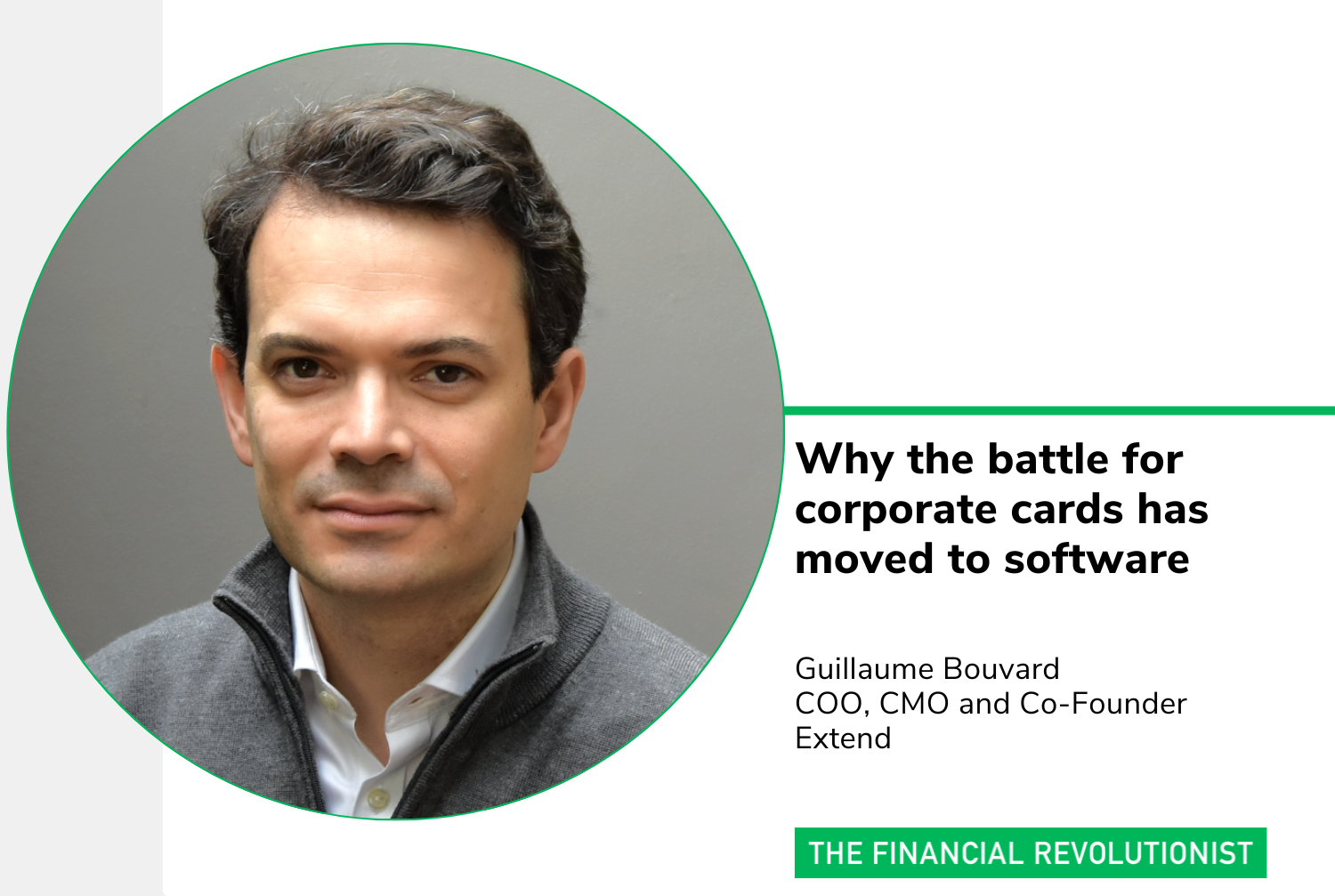
Guillaume Bouvard of Extend argues that value in the corporate card market is shifting from payments infrastructure to the software that controls how money moves.
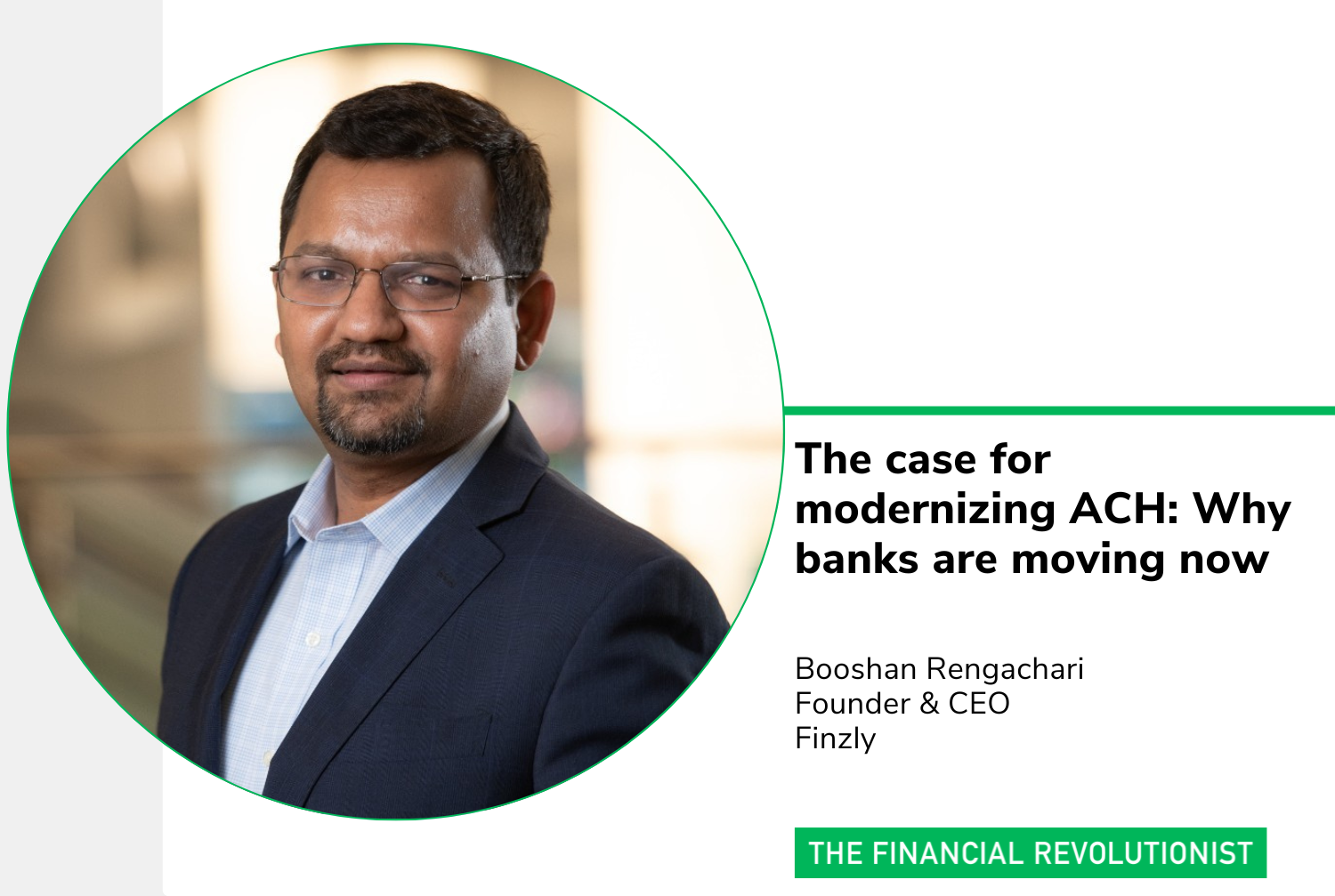
Booshan Rengachari, founder and CEO of Finzly, makes the case for why so many banks are making the move to modernize with the introduction of Nacha’s new fraud monitoring rules.
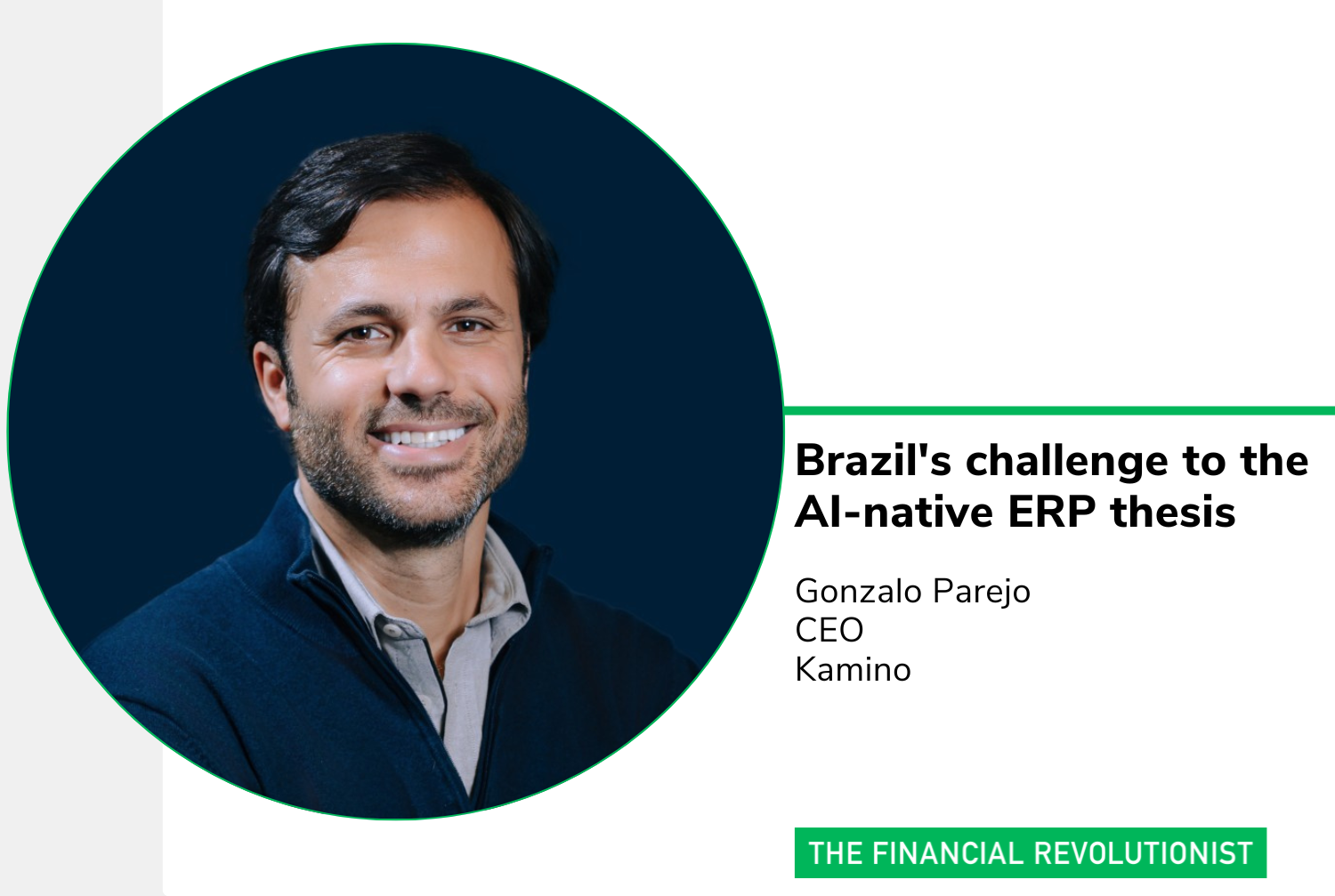
Gonzalo Parejo of Kamino explains why the biggest AI opportunity in finance may sit alongside the ERP, not inside it.
The Financial Revolutionist is weekly newsletter and blog focused on the torrid pace of financial innovation. Today, thanks to the exponential rate of technological change, explosion in global trade and new regulations ushered in by the Great Financial Crisis, a new financial revolution is under way. In this battle, virtually every aspect of the greater financial services sector is subject to rigorous challenge. With the Financial Revolutionist, we are aspiring to create a boots-on-the-ground and highly opinionated assessment of important financial innovation developments in the past week.