VCs are taking too long to say no
/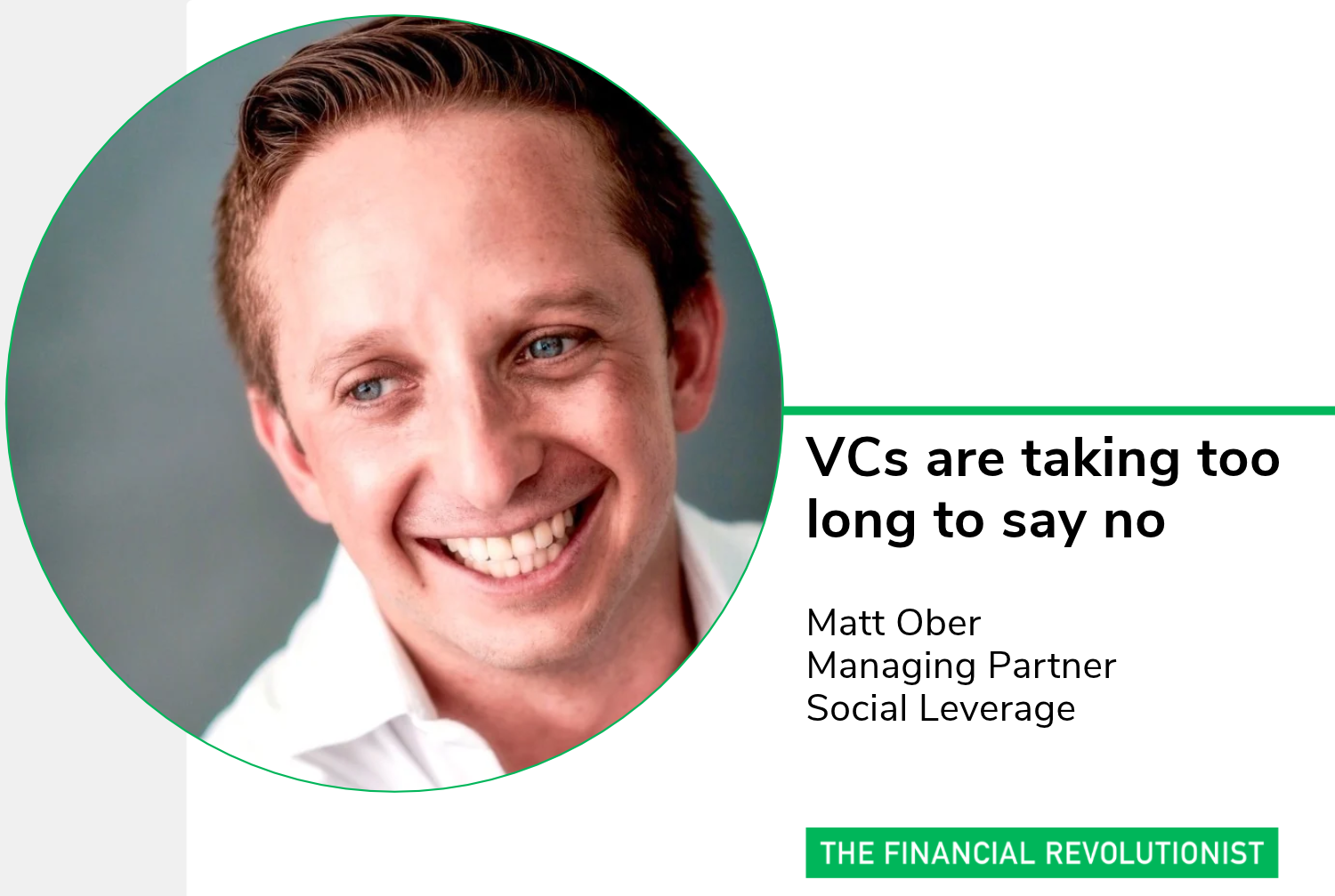
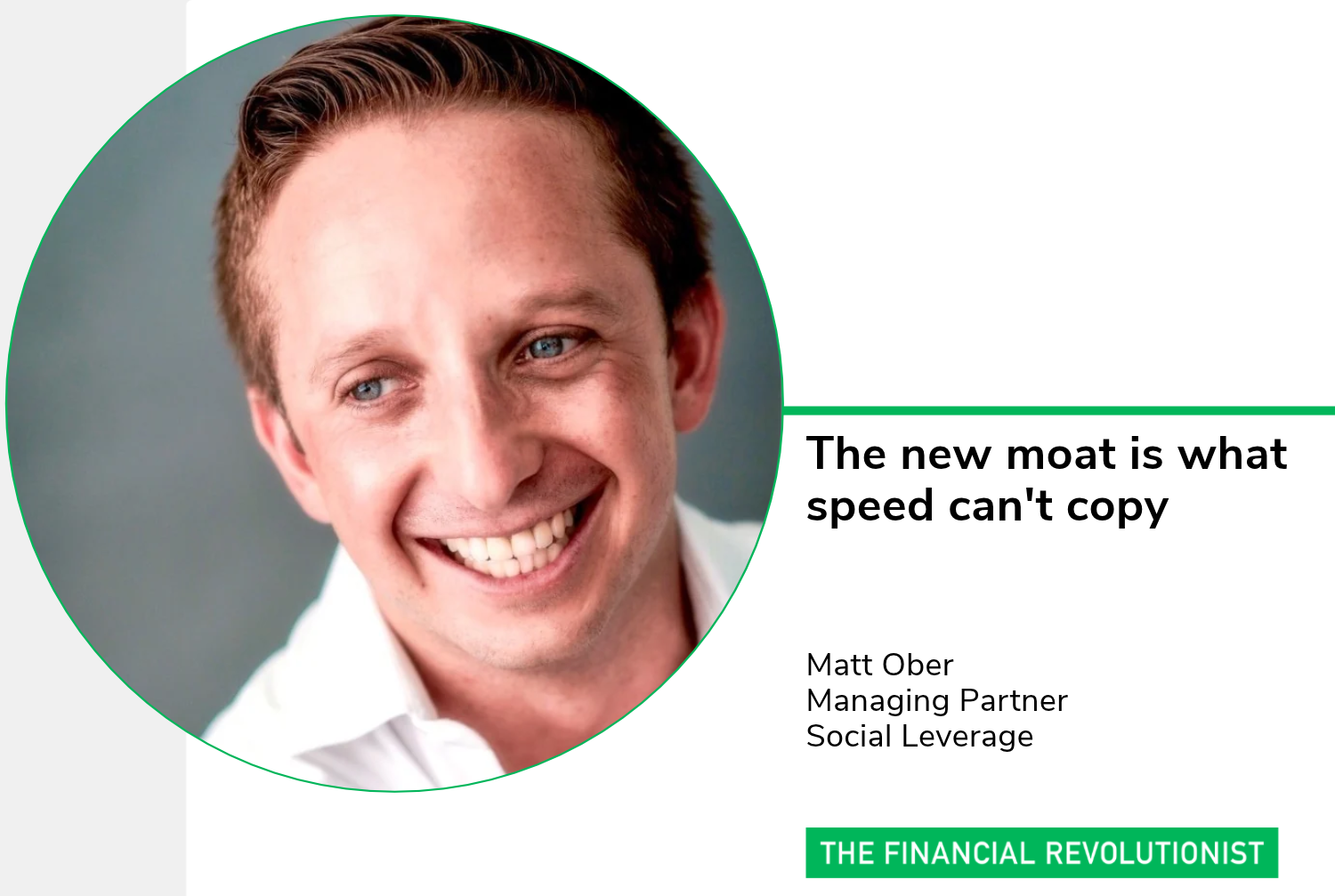
Matt Ober of Social Leverage examines how political uncertainty is affecting the venture outlook and why investors need conviction when backing founders.
Read MoreMatt Ober of Social Leverage examines how political uncertainty is affecting the venture outlook and why investors need conviction when backing founders.
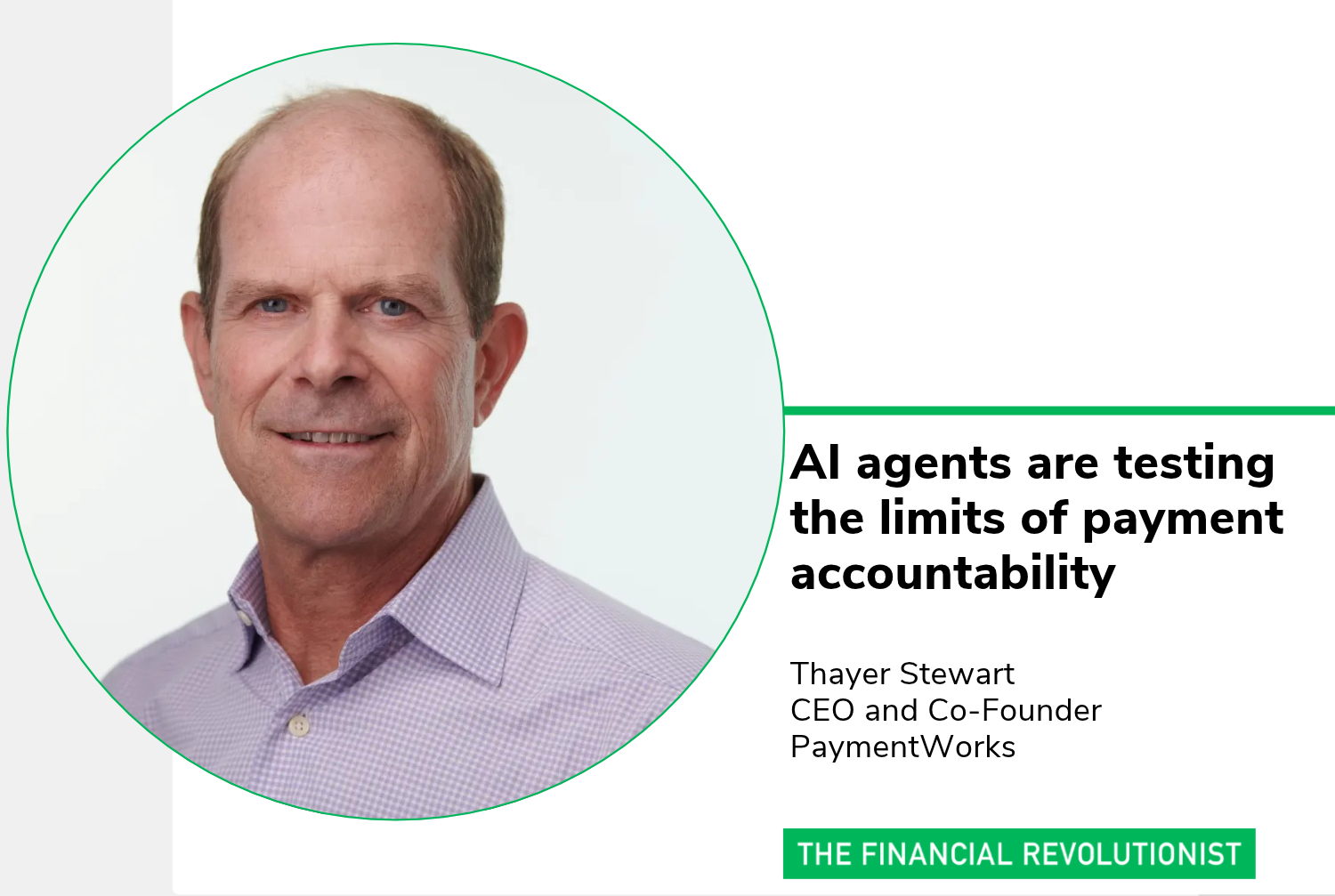
Read MorePaymentWorks CEO Thayer Stewart argues that assigning responsibility for AI payments starts with proving what agents are authorized to do.
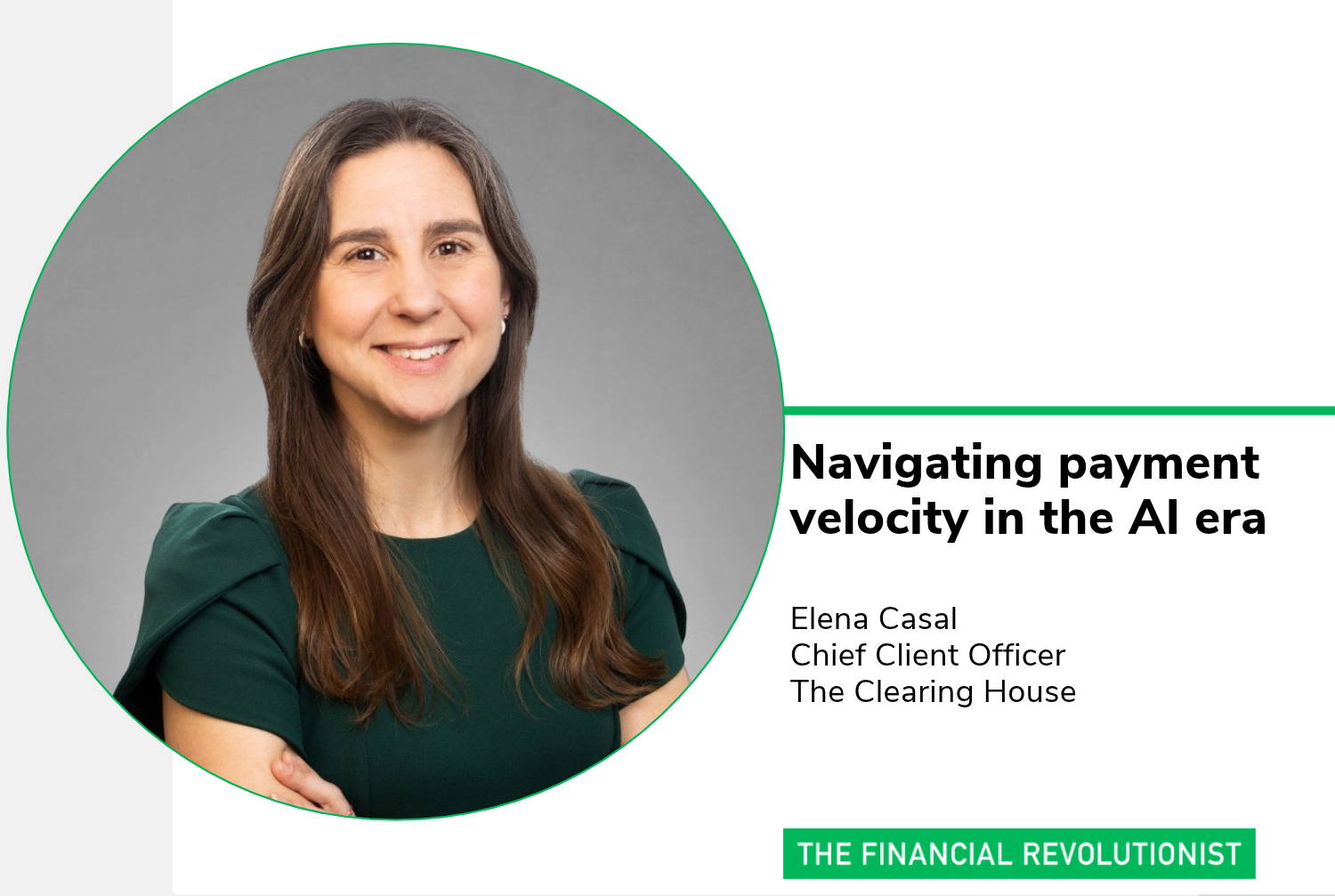
Read MoreThe Clearing House’s Elena Casal discusses how banks can expand instant payments, prepare for AI agents and bring tokenized deposits into commercial use.
Read MoreMatt Ober examines why faster growth needs to produce advantages competitors can’t easily replicate.
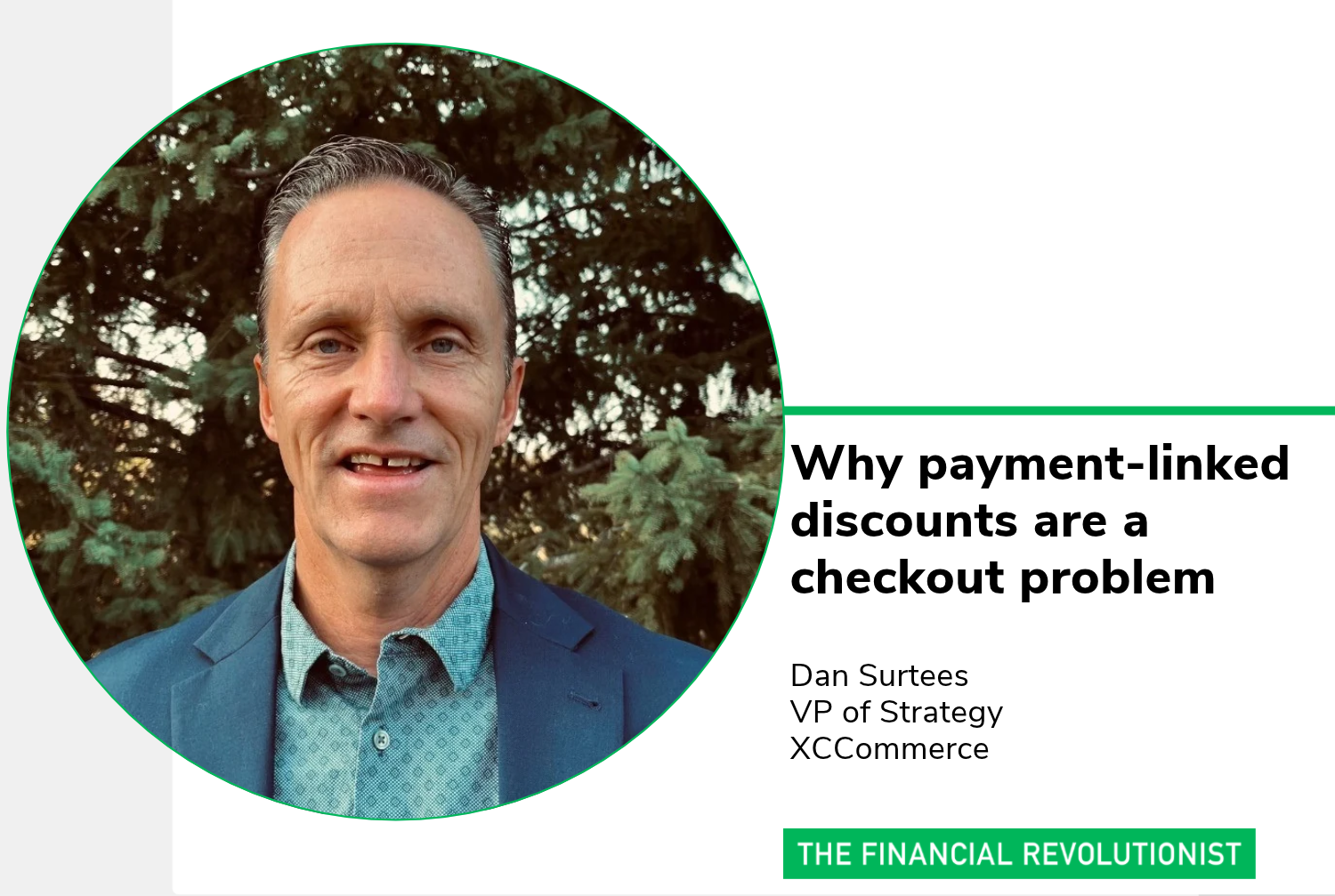
Read MoreDan Surtees examines why payment-linked offers are making accurate pricing a challenge for payments infrastructure.
Read MoreIcon Solutions’ Tamsin Crossland examines how banks’ technology choices shape the cost of scaling AI.
Read MoreAmerican Banker’s Holly Sraeel explains why holding the account no longer guarantees banks the small business relationship.
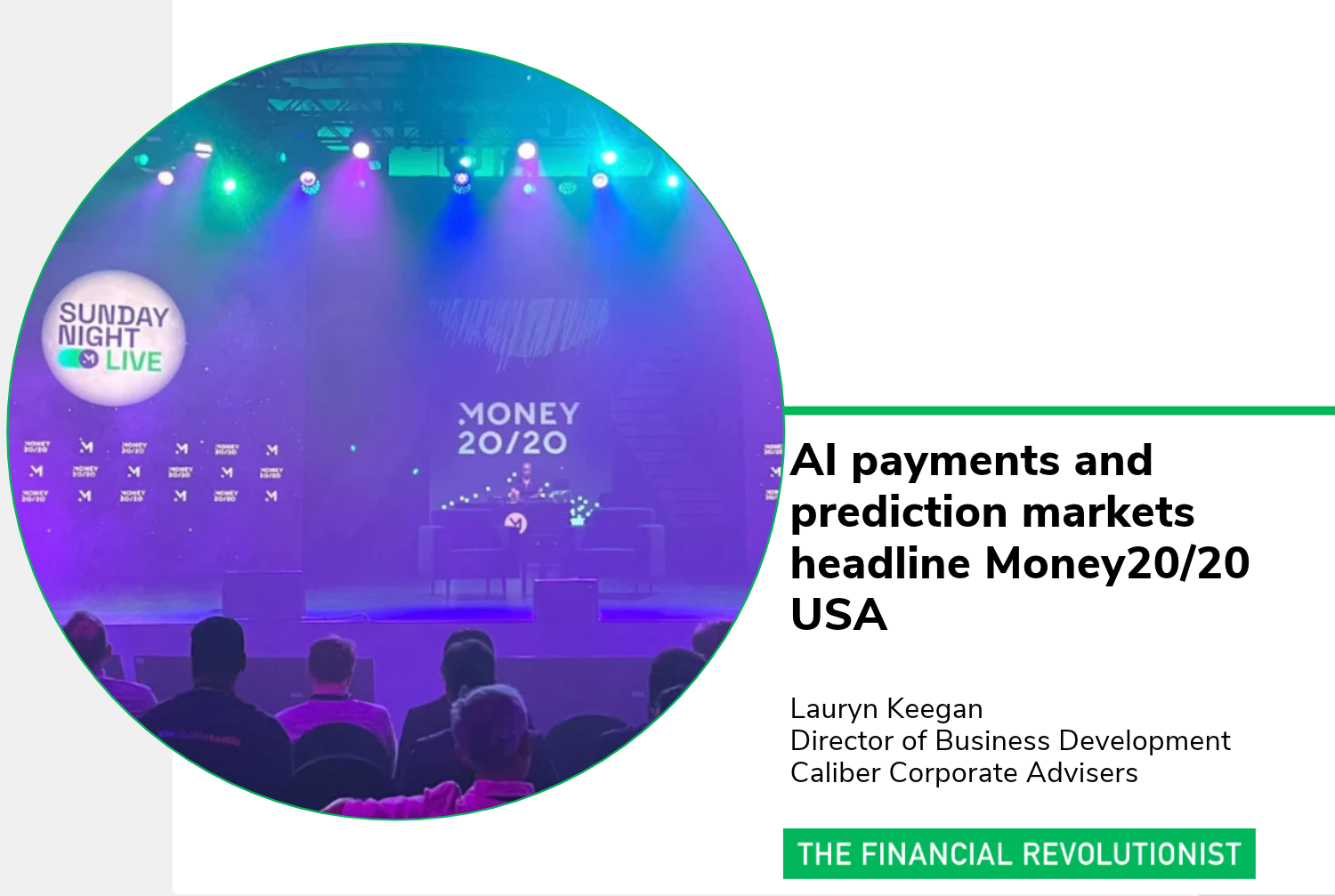
Read MoreCaliber Corporate Advisers’ Lauryn Keegan examines eight themes shaping the Money20/20 agenda, from agentic payments and digital assets to fraud and regulation.
Read MoreVolante’s Maharaja Subramanian examines some core use cases for stablecoins.
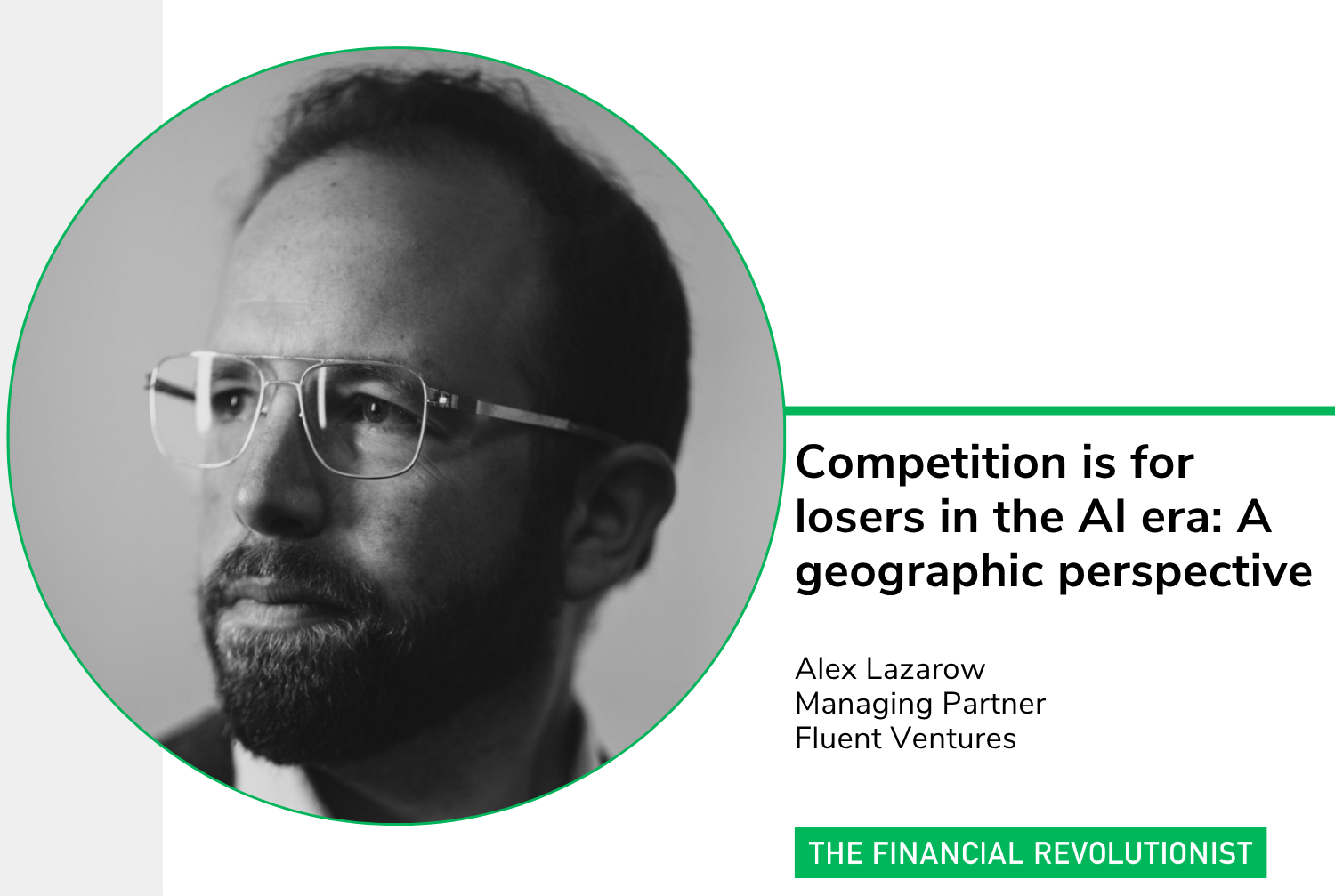
Read MoreAlex Lazarow of Fluent Ventures explains how AI could help fintech startups outside the U.S. capitalize on less competition and expand into more financial products.
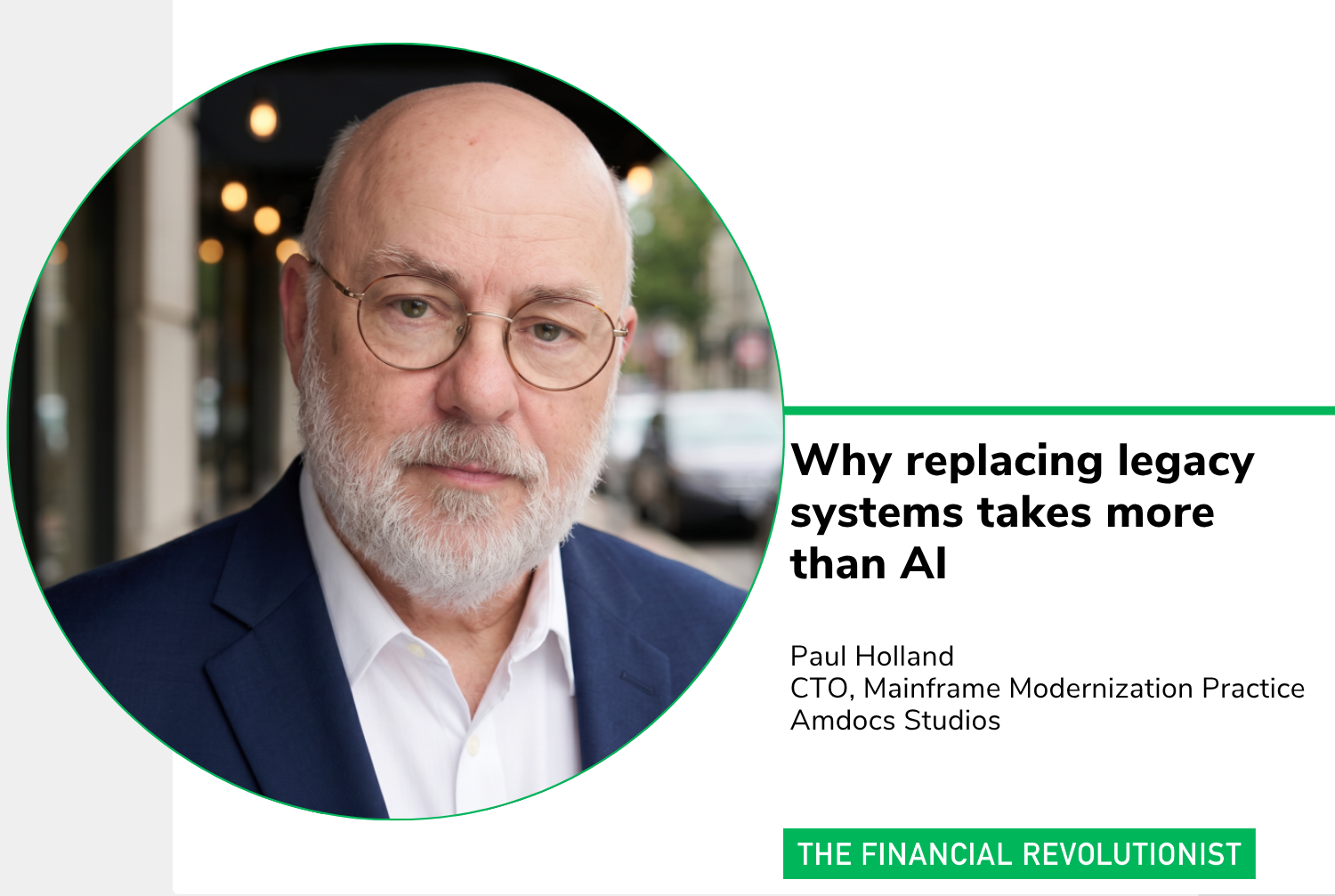
Read MorePaul Holland of Amdocs Studios’ mainframe modernization practice, shares AI’s potential and limitations in updating banks’ legacy systems.
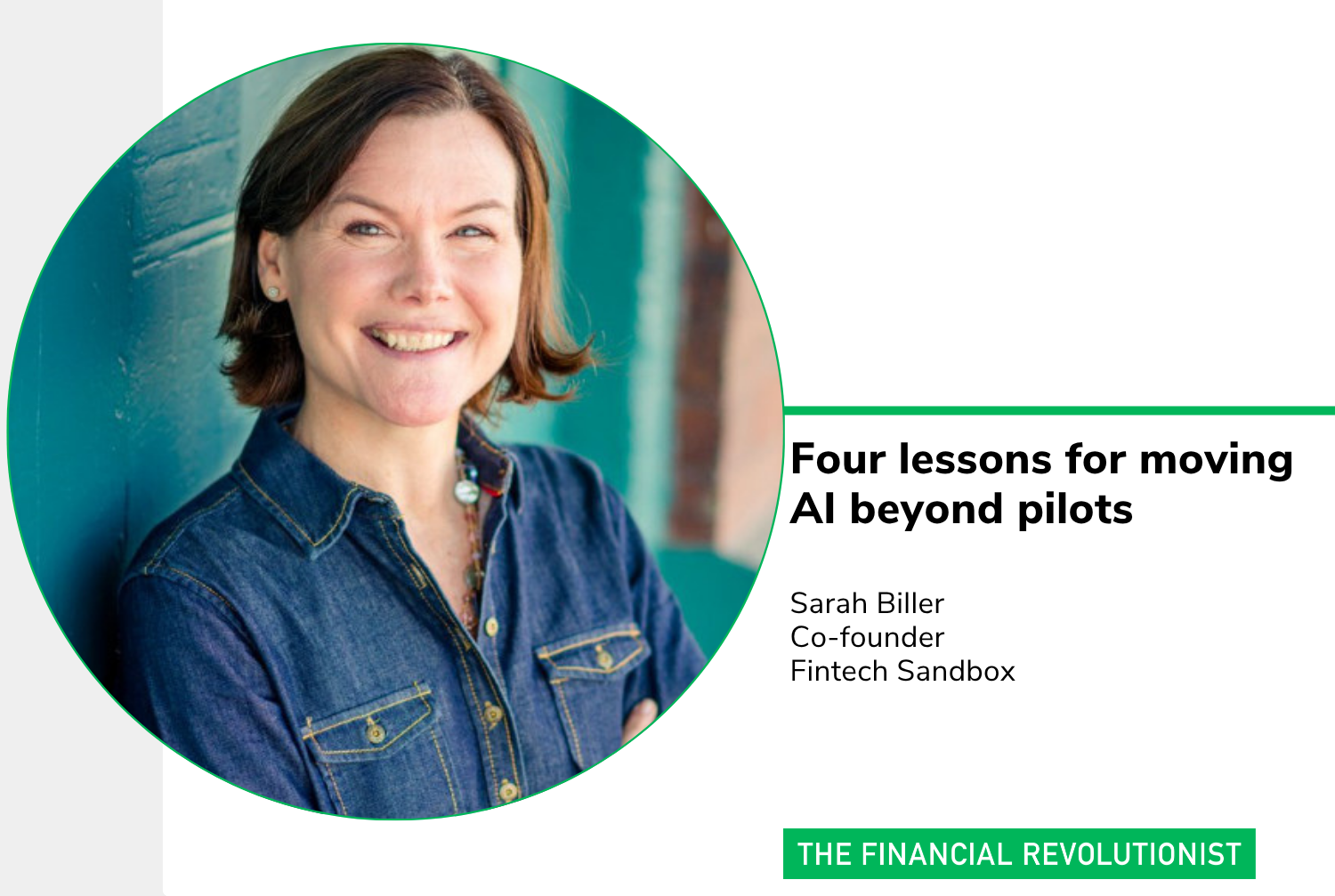
Read MoreFinancial institutions are experimenting widely with AI, but relatively few applications have moved into production. Fintech Sandbox co-founder Sarah Biller shares four lessons from a FinovateFall discussion about turning AI pilots into measurable business results.
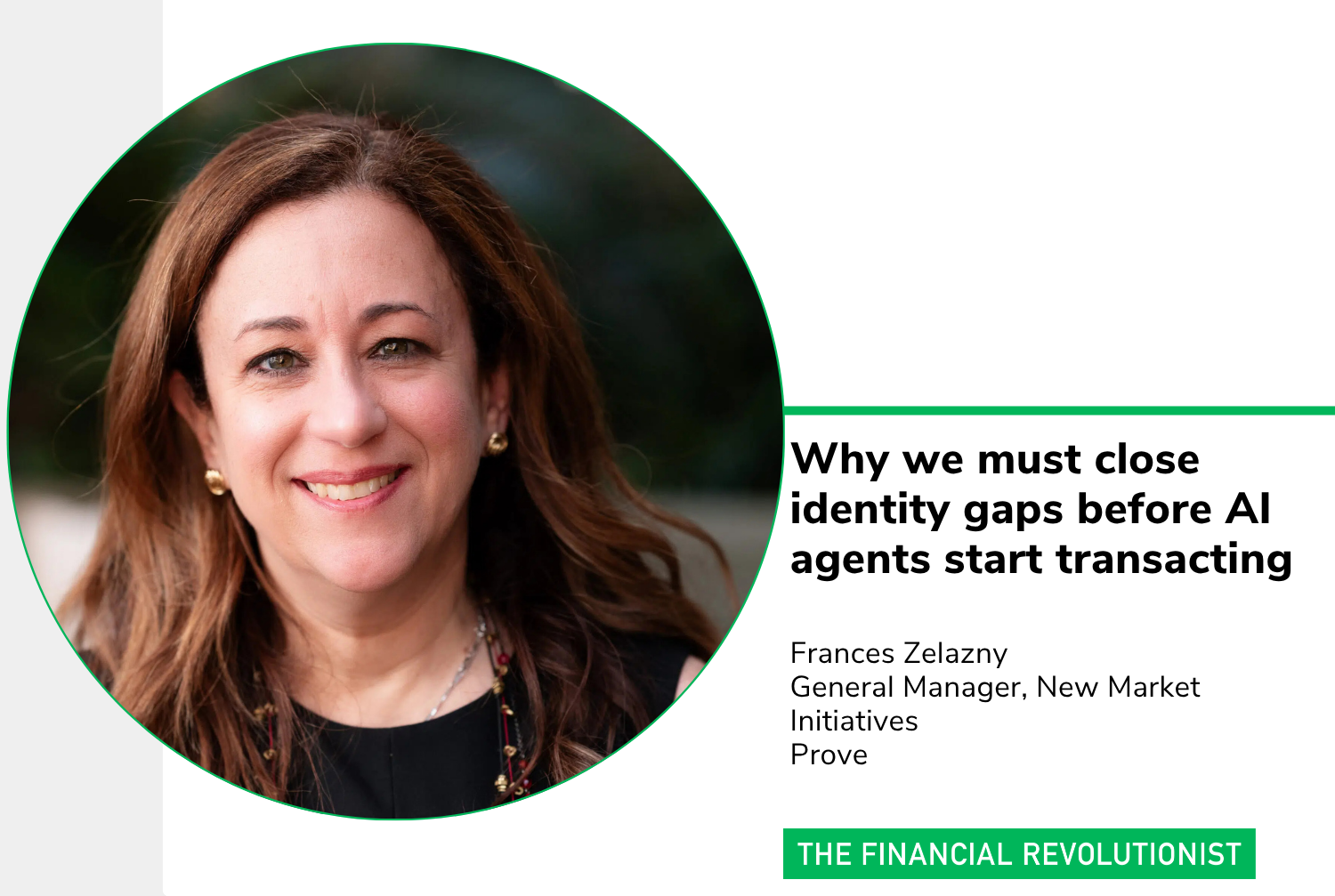
Read MoreProve’s Frances Zelazny argues that identity must remain verifiable from enrollment through account recovery as AI agents gain the authority to act on users’ behalf.
Read MoreCap’s Benjamin Sarquis Peillard argues that putting private credit on-chain won’t fix bad underwriting unless the people making lending decisions have their own capital at risk.
Read MoreDealMaker's Rebecca Kacaba looks at how accredited investor rules determine who gets access to investment opportunities.
Read MoreThe Financial Revolutionist is weekly newsletter and blog focused on the torrid pace of financial innovation. Today, thanks to the exponential rate of technological change, explosion in global trade and new regulations ushered in by the Great Financial Crisis, a new financial revolution is under way. In this battle, virtually every aspect of the greater financial services sector is subject to rigorous challenge. With the Financial Revolutionist, we are aspiring to create a boots-on-the-ground and highly opinionated assessment of important financial innovation developments in the past week.