The economic forces behind insurance affordability
/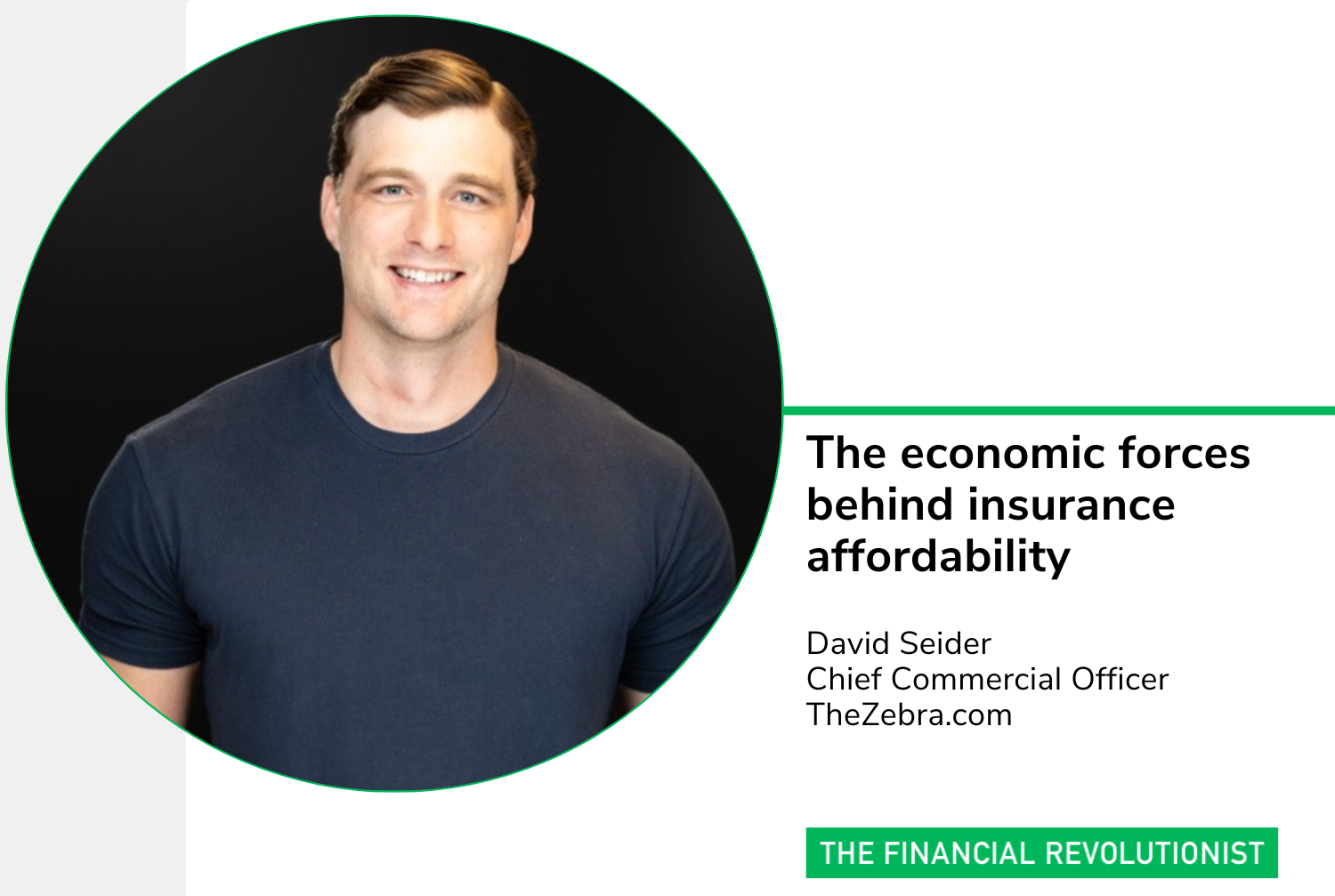
David Seider of TheZebra.com explains how insurance pricing is fragmenting along geographic lines.
Read MoreDavid Seider of TheZebra.com explains how insurance pricing is fragmenting along geographic lines.
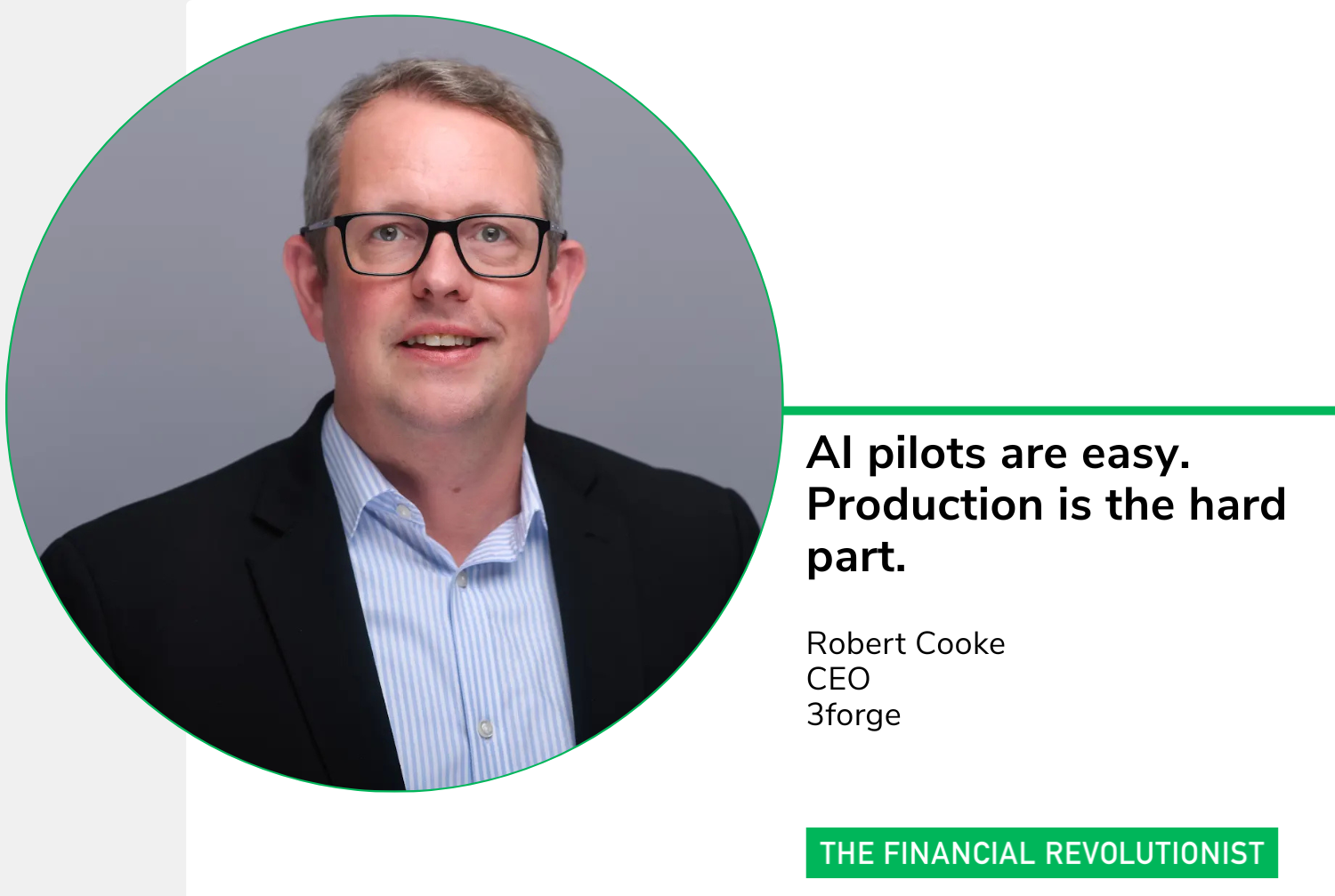
Read MoreRobert Cooke of 3forge explains why banks are rethinking their technology foundations as AI pilots come up against the complexity of existing systems.
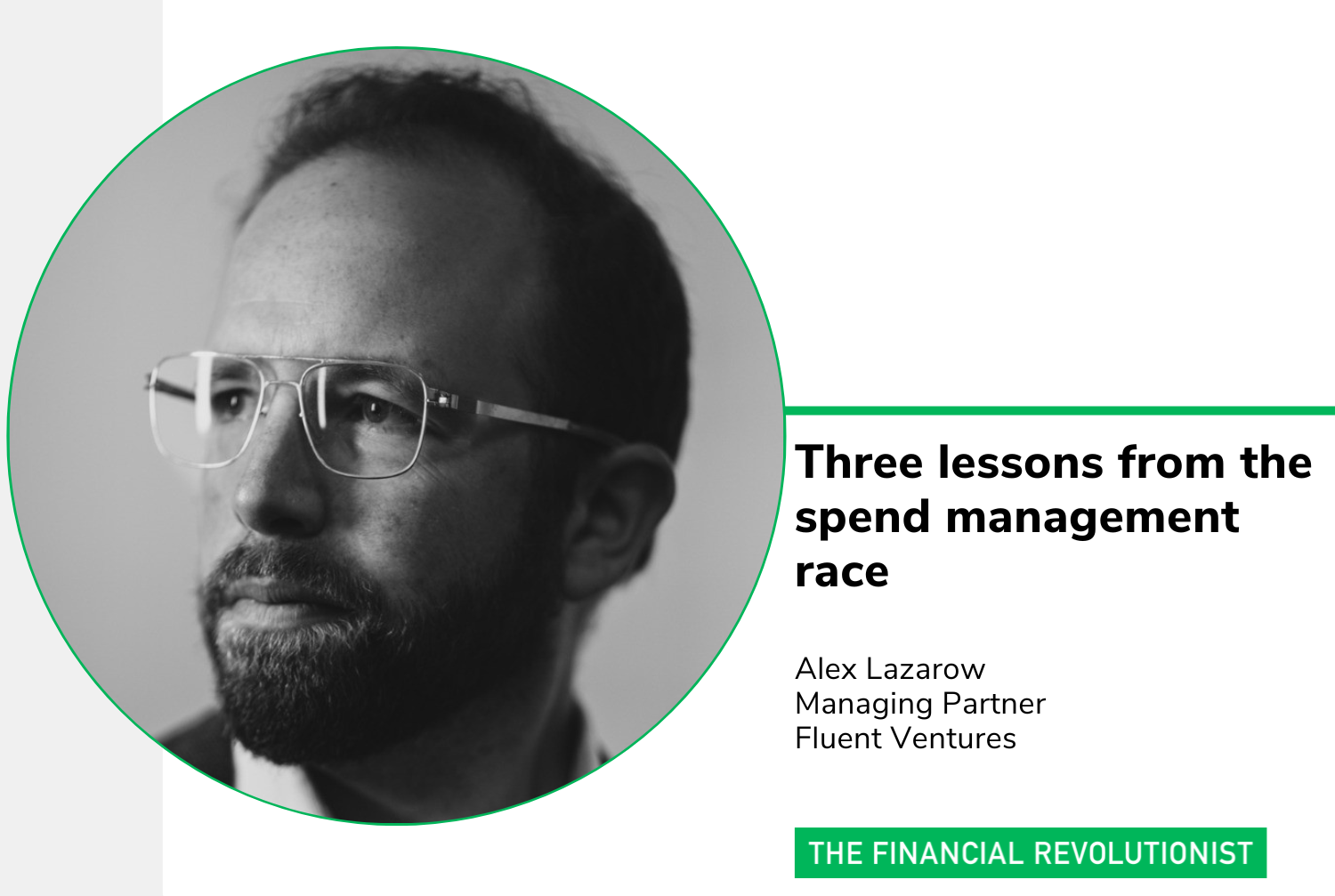
Read MoreAlex Lazarow of Fluent Ventures examines the playbook behind the corporate spend management race and argues that the winners will be those who move beyond cards to control more of a company’s financial workflows.
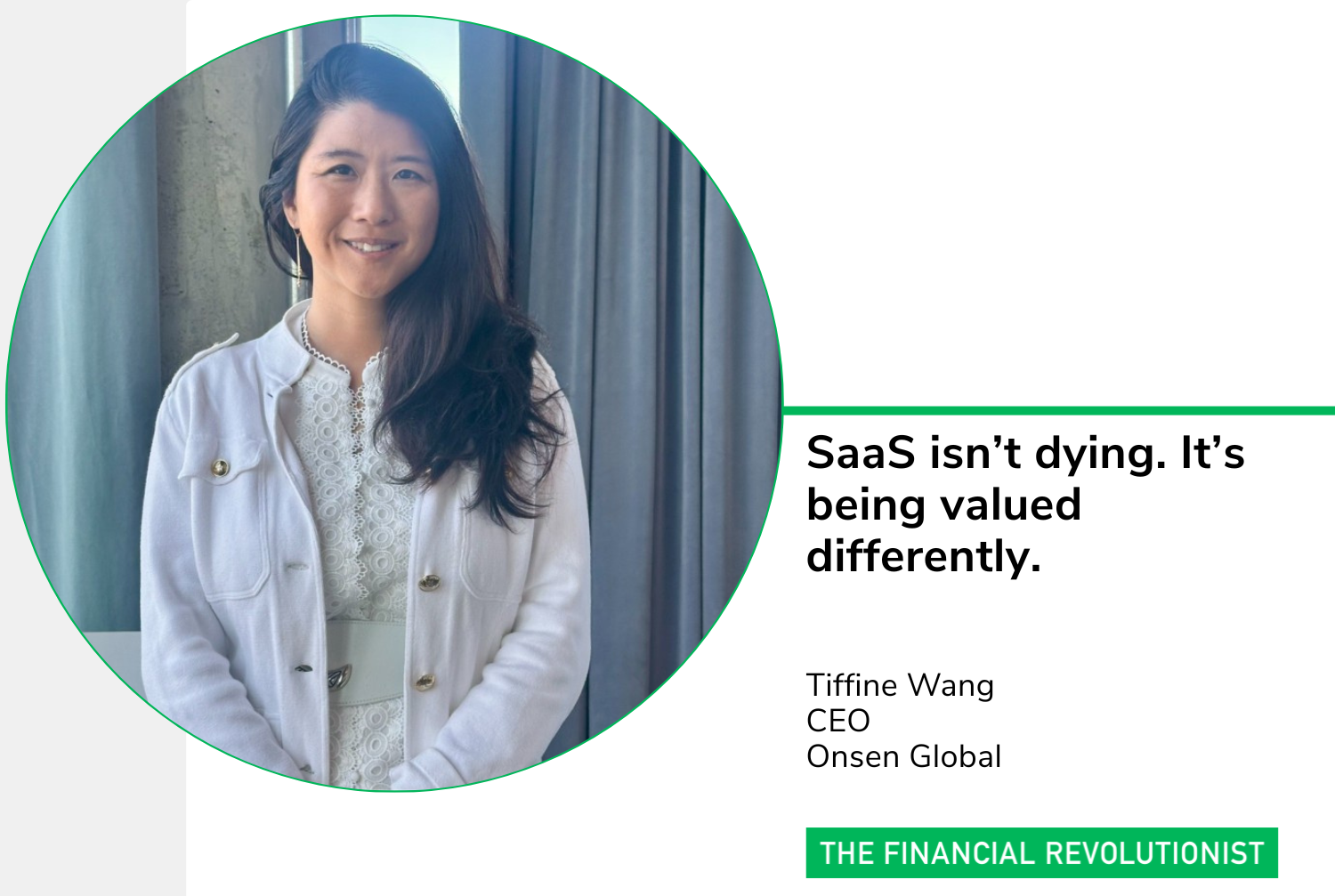
Read MoreTiffine Wang of Onsen Global argues that the so-called SaaSpocalypse is a repricing, as software shifts from per-seat subscriptions to output that competes with labor.
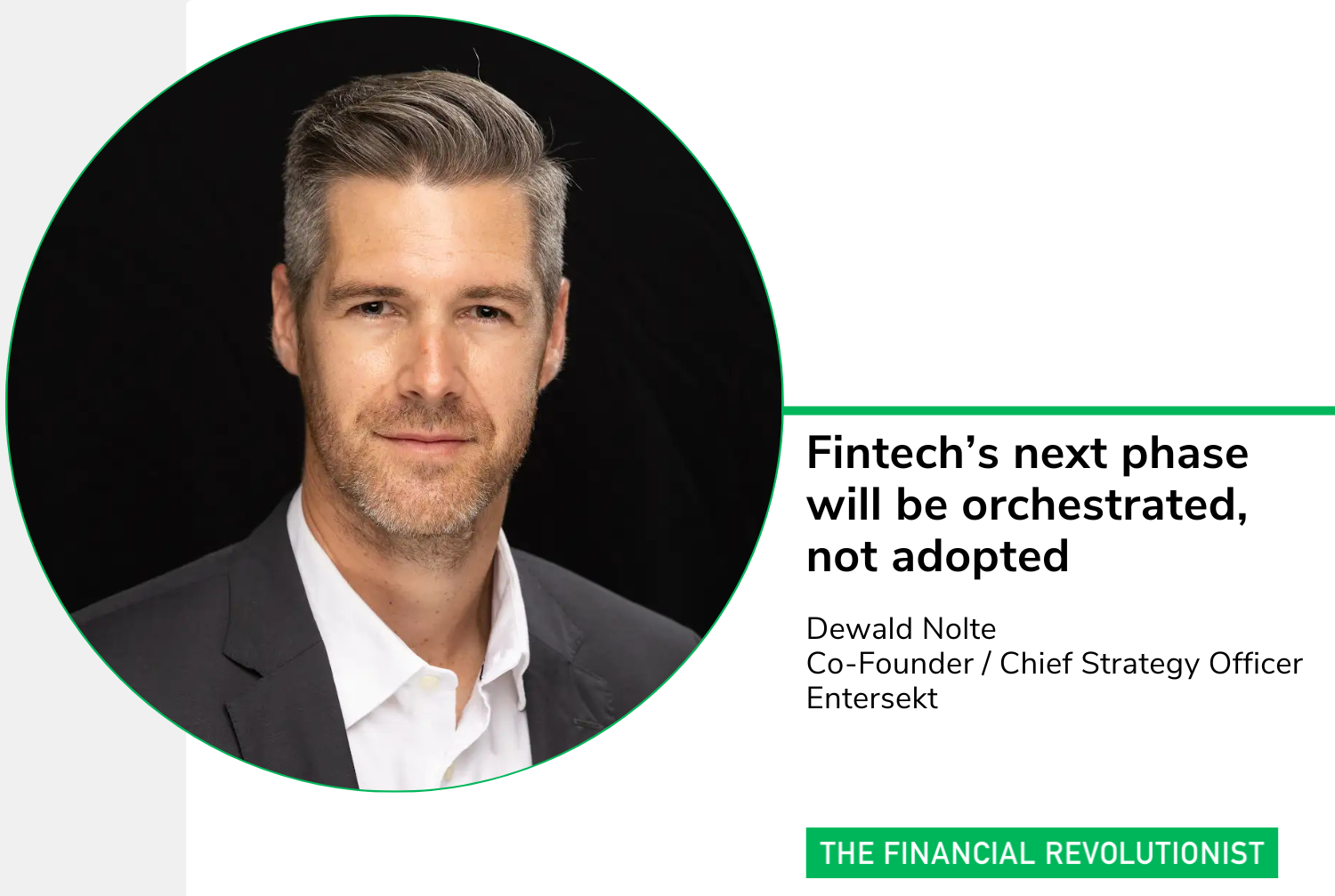
Read MoreDewald Nolte of Entersekt argues that programmable money is becoming the foundation of modern finance, reshaping digital wallets, tokenized deposits and AI agents in fintech’s next phase.
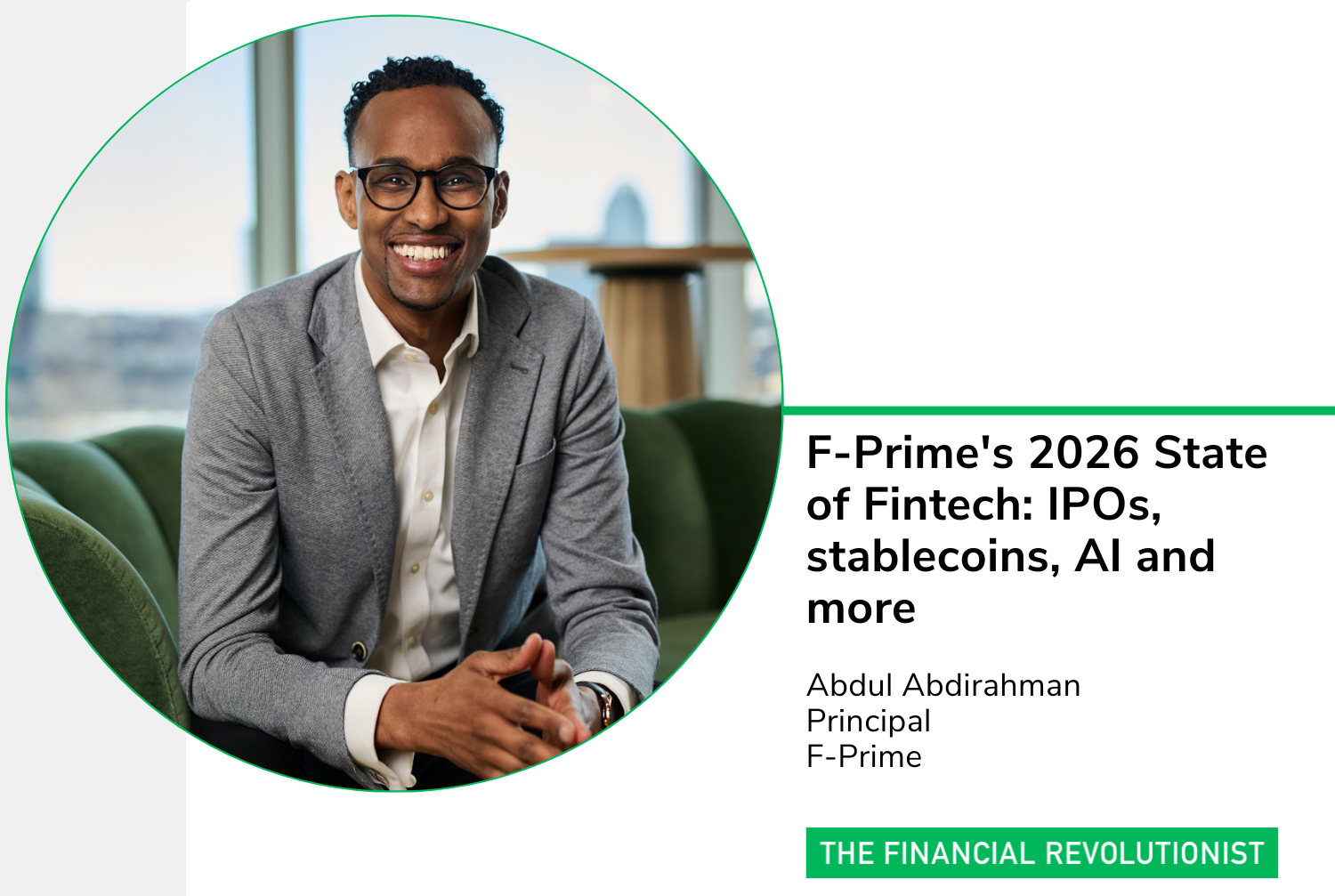
Read MoreFintech has found a new baseline at $45–50 billion annually, new giants have emerged, and crypto earned a seat at the table. F-Prime’s Abdul Abdirahman examines the broader trends.
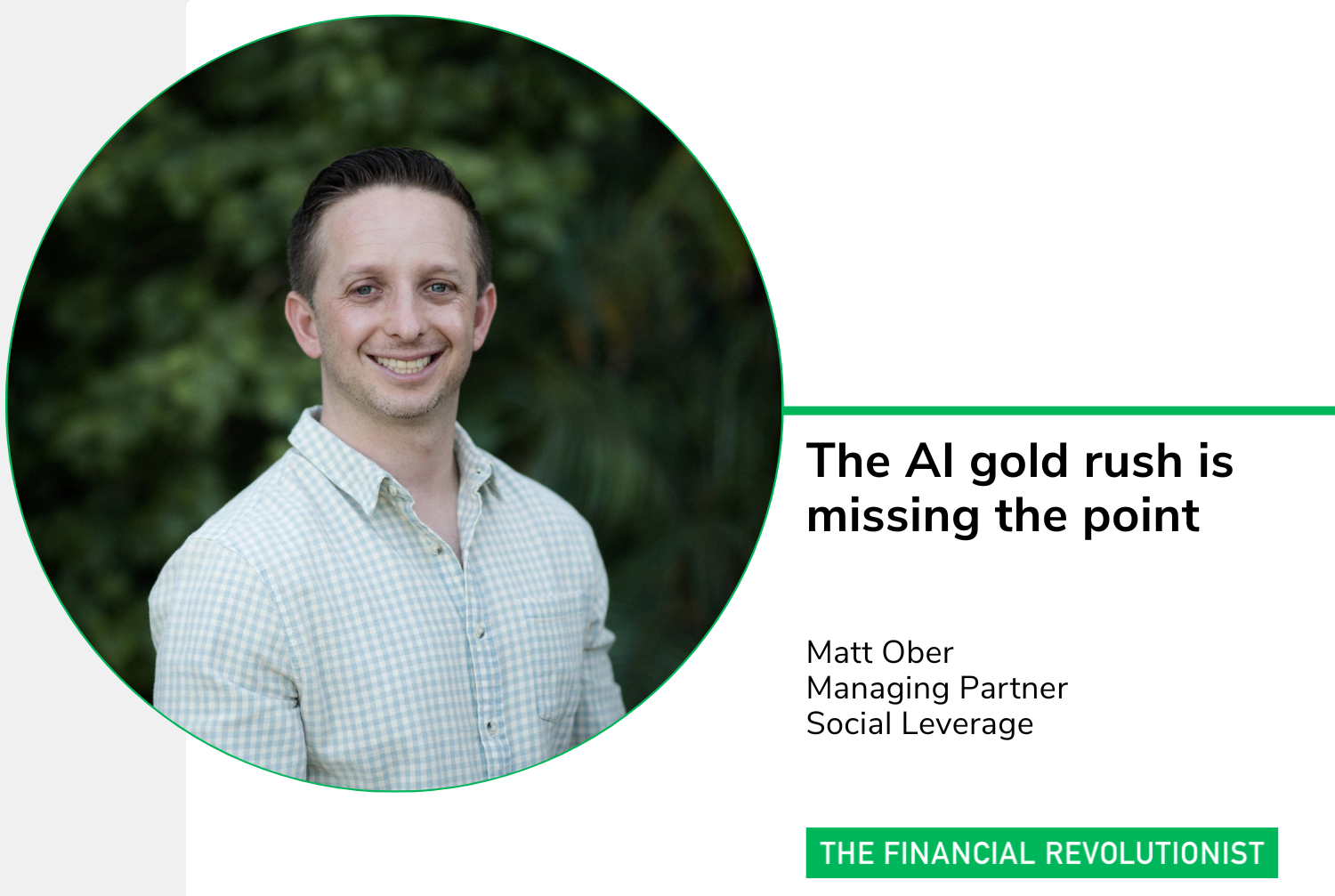
Read MoreMatt Ober of Social Leverage argues that in the rush to fund “AI everything,” distribution, capital structure and revenue still matter more than being AI-native.
Read MorePatricia Montesi, co-founder and CEO of Qolo, argues that outdated core systems pose a far greater risk to banks than stablecoins.
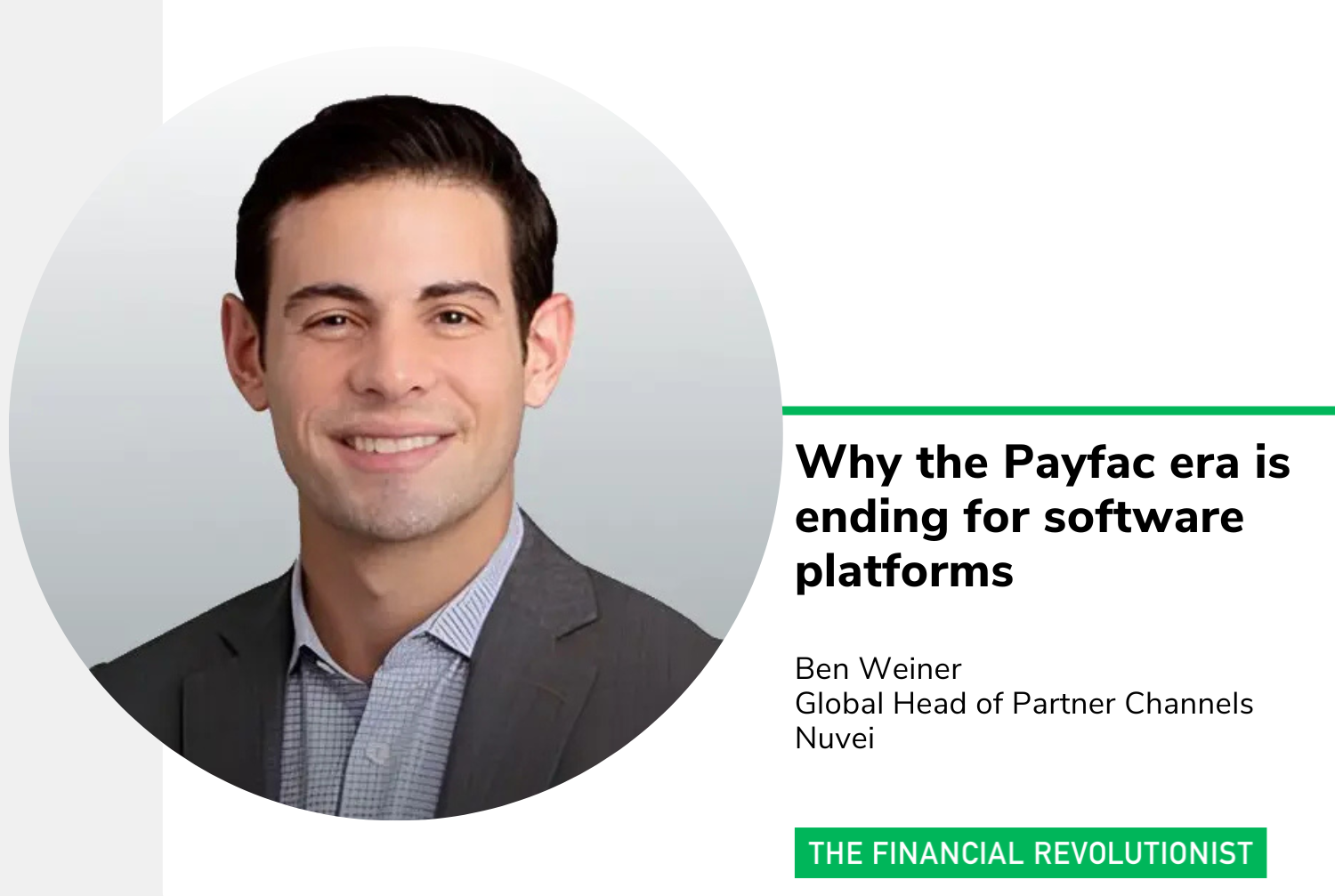
Read MoreAs embedded payments mature, the Payfac model is becoming more of a constraint than an advantage, writes Ben Weiner of Nuvei.
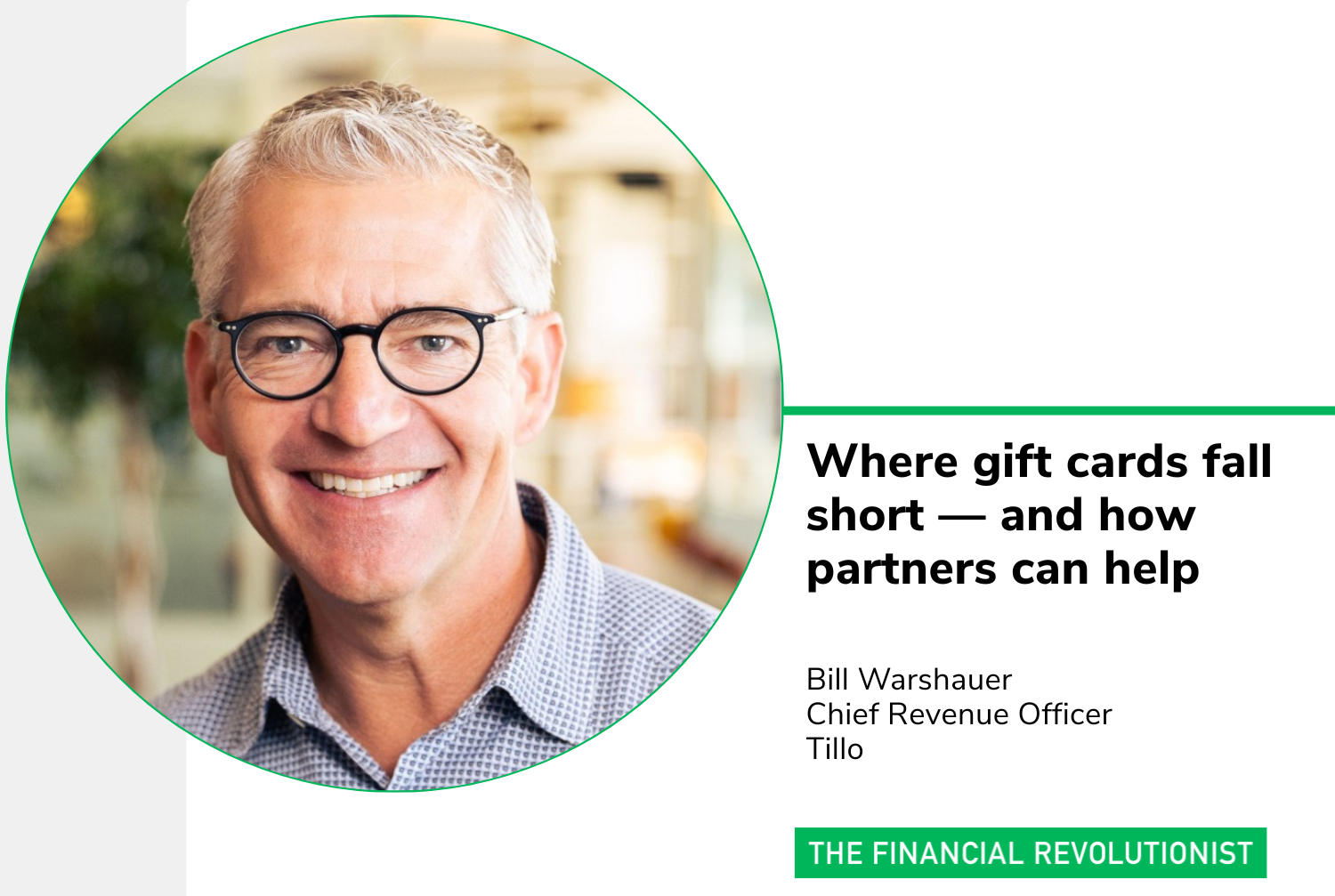
Read MoreBill Warshauer of Tillo examines why gift cards still frustrate customers, and how better technology and coordination could fix the experience.
Read MoreThe Zebra’s David Seider outlines how pricing pressure, competition and technology investments will shape the insurance landscape in 2026.
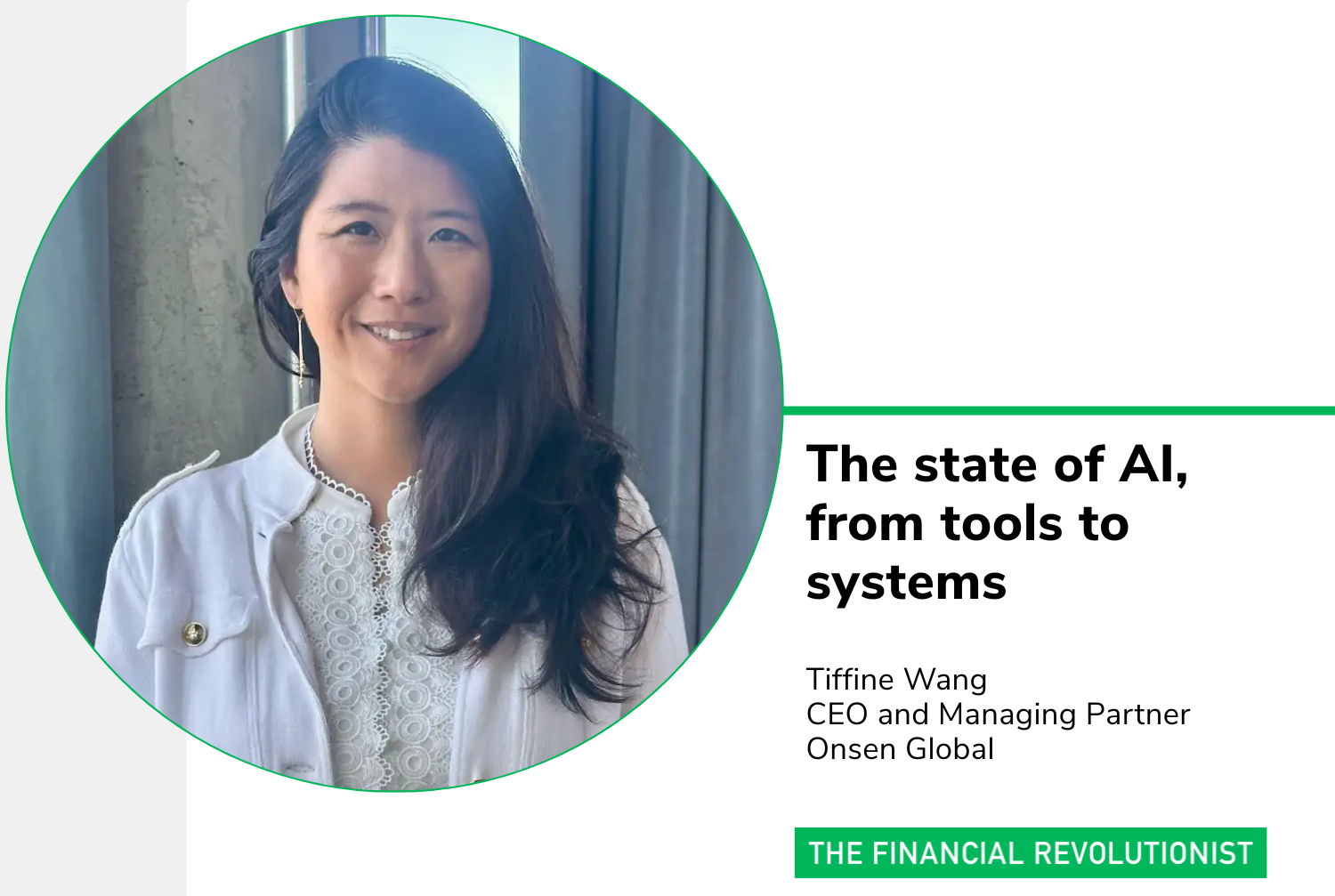
Read MoreOnsen Global’s Tiffine Wang argues that AI’s move into production is forcing companies to design for trust, not experimentation.
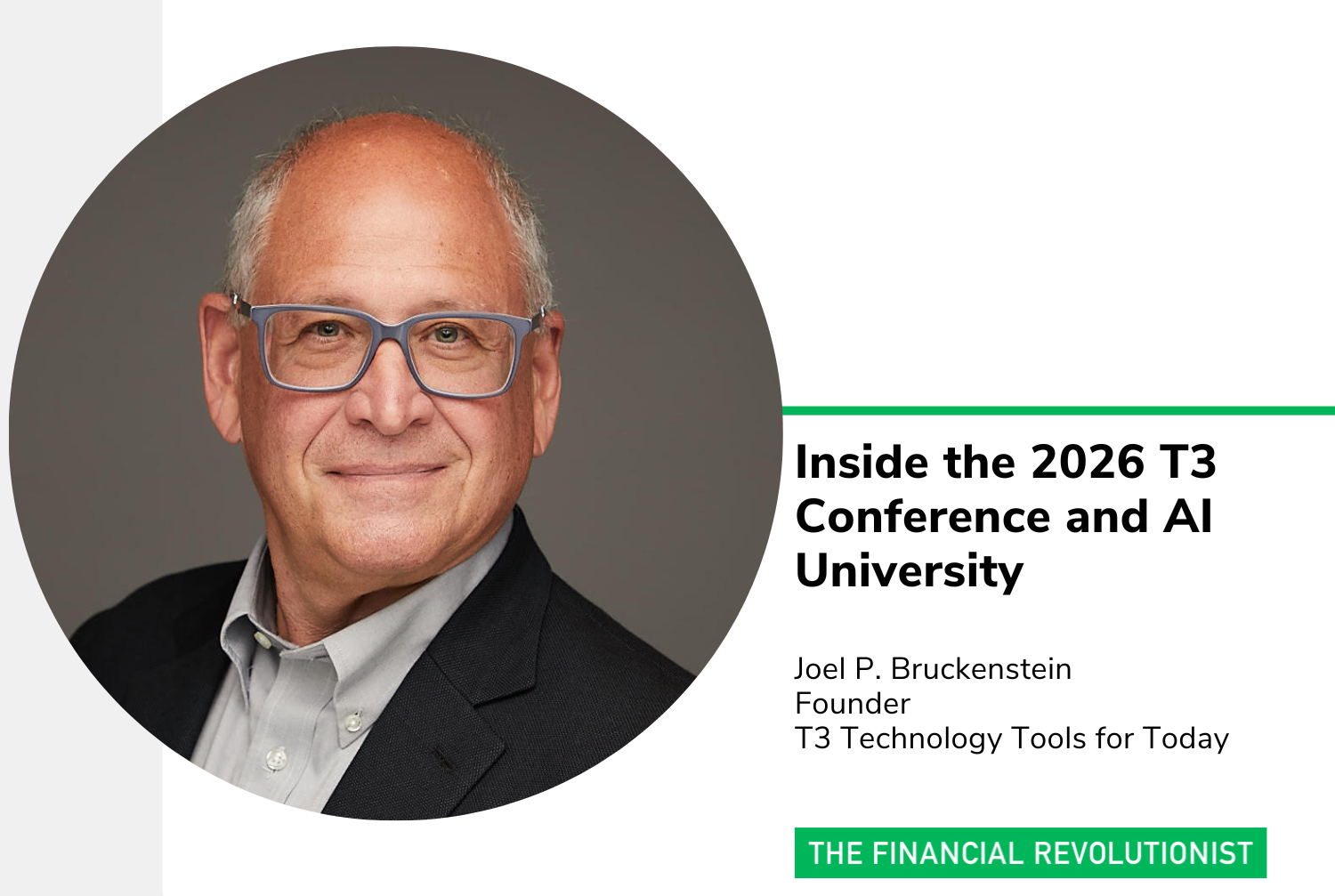
Read MoreFR editors spoke with T3 founder Joel P. Bruckenstein on why T3 2026 is putting applied AI at the center of advisor technology.
Read MoreMatt Ober of Social Leverage writes that markets are becoming data-native as finance, consumer culture and AI converge around richer, more valuable data.
Read MoreWith the 2025 event in New York fast approaching (Nov. 4–5), The FR caught up with Chief Client Officer Elena Casal to discuss the key themes shaping this year’s agenda.
Read MoreThe Financial Revolutionist is weekly newsletter and blog focused on the torrid pace of financial innovation. Today, thanks to the exponential rate of technological change, explosion in global trade and new regulations ushered in by the Great Financial Crisis, a new financial revolution is under way. In this battle, virtually every aspect of the greater financial services sector is subject to rigorous challenge. With the Financial Revolutionist, we are aspiring to create a boots-on-the-ground and highly opinionated assessment of important financial innovation developments in the past week.