VCs are taking too long to say no
/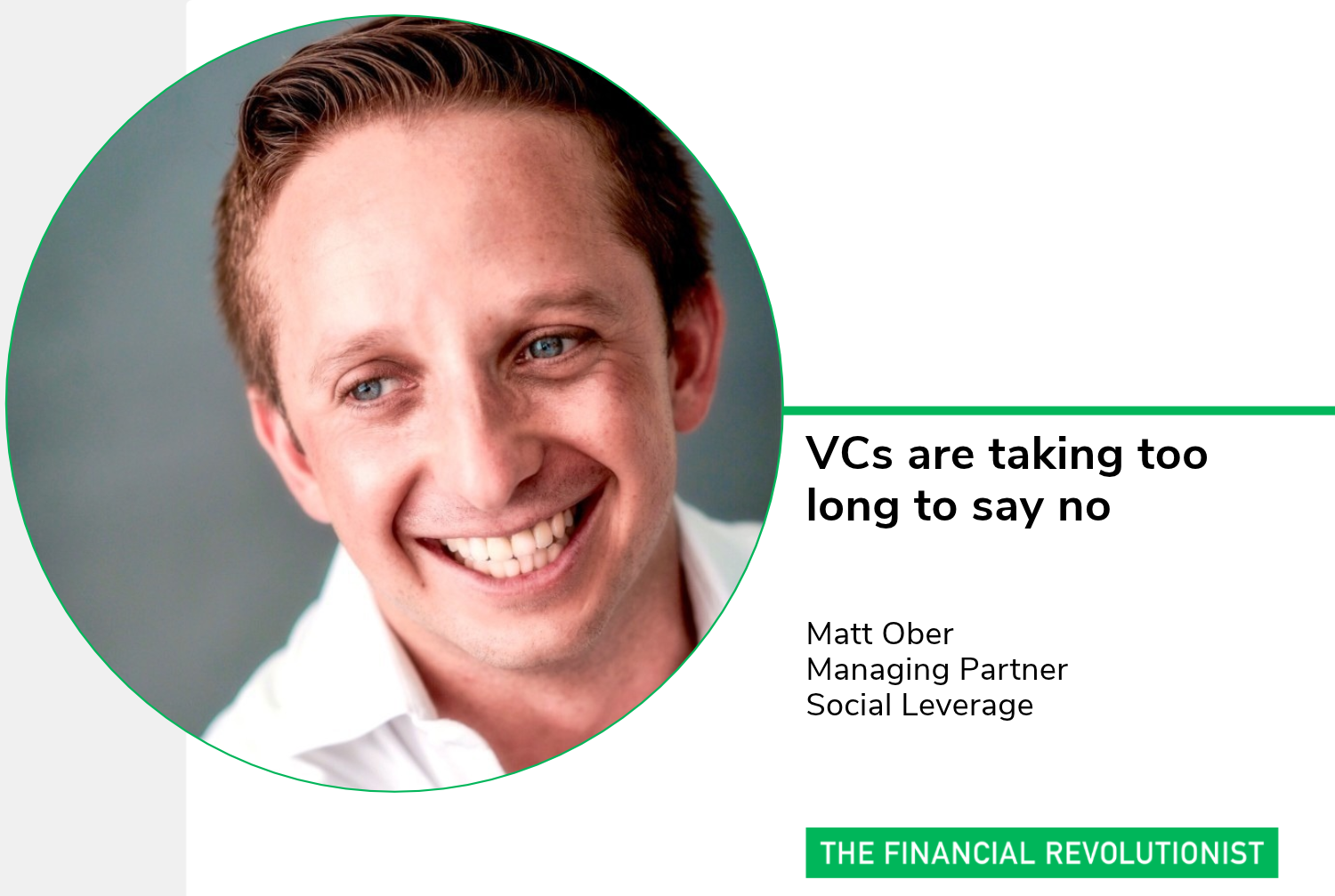
Matt Ober is a managing partner at Social Leverage. Matt was most recently the chief data scientist at Third Point, where he built the data analytics and technology platform used to enhance the firm’s investment capabilities in equity, structured credit, venture capital and cryptocurrency.
The midterm elections have ushered in a political climate that could change the outlook for startups and their investors. For founders raising capital, a changing policy environment adds to an already uncertain market. Let’s dig in.
Political changes and surprises, unless you follow the prediction markets, are now prompting the following questions:
Are data centers on pause?
What happens to AI growth?
What happens to all these companies that raised all this money with an AI story?
Are tokens going to become more expensive?
Does the regulatory environment change for AI? For fintech? For crypto? For all things financial services?
The market is looking at what now, what’s next, and whether this is just a small correction or the start of much a bigger change.
I think we see more volatility. Unfortunately, for fintech investors, there may be more regulation, or just less speed of new products. Do licenses get harder to obtain? What does this mean for perps, tokenization, stablecoins, crypto, agentic commerce and everything in between?
One thing that will be interesting to follow is how this changes the VC and private markets. Do we still see massive and crowded funding rounds, or do we start to see some more normalcy around growth expectations?
When diligence becomes a search for reasons to say no
At the same time, I am finding more and more that some VCs are doing so much diligence that they are just digging for reasons to say no.
At the seed stage and pre-seed stage, there is only so much diligence, back and forth, debating, pontificating, and lunches/dinners/coffees you can do with a founder. Eventually you just have to go with your gut. Good investors know in the first meeting if they like the idea and the founder. Diligence is necessary. Dig into assumptions, forecasts, talk to people that know the founder, talk to investors in the deal or who invested in the founder in the past, but eventually either say Yes or No.
The worst is the VC who goes quiet, cold, or ghosts. Never closes the loop. Never gives any real reason or feedback. Your brand and your perception in the market are everything. Founders talk. End it one way or the other. There is really no excuse in the era of AI. Have your agent scan your inbox and say no politely to investing in anything you haven’t responded to in weeks. If you don’t wake up thinking about the new deal and opportunity, then it’s probably not a deal for you.
I am seeing VCs hunting for a reason to say no. Dragging early-stage diligence on for weeks or months. If this is your process, so be it. But eventually founders are going find other investors with conviction that let them get back to building and that ultimately don’t waste their time. The flip side is if these funds get to conviction after months of diligence and then the founder says, actually, this process with you has sucked, and I am going another direction. Now you, as an investor, wasted your time. The cap table and the board dynamics are so key to founder success. We have to remember founders are picking investors just like investors are picking founders.
All that being said, investors seem gun-shy right now because AI and mega funds are crowding and piling money into fewer deals. The non-consensus investors are dwindling. Social Leverage is continuing to do what we do best. Work with the best founders, provide feedback one way or another, and follow our conviction. We do deals with others or by ourselves, but we roll up our sleeves and dig in daily. The markets are volatile, but the best thing about early-stage investing is that we can think 10 years out and not have to deal with the ups and downs of the market. I lived the hedge fund life for 10 years, so as much as I look at it every day still, at least it doesn’t directly change a startup day-to-day.
The political climate will shift, and the rules for fintech and AI may change with it. We’ll be watching closely, but we can’t wait for every question to be answered before backing founders. Our job is to understand the risks, form a view and have the conviction to make a decision.